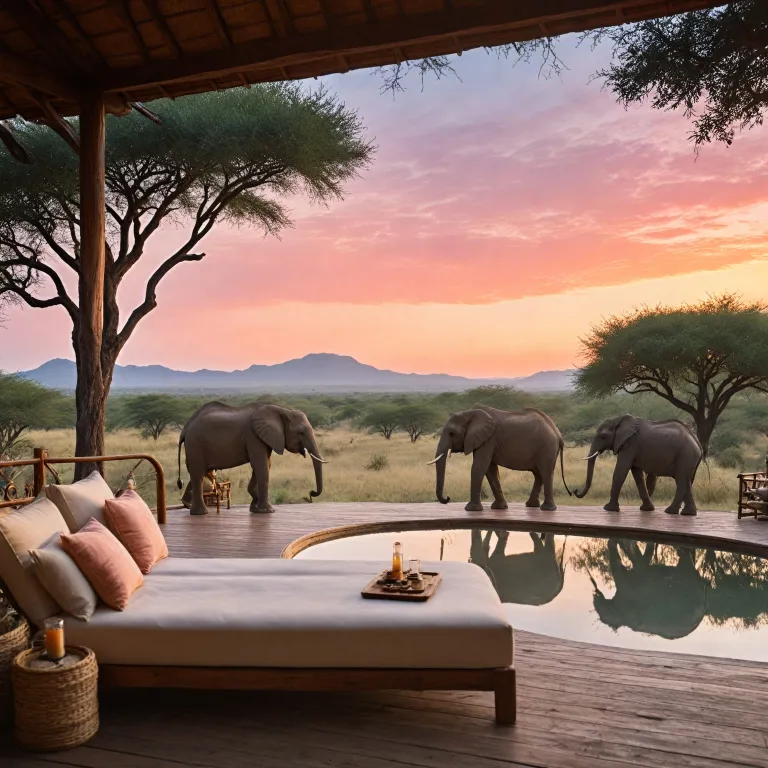
How seasons shape when is the best time to go to South Africa
Understanding when is the best time to go to South Africa starts with its geography. Stretching across southern Africa, the country spans multiple climate zones that influence every safari, coastal escape, and city break. For a traveler based in South Africa looking to book a hotel, this seasonal nuance directly affects value, comfort, and availability.
South Africa offers a genuinely year round appeal, yet each season changes how you experience south and africa in very practical ways. The dry season from May to September is widely regarded as the best time for safari south of the equator, because vegetation thins and wildlife clusters around water sources. In contrast, the summer months from November to March bring hotter temperatures, afternoon storms in the interior, and a more humid atmosphere along the eastern coastline of Africa south of the Drakensberg.
When you plan a visit south of Johannesburg or Cape Town, think in terms of regions rather than a single national pattern. The western Cape, including cape town and the nearby winelands, follows a Mediterranean style season with wet winters and dry summers, which is the opposite of the Kruger and KwaZulu Natal patterns. This means the best time to go to South Africa for a combined cape town and kruger national itinerary often involves trade offs between beach weather and optimal game viewing.
Luxury and premium hotel booking in South Africa therefore hinges on aligning your preferred weather with your chosen region. If you prioritise an african safari in Kruger National Park, the dry season is usually the best time, while a summer stay in cape town might suit travellers who value long days, outdoor dining, and cultural festivals. Clarifying which experience matters most will help you decide exactly when is the best time to go to South Africa for your own style of travel.
Choosing the best time for safari South Africa and wildlife focused stays
For many travellers, when is the best time to go to South Africa is really a question about safari and wildlife. In the north east, Kruger National Park and its surrounding private game reserve properties offer some of the continent’s most reliable game viewing. Here, the dry season from May to September is widely considered the best time to visit South Africa for an africa safari focused itinerary.
During this dry season, vegetation is sparse, waterholes shrink, and wildlife congregates in predictable patterns that enhance game viewing. Daytime temperatures are mild, nights can be cool, and the risk of rain disrupting drives is lower, which matters when you are paying premium rates at a luxury lodge. The South African Tourism Board notes that “The dry season from May to September is ideal for safaris due to better wildlife visibility.”
In the wetter summer season, from roughly November to March, Kruger and other national park areas become lush and green. This is a beautiful time to visit south and east Africa south of the Lowveld, with dramatic skies and abundant birdlife, but taller grasses can make wildlife harder to spot. Afternoon storms may shorten game drives, yet some travellers appreciate the quieter lodges, lower rates, and more flexible booking conditions during these months.
KwaZulu Natal offers a slightly different pattern, with its coastal humidity and warmer winter days making it attractive almost any month of the year. In this region, combining a game reserve stay with an Indian Ocean beach resort can work well in both the dry and wet season, though June to August often brings especially pleasant weather. When you evaluate the best time to go to South Africa for safari south of the Limpopo, consider whether you value peak wildlife visibility, lower prices, or a balance between the two.
Timing cape town, the western Cape, and the garden route for premium stays
When travellers ask when is the best time to go to South Africa for coastal luxury, cape town and the western Cape dominate the conversation. This region experiences a Mediterranean climate, with cool, wet winters and warm, dry summers that contrast sharply with the interior’s patterns. As a result, the best time to visit South Africa’s Mother City is often the opposite of the best time for Kruger.
From November through March, cape town enjoys long, sunny days, average summer temperatures around 27 °C, and a lively atmosphere along the Atlantic seaboard. This is the peak season for premium hotels in town and along the nearby garden route, with high demand for sea facing suites and rooftop pools. Travellers should expect higher nightly rates, stricter minimum stay policies, and the need to book well in advance, especially over festive periods and major events.
Outside these summer months, the western Cape shifts into a cooler, wetter season, yet this can still be an excellent time visit cape wine country and coastal towns. From March April into early spring, you will often find softer light, fewer crowds, and more attractive rates at luxury properties. Many south african residents choose this shoulder season as the best time to go to South Africa’s cape region precisely because it balances weather, value, and availability.
The scenic garden route, stretching along the southern africa coastline, is more temperate and can be appealing almost any time of year. However, the period from late summer into autumn often brings particularly stable weather, making it ideal for self drive itineraries that combine golf, whale watching in season, and design led hotels. When planning a visit south from Johannesburg or Durban to this region, align your preferred activities with the likely weather patterns rather than focusing on a single best month.
Aligning luxury hotel bookings with south african seasons and demand
For a traveller based in South Africa, understanding when is the best time to go to South Africa is only half the equation ; the other half is how seasons affect luxury and premium hotel booking. Peak demand in cape town, the garden route, and many coastal towns coincides with the local summer school holidays and major festivals. During this period, the best time to visit South Africa for beach weather is also the most expensive time for accommodation.
In contrast, safari lodges in Kruger National Park and other national park areas often see their strongest demand in the dry season months. This is when game viewing is at its best, and many international guests plan their africa safari around these conditions. For south african travellers, this can mean that prime dates in June, July, and August sell out months in advance, especially at intimate properties in private game reserve concessions.
To secure the best time visit options at premium hotels, consider booking shoulder season dates. Periods such as March April or late September can offer a compelling balance of favourable weather, thinner crowds, and more flexible cancellation policies. In cape town and the western Cape, this might mean slightly cooler evenings but easier access to sought after restaurants, wine estates, and spa appointments.
Luxury travellers should also pay attention to minimum stay requirements, which often tighten during peak season in both city and safari south destinations. Some properties in africa south of the Limpopo offer added value during quieter months, such as complimentary spa treatments or private transfers. By aligning your dates with both the natural season and the hotel’s demand cycle, you can turn the question of when is the best time to go to South Africa into a strategic advantage.
Weather, temperatures, and regional nuances across South Africa
Weather is central to deciding when is the best time to go to South Africa, especially if you are comparing multiple regions in a single itinerary. In the interior highveld, including Johannesburg and Pretoria, winters are dry and sunny with average daytime temperatures around 16 °C. Summers bring higher temperatures, afternoon thunderstorms, and lush landscapes that contrast with the crisp clarity of the dry season.
Along the cape town coastline, the pattern reverses, with winter rain and cool winds from the Atlantic shaping the season. Summer months offer stable weather, long days, and ideal conditions for outdoor dining, rooftop pools, and vineyard visits in the western Cape. Travellers planning to visit south and east coasts, including KwaZulu Natal, will find warmer sea temperatures and higher humidity, particularly from November to March.
In Kruger National Park and surrounding africa safari regions, annual rainfall averages around 500 mm, mostly concentrated in the summer wet season. This brings dramatic skies, vibrant greenery, and excellent birding, but it can also mean muddy tracks and reduced visibility in tall grasses. Many travellers therefore choose the dry season as the best time to visit South Africa for game viewing, accepting cooler mornings in exchange for clearer sightings.
Specific months such as September and March April often stand out as transitional periods with appealing weather across multiple regions. September in particular can be an excellent time visit both a game reserve and cape town, with warming days in the south and lingering dry conditions in the north east. When evaluating the best time to go to South Africa, consider not only average temperatures but also how humidity, rainfall, and daylight hours will shape your daily rhythm.
Designing multi region itineraries and choosing where to stay
Many south african travellers planning when is the best time to go to South Africa aim to combine multiple regions in one trip. A classic route links cape town, the garden route, and a safari in Kruger National Park or a private game reserve. Because each region has its own best time and season, crafting a seamless itinerary requires careful attention to both weather and hotel availability.
For example, a March April journey can align pleasant cape town conditions with the tail end of the wet season in Kruger, when landscapes are still green but rains are easing. September often offers another sweet spot, with warming days in the western Cape and excellent game viewing in africa south of the Limpopo. During these months, you may also find more choice among premium properties, as demand is slightly lower than in peak summer or mid winter school holidays.
When planning a visit south along the garden route, consider how many days you want to spend in each town and how driving distances fit your style. Luxury travellers often prefer shorter daily drives, allowing time for spa treatments, wine tastings, or guided nature walks. For inspiration on refined coastal stays, you can explore this detailed review of a premium property in Port Elizabeth at experience refined comfort at a Port Elizabeth hotel.
In KwaZulu Natal, combining an indian ocean resort with a nearby africa safari lodge can work well almost any time of year, though winter often brings especially comfortable daytime temperatures. Southern Africa’s diversity means there is rarely a single best time to visit South Africa for every traveller, but there is usually a best time for your specific priorities. By mapping your preferred activities against regional seasons, you can choose hotels that feel perfectly in tune with the landscape and the moment.
Practical booking strategies for South African travellers seeking premium stays
For a traveller based in South Africa, the question of when is the best time to go to South Africa is closely tied to practical booking strategies. Peak periods in cape town, the western Cape, and popular safari south destinations can see premium suites sold out months ahead. During these times, flexible dates and early planning become essential if you want the best time visit options at top tier properties.
Start by deciding whether your priority is weather, price, or exclusivity, because each factor points to a different season. If you want the absolute best time to visit South Africa for game viewing, aim for the dry season in Kruger National Park and other national park areas, accepting higher rates and stricter cancellation terms. If value matters more, consider shoulder months such as March April or late September, when many africa safari lodges and city hotels quietly adjust pricing.
Pay attention to minimum stay requirements, especially in small game reserve lodges and high demand cape town properties during summer. Some south african travellers choose to split their trip, spending fewer days in peak priced destinations and more days in emerging towns along the garden route or in KwaZulu Natal. This approach can stretch your budget without compromising on quality, particularly if you favour properties with strong sustainability credentials and thoughtful service.
Finally, remember that “During peak tourist season (November to March), it's advisable to book well in advance due to high demand.” Staying informed about local festivals, school holidays, and regional events will help you avoid unexpected surges in occupancy. With a clear sense of your priorities and an understanding of how seasons shape demand, you can turn the question of when is the best time to go to South Africa into a refined, confident booking decision.
Key statistics on climate and travel seasons in South Africa
- Average summer temperature in Cape Town is approximately 27 °C, offering warm conditions ideal for beach stays and outdoor dining.
- Average winter temperature in Johannesburg is around 16 °C, with dry, sunny days that suit city breaks and cultural travel.
- Annual rainfall in Kruger National Park is roughly 500 mm, concentrated mainly in the summer wet season.
Essential questions about the best time to visit South Africa
What is the best time for a safari in South Africa?
The best time for a safari in South Africa is generally the dry season from May to September. During these months, vegetation is thinner, water sources are limited, and wildlife gathers in more predictable areas, which significantly improves game viewing. Cooler mornings and evenings also make game drives more comfortable, especially in open vehicles.
Are there any major festivals in South Africa during summer?
Yes, the South African summer months from November to March host several major festivals, particularly in cape town and other urban centres. Events like the Cape Town Minstrel Carnival and Cape Town Pride Festival create a vibrant atmosphere that pairs well with long, warm days. Travellers interested in culture, nightlife, and city energy often consider this period the best time to visit South Africa’s urban hubs.
Is it necessary to book accommodations in advance?
It is strongly advisable to book accommodations in advance when travelling during peak periods, especially in popular regions such as cape town, the garden route, Kruger National Park, and KwaZulu Natal. High demand for premium rooms and suites can limit last minute options, particularly over school holidays and major events. Booking early secures better choice, more favourable rates, and a smoother overall planning experience.