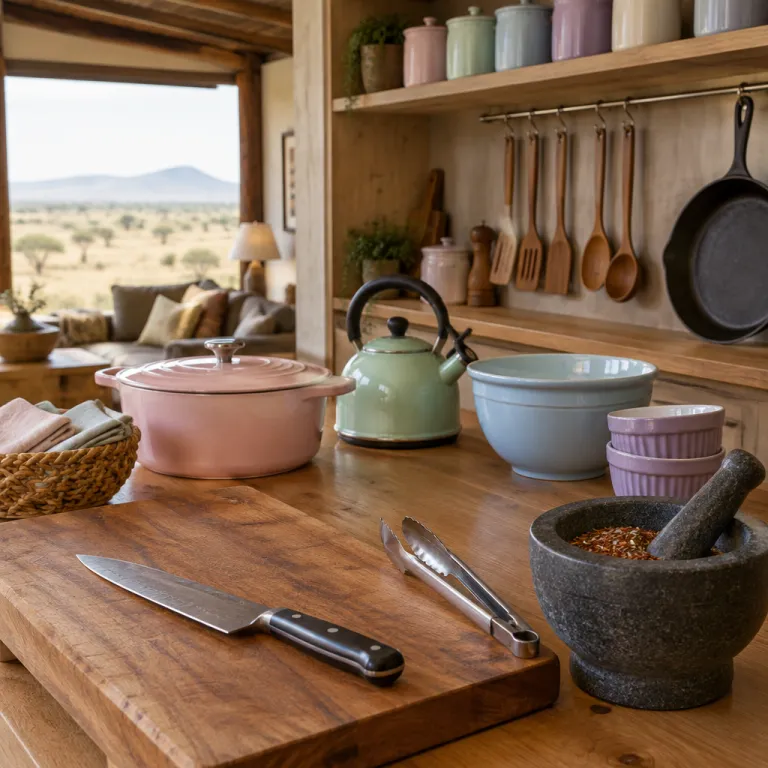
When South Africa culinary luxury lodge dining leads the itinerary
At a true culinary lodge in South Africa, the day bends around the plate. Game drive times, bush walks and even spa slots are shaped by the kitchen rather than the other way around, which creates a South Africa culinary luxury lodge dining rhythm that feels intentional instead of improvised. For a honeymoon couple used to city restaurants, this shift turns every safari day into a curated sequence of meals, drinks and moments rather than a checklist of sightings.
The difference starts with how food is framed from the first enquiry about your lodge stay. Reservation teams talk as much about breakfast and lunch rituals, wine pairings and boma dinner concepts as they do about the next game drive or the size of your private deck, and that balance signals that dining is the main event. You are not just booking safari lodges for wildlife; you are choosing a dining-focused safari lodge where the kitchen, the wine cellar and the bush are equal partners in the experience.
In the greater Kruger region, several luxury safari lodges now publish sample menus alongside their game viewing details. They highlight how each bush breakfast, lunch and dinner responds to seasonal produce, South African culinary traditions and individual dietary requirements, which reassures travellers who care as much about a thoughtful vegetarian or vegan tasting as about a big cat sighting. This is South Africa culinary luxury lodge dining as a narrative arc, where the first coffee before a dawn drive and the last glass of wine by the fire feel like deliberate chapters in one story.
From bush breakfast to boma dinner: how the kitchen shapes safari time
On a classic safari, the schedule is fixed around the early morning game drive and the late afternoon drive. At a culinary-led safari lodge, the same pattern exists but every transition is marked by a distinct food moment that defines the South Africa culinary luxury lodge dining character of the stay. The bush becomes a roaming dining room, with a bush breakfast laid out under acacias or a surprise high tea on a rocky outcrop overlooking a river.
In the Sabi Sand private reserve, lodges such as Londolozi and Singita Boulders choreograph meals to echo the landscape. A dawn safari day might start with strong coffee and fresh fruit before you climb into the vehicle, then pause mid drive for hot muffins and more coffee poured beside a dry riverbed, and finally return to the lodge for a generous breakfast–lunch hybrid that stretches lazily towards midday. By the time dinner arrives, often served as a boma feast under lanterns, you have eaten your way through the bush in stages that feel both indulgent and grounded.
Kruger National Park concessions follow a similar rhythm, but the best safari lodges there use their kitchens to interpret regional African flavours with precision. Expect pap and chakalaka elevated to fine dining level, grilled venison that respects the national park’s conservation rules by sourcing from outside its borders, and plant-forward plates that celebrate indigenous grains rather than treating them as an afterthought. When the lodge team talks about the next meal with the same excitement as the next lion sighting, you know you are in the realm of genuine food-centric safari hospitality.
Farm to table in the bush: sourcing, seasons and the wine cellar
Farm to table is not a slogan in these lodges; it is logistics. Remote properties in the greater Kruger and other private reserves build relationships with small farmers, cheesemakers and winemakers, then design South Africa culinary luxury lodge dining experiences that change as quickly as the weather patterns. The kitchen becomes a nerve centre, tracking deliveries from the Lowveld, the Cape and the Karoo while planning menus around what actually arrives rather than what looked good on a spreadsheet.
Some lodges maintain their own vegetable gardens and herb beds tucked discreetly behind guest suites. Chefs lead short walks between lunch and afternoon tea, inviting guests to pick herbs that will appear in their dinner, which turns a simple salad into a shared experience rather than a plated afterthought. When you step into a cool wine cellar carved into rock or hidden below the main deck, the sommelier can talk you through South African wine regions with the same fluency that your ranger brings to the bush, and that pairing of terroir in the glass and on the plate is the essence of South Africa culinary luxury lodge dining.
In the Winelands, properties such as Delaire Graff Estate and Le Quartier Français blur the line between lodge and working farm. Here, the wine cellar is not a trophy room but a living archive that shapes each dinner, lunch and even high tea, with vertical tastings matched to tasting menus that reference both national classics and contemporary African techniques. For honeymooners, this depth of sourcing and storytelling justifies the spend, because every meal feels like a masterclass rather than a routine inclusion in the rate.
Shared kitchens, cooking schools and intimate private moments
For couples, the most memorable South Africa culinary luxury lodge dining often happens away from the main deck. Many safari lodges now offer small scale cooking classes where you step into the kitchen between a morning drive and afternoon tea, learning to fold samoosas or pound a fragrant curry paste with the chef. These sessions are deliberately limited to a few guests, which keeps the experience intimate and lets you ask all the frequently asked and quietly asked questions about recipes, sourcing and technique.
Some properties in the Sabi Sand and greater Kruger areas extend this into full culinary programmes. You might spend a safari day alternating between the bush and the stove, joining the team to prepare a bush breakfast one morning and plating canapés for a sunset game drive the next, which creates a sense of temporary membership in the lodge’s kitchen brigade. When you sit down to dinner later, whether in a private corner of the boma or at a shared table, you recognise flavours you helped shape and that connection deepens the emotional impact of the meal.
Private dining is another hallmark of these lodges, especially for honeymooners who want both romance and substance. Think of a lantern lit table on your suite’s deck, a personalised menu that respects your dietary requirements and vegetarian or vegan preferences, and a curated flight of South African wine poured by a sommelier who has already learned your tastes over previous meals. This is not room service; it is a carefully staged South Africa culinary luxury lodge dining moment that feels like a quiet ceremony for two.
Choosing your culinary lodge: what South African travellers should look for
When you book from within South Africa, you bring local knowledge and expectations to the table. You already know what good braai smoke smells like, how a proper cup of tea or coffee should taste, and what counts as real African comfort food, so a lodge has to go beyond clichés to impress you with its South Africa culinary luxury lodge dining credentials. The key is to read between the lines of glossy descriptions and focus on how central the kitchen really is to the lodge identity.
Start by examining how the property talks about meals in relation to wildlife activities. If breakfast and lunch timings, bush breakfast setups, high tea spreads and boma dinner formats are described with as much care as the game drive routes, you are likely looking at a place where food is a core pillar rather than a side note. Ask directly about vegetarian and vegan options, how they handle strict dietary requirements and whether the wine cellar is curated by a dedicated professional, because the most serious lodges will answer these frequently asked questions with specificity rather than vague assurances.
It is also worth considering how a culinary lodge fits into a broader itinerary that might include coastal stays or even wellness focused properties along South Africa’s thermal route, where hot springs stays turn geology into a wellness practice. Pairing a few nights in a national park concession or private reserve with time in the Cape Winelands lets you experience both bush driven and vineyard driven interpretations of South Africa culinary luxury lodge dining, which keeps the journey varied without diluting its focus on taste. For a honeymoon or anniversary, that balance between safari, kitchen and cellar can be the difference between a pleasant trip and a story you will retell for years.
Frequently asked questions about culinary focused safari lodges
How is a culinary focused safari lodge different from a lodge that just serves good food?
A culinary focused safari lodge treats the kitchen as the organising principle of the stay rather than a support service. Game drive times, bush walks and even spa treatments are scheduled around key meals such as bush breakfast, high tea and boma dinner, which makes South Africa culinary luxury lodge dining the main narrative thread. In contrast, a lodge with good food may offer tasty meals but will rarely integrate sourcing, wine cellar curation and guest interaction into the overall safari experience.
Can vegetarian or vegan guests enjoy a full culinary experience at safari lodges?
Many leading safari lodges in the greater Kruger, Sabi Sand and other private reserves now design complete vegetarian and vegan tasting menus rather than simple substitutions. Chefs use indigenous grains, seasonal vegetables and African spices to create dishes that stand alongside meat and fish options, which keeps the South Africa culinary luxury lodge dining experience cohesive for mixed diet couples. When you enquire, ask for sample menus and details on how the kitchen handles specific dietary requirements to ensure you will be well catered for.
What role does wine play in South Africa culinary luxury lodge dining?
Wine is a central character rather than a background accompaniment at serious culinary lodges. Properties with strong South Africa culinary luxury lodge dining programmes often maintain deep wine cellars focused on South African regions, with sommeliers who collaborate closely with the kitchen on pairings for dinner and even lunch. If you care about wine, look for lodges that offer guided tastings, food and wine pairing evenings and access to limited release bottles from top estates.
Are culinary lodges only found in the Kruger National Park area?
While the Kruger National Park concessions and the greater Kruger private reserves host many of the most talked about safari lodges, they are not the only options. Culinary driven properties also exist in the Sabi Sand, in other national parks and in the Cape Winelands, where the wine cellar and kitchen often share equal billing. When planning a South Africa culinary luxury lodge dining itinerary, consider combining at least one bush based lodge with a Winelands stay for a broader sense of the country’s flavours.
How far in advance should I book a culinary focused lodge for a honeymoon?
Culinary lodges typically have fewer rooms and more personalised services, so they fill quickly during peak safari seasons and popular wedding months. For a honeymoon that prioritises South Africa culinary luxury lodge dining, aim to secure your preferred safari lodge and any key dinner experiences at least several months ahead, especially if you have specific dietary requirements. Early booking also gives the kitchen and wine team more time to plan personalised touches such as private dinners, special wine pairings or cooking sessions tailored to your interests.