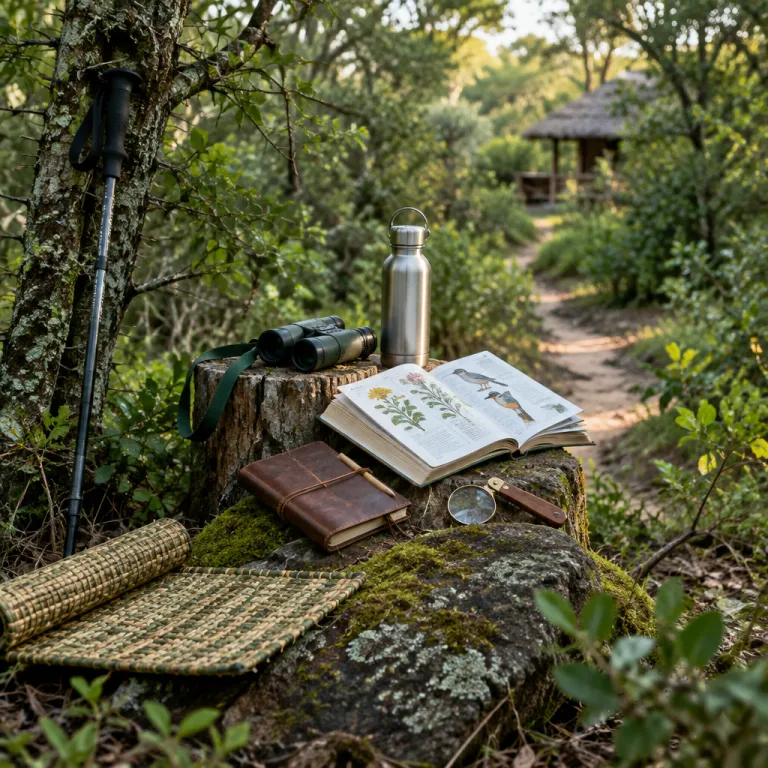
Forest bathing on safari: how shinrin yoku reshapes a South African bush escape
Shinrin yoku on safari: why the bushveld works as a forest
Forest bathing began in dense Japanese woodlands, yet the South African bushveld offers a surprisingly compatible environment. Here, nature stretches in layered textures of trees, thickets and riverine woodland that hold wildlife and silence in equal measure, creating a natural setting for contemplative immersion. The result is a safari experience that slows your nervous system rather than simply filling your camera roll.
Shinrin yoku, or forest bathing, is the structured practice of immersion in wooded landscapes through slow walking, sensory awareness and guided mindfulness in a forest atmosphere. In South Africa, qualified guides adapt this approach to the bush, using acacia groves, fever tree corridors and riverbank woodland instead of dense pine, yet the core remains a deep connection with natural, tree-rich spaces. When done well, the session becomes less about exercise and more about emotional balance, with measurable shifts in blood pressure and perceived stress reported in studies such as Park et al. (2010) in Environmental Health and Preventive Medicine (see doi:10.1007/s12199-009-0086-9) and summarised by organisations like Forest Therapy Africa, which collates international research on nature-based health outcomes.
For travelers used to back-to-back game drives, this kind of open-air immersion can feel radical. You might step off the vehicle, walk just 800 metres along shaded trails and then sit quietly beneath trees while birds and distant wildlife sounds replace engine noise. That pause in a semi-wild setting is where many guests experience a subtle emotional release, as the wooded environment holds both safety and wildness.
Morning drives, afternoon forest bathing: rewiring the safari week
On a traditional safari, the rhythm is fixed: pre-dawn wake up, long game drive, heavy breakfast, repeat in the afternoon. When a forest bathing safari lodge builds in structured immersion between those drives, the entire week’s tempo changes and wellness stops being an add-on spa treatment. You start to feel the environment working on your nervous system, not just your social media feed.
At Londolozi’s wellness centre on the Sand River, for example, a guide may pair a morning Big Five drive with a late-morning forest bathing walk through riverine woodland that fringes the water. Guests move slowly under trees alive with birdlife, pausing for mindfulness exercises that tune into sound, scent and touch rather than only scanning for wildlife. This alternation between high-focus safari experiences and quiet immersion often leaves travelers calmer by June, the mid-year period when many South Africans plan a Kruger or Sabi Sand escape.
Data shared by African practitioners such as Forest Therapy Africa and Johannesburg-based guide Toni Gillson supports what many travelers already feel intuitively. Forest Therapy Africa, drawing on international research including Li (2010) in Environmental Health and Preventive Medicine (doi:10.1007/s12199-009-0086-9), notes an indicative “reduction in stress levels after forest bathing” of around 12 %, while an “increase in immune function post-forest therapy” of roughly 15 % has been reported in studies of natural killer cell activity (for example, Li 2010, doi:10.1007/s12199-009-0086-9). When you combine that with the already documented benefits of time in a national park, the traveler’s experience shifts from a checklist holiday to a restorative wellness retreat.
For those timing a Kruger trip, pairing peak game viewing with quieter hours of forest immersion can be planned quite precisely. Resources that unpack dry-season patterns, such as a detailed guide to timing your Kruger safari for the best game viewing, help you secure the right lodge dates, while you then layer in forest bathing sessions on either side of the busiest drives. The result is an immersion experience that supports emotional balance rather than leaving you overstimulated by constant movement.
The lodges that treat forest bathing as a real practice
Only a handful of South African properties currently treat forest bathing as more than a branded walk. Londolozi’s Healing House, Royal Malewane in the Greater Kruger, Singita Castleton’s private villa programme, Bushmans Kloof in the Cederberg and Grootbos Private Nature Reserve near Gansbaai all integrate structured nature-based sessions into their wellness offerings. Each of these stays functions as a forest bathing safari lodge in its own way, even when the surrounding landscape is fynbos, sandstone or coastal milkwood rather than classic woodland.
At Royal Malewane, guests might start with a sunrise safari in Thornybush Game Reserve, then shift into a guided immersion along shaded drainage lines where trees cluster and the atmosphere is thick with birdsong. The guide encourages slow breathing, mindful contact with bark and leaves, and a gentle awareness of how time among trees affects blood pressure and mood. Sessions are typically capped at small groups of six to eight participants, last around two to three hours and follow reserve safety protocols that keep guests close to the guide and within pre-assessed walking zones.
Singita Castleton, a private homestead in the Sabi Sand, uses its old farm-style gardens and adjacent riverine woodland as an outdoor studio for mindfulness and forest bathing. Here, a dedicated wellness specialist works with small groups of travelers, building multi-day immersion experiences that alternate with tailored game drives into the wider reserve and neighbouring Greater Kruger concessions. Many of these practitioners have completed nature-therapy or forest-bathing training with organisations such as Forest Therapy Africa or equivalent international bodies, and sessions are usually limited to intimate groups so that individual needs, mobility and wildlife safety briefings can be properly addressed.
Beyond the bush: Grootbos, Bushmans Kloof and coastal forests
Not every transformative forest bathing safari lodge sits in Big Five territory. Grootbos Private Nature Reserve, between Stanford and Gansbaai, swaps savannah for ancient milkwood forests and fynbos-covered hills that roll towards the Atlantic. Here, travelers experience a different kind of immersion in nature, where the wildlife is more about birds, insects and small mammals than lions, yet the emotional impact can be just as strong.
Guides at Grootbos lead slow walks through milkwood groves whose twisted trees create a natural cathedral, with filtered light and a cool, sheltered atmosphere even on hot days. Guests are invited into mindfulness practices that focus on scent, texture and sound, turning a simple walk into a bathing experience that calms the nervous system and supports emotional balance. Because the reserve is not a national park, there is more flexibility to linger, sit or even lie down beneath trees without worrying about large wildlife moving through.
Bushmans Kloof in the Cederberg offers another variation, using sandstone valleys, riverine thickets and stands of indigenous trees as a semi-arid analogue to classic forest. Here, trails follow streams and rock pools where travelers can combine gentle immersion with swims in clear water and open-air picnics. For South Africans who enjoy pairing wine country stays with wellness, it is easy to build an itinerary that links a Cederberg retreat with a few nights in the Cape Winelands, using curated lists of characterful stays such as a guide to small-scale Winelands guesthouses with hands-on owners.
How to book wisely: real guides, real forests, not just branding
As wellness tourism grows, many hotels and safari lodges now advertise forest bathing without a clear understanding of shinrin yoku. On South African booking platforms, you will see everything from a simple guided walk in a park to a full immersion retreat described with the same language. The eco-conscious traveler therefore needs to read beyond the headline and interrogate what the hotel actually offers.
Start by asking whether the property partners with certified forest therapy guides or organisations such as Forest Therapy Africa, which trains practitioners across the continent. Names like Toni Gillson in Johannesburg and Pretoria, or Bellevue Forest Reserve near Greater Addo, signal that a lodge is taking the nature therapy concept seriously and not just rebranding existing walking trails. Check whether sessions are capped at small groups of travelers, whether wildlife safety is addressed through pre-walk briefings and radio contact with rangers, and whether the programme is integrated with the broader safari schedule.
Be wary of any forest bathing safari lodge that treats the activity as a quick add-on between high tea and the afternoon drive. A meaningful session usually lasts at least two hours, includes structured mindfulness, and takes place in a wooded environment where trees, understorey plants and natural soundscapes are intact. If the description sounds more like a fitness hike in open-air grassland, or if the only wildlife mentioned is what you might see from the vehicle, you are probably looking at wellness by numbers rather than a practice that will genuinely support your nervous system.
Finally, remember that while forest bathing has roots in Japan and has been studied in places as far afield as central India, its translation to South African landscapes must respect local ecology and conservation rules. The best safari experiences balance access to wildlife with minimal disturbance to the environment, using national park regulations and private reserve guidelines as a framework. When you find a lodge where guides speak fluently about nature, emotional wellbeing and science-backed benefits such as reduced blood pressure, and when they can reference research or training bodies like Forest Therapy Africa or published work by Park et al. (2010) and Li (2010), you are close to a stay where the rhythm of your week will quietly, and lastingly, change.
FAQ
What is forest bathing in a South African safari context ?
Forest bathing in South Africa is the structured practice of slow, mindful walking and sensory awareness in wooded or riverine areas within reserves and private conservancies. It adapts Japanese shinrin yoku principles to local forests, thickets and tree-lined riverbeds where wildlife is present but carefully managed. The focus is on connection with nature, emotional balance and nervous system regulation rather than on covering distance.
How does forest bathing enhance a traditional safari experience ?
Forest bathing adds quiet, contemplative time between game drives, allowing travelers to process the intensity of close wildlife encounters. Instead of filling every hour with vehicle-based safari experiences, you spend time on foot in a forest atmosphere that encourages slower breathing and lower blood pressure. This balance often leaves guests feeling more rested and emotionally grounded by the end of their stay.
Is forest bathing suitable for all ages on safari ?
Most forest bathing sessions in South African reserves are designed to be accessible to a wide range of ages and fitness levels. The pace is gentle, distances are short and guides adapt the route to the group, often using flat trails near the lodge. Families should still check age policies with each hotel or lodge, as wildlife safety rules vary between properties and national parks.
How can I tell if a lodge offers genuine forest bathing and not just a branded walk ?
A genuine forest bathing safari lodge will usually work with certified guides, explain the structure of the bathing experience in detail and limit group sizes. Look for references to mindfulness, sensory exercises and time spent in a specific wooded environment, rather than vague mentions of a nature walk. If in doubt, ask whether the lodge partners with organisations such as Forest Therapy Africa or named guides like Toni Gillson, and how sessions are integrated into the daily safari schedule.
Do I need special equipment or preparation for forest bathing on safari ?
You do not need technical gear; comfortable walking shoes, neutral-coloured clothing and a light layer for changing temperatures are usually enough. Lodges typically provide water, insect protection and sometimes mats or stools for seated mindfulness in open-air clearings beneath trees. It helps to arrive with an open mind and a willingness to slow down, as the practice is more about presence than performance.