Mid-winter luxury in Cape Town for South African travellers
Why mid-winter in Cape Town is the insider’s luxury season
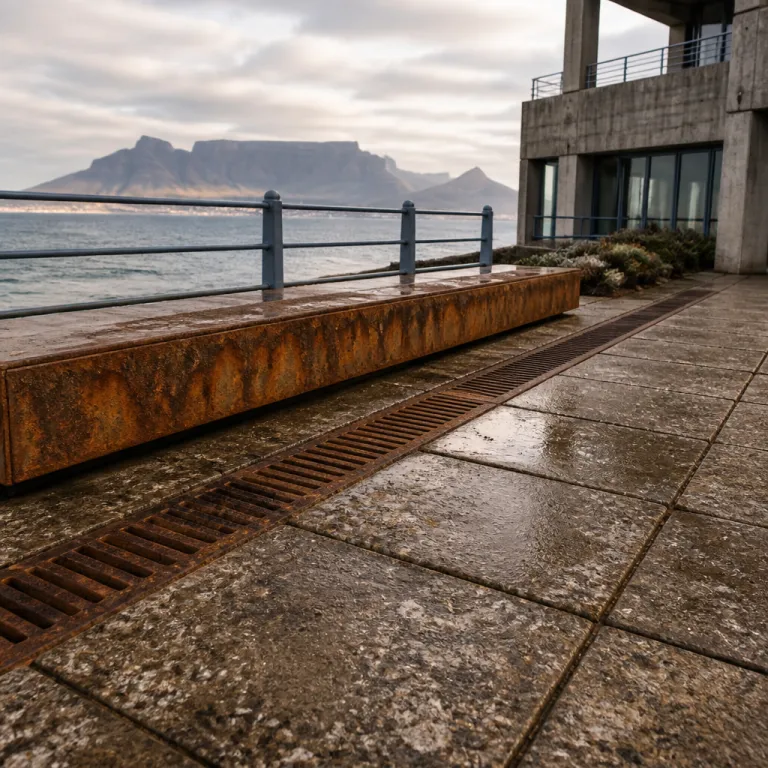
Mid July in Cape Town feels like a secret the travel industry forgot. Daytime temperatures usually sit between 12 and 18 °C, with crisp clear spells often outnumbering the rainy ones, so this is a surprisingly comfortable time to visit Cape Town for urban luxury. When a cold front does roll in from the Atlantic Seaboard coast, it tends to pass quickly, leaving washed clean air and a mountain view so sharp it feels almost unreal.
For South African travellers used to summer South Easter winds, this winter calm can feel like an entirely different Cape Town experience. The city’s Mediterranean climate means the real chill is short lived, and with the right layers you move easily between a cozy hotel lounge, a glass of wine tasting in Constantia, and a brisk walk along the sea wall in Green Point. Cape Town Tourism’s own winter messaging underlines the shift in mood with a simple truth: “Is winter a good time to visit Cape Town? Yes, it's less crowded with unique activities.”
Economically, this is when Cape Town’s high-end hotels quietly sharpen their offering for the domestic market. According to the City of Cape Town’s 2023 tourism performance report, direct visitor spend in the metro exceeded R24 billion in 2022, yet winter remains the off peak season with fewer crowds and more attentive service in hotel rooms and restaurants. For a South African couple planning a quick urban escape in South Africa, that underbooked week in mid winter is often when the best room categories, the most personalised fine dining, and the most flexible check in times will be available. As one Waterfront concierge put it in a recent local media interview, “Winter is when we finally have time to spoil our South African regulars properly.”
Where to stay : grand hotels at off peak winter rates
Look first to the grande dames and design forward addresses that define Cape Town luxury. At the foot of Table Mountain, Mount Nelson by Belmond turns winter into theatre, with pink walls glowing against a steel blue sky and fireplaces anchoring every lounge, and its hotel rooms feel especially cozy when rain taps softly on the sash windows. In mid July, rates at many Cape Town luxury properties often sit roughly 25 to 40 percent below their December peak, yet the service level and room view quality remain at their best.
Down in the V&A Waterfront, One&Only Cape Town and The Silo Hotel frame the bay and working harbour with floor to ceiling glass, giving you a front row seat to winter storms sweeping across the Atlantic Seaboard coast. When the weather clears, the view stretches from Signal Hill to Table Mountain, and you can ride the cable car on a clear morning with far fewer crowds than in high summer. The new generation of urban luxury, profiled in depth in this analysis of Cape Town’s Marriott EDITION and African luxury trends, shows how the city is rethinking what a Cape Town hotel experience can be in winter.
In the leafy streets of the City Bowl and Gardens, properties such as Ellerman House and Cape Cadogan offer a different kind of winter time stay in South Africa. Here, fewer room suites mean more tailored attention, and you move from a library fire to a private terrace with a mountain or bay view between showers. For many domestic travellers, this is when upmarket Cape Town hotels feel most like a private residence, with staff remembering your preferred glass of wine, your favourite corner table for fine dining, and even the exact time you like your morning coffee. Local hoteliers often describe this as “our season for detail”, when repeat South African guests shape the pace of service.
What sharpens in winter : food, wine and culture without queues
Mid winter is when Cape Town’s culinary scene turns inward and focuses on detail. Chef’s tables at the best fine dining restaurants from the city centre to the Atlantic Seaboard coast have more space for locals, and the teams can slow down enough to talk you through each course, which transforms a simple dinner into a full hotel experience if you are staying upstairs. Many local restaurants and wine bars run winter specials, so your budget stretches further while the quality quietly rises.
For wine lovers, this is the time to visit Cape Town and its nearby wine estates without the summer crowds that usually clog the Western Cape roads. Constantia, just 20 minutes from town, offers tasting rooms where you can linger by a fire with a generous glass of wine and talk to winemakers who finally have time to engage. A curated guide to elegant places to drink in Cape Town becomes especially useful in winter, when you want venues that balance atmosphere, serious lists, and easy access back to your Cape Town hotel.
Culture also feels more accessible in this season, with galleries, markets, and indoor events across town tuned to a slower rhythm. Cape Town Tourism and local partners use winter to host special markets and indoor festivals that support small businesses while giving visitors a unique sense of place in South Africa. For a domestic traveller, this means you can pair a central luxury base with evenings at intimate jazz venues, afternoons at design studios, and even day trips to coastal towns along the Western Cape coast, all without the pressure of peak season traffic or queues. Practicalities are straightforward: rideshare services and metered taxis cover most urban journeys, well-lit central areas are busy into the evening, and major winter events such as the Cape Town International Jazz Festival and mid-year wine festivals publish dates months in advance, making it easy to plan.
The mountain, the coast and why serious travellers choose winter
Every conversation about Cape Town in winter eventually turns to Table Mountain. The reality is simple: the cable car closes only when wind or visibility make it unsafe, and in the June August period you still get many clear, still days when the ride is spectacular and the view stretches from Table Bay to Cape Point. Table Mountain Aerial Cableway’s own operational updates show that winter closure days cluster around strong cold fronts rather than spanning whole weeks, so if you stay several nights you usually catch a good window. On days when the mountain is closed, you gain something else instead, like a long slow breakfast in your hotel rooms or a spontaneous drive along the Atlantic Seaboard coast to watch waves hammer the shore.
For those who crave nature with their city break, the wider Western Cape offers easy winter day trips that pair perfectly with a base in Cape Town’s premium hotels. Cape Point and the Cape of Good Hope section of Table Mountain National Park feel wilder in winter, with fewer crowds on the trails and a sharper sense of the ocean’s power along the coast. Even the beach walks on Clifton or Camps Bay take on a different character, with locals in puffer jackets, dogs racing the surf, and the knowledge that your cozy room suites and a hot bath are waiting back at your Cape Town hotel.
Some South African travellers now combine a mid winter urban stay with a short safari, using Cape Town as a gateway to reserves in other parts of South Africa. A detailed review of Zulu Nyala Safari Lodge for local luxury travellers shows how easily you can move from city lights to wildlife, swapping hotel rooms for luxury tents while keeping the same standard of service. Serious travellers quietly admit that summer can be the wrong time for Cape Town, with heat haze on the mountain, crowded beaches, and restaurants stretched thin, while winter offers clarity, space, and the sense that the city, the coast, and the mountain are performing just for you. As one Cape Town guide summed it up, “In July, it feels like the whole peninsula belongs to the people who live here and the guests who know when to come.”
FAQ
Is winter a good time to visit Cape Town for a luxury stay ?
Winter is an excellent time to visit Cape Town if you value space, attentive service, and sharper rates at Cape Town winter luxury hotels. Temperatures usually range from about 5 to 18 °C, with many clear days between cold fronts. You benefit from fewer crowds at Table Mountain, wine estates, and fine dining restaurants, while still enjoying a full urban and coastal experience in South Africa.
What are popular winter activities in Cape Town for hotel based travellers ?
Popular winter activities include whale watching along the Western Cape coast, visiting indoor markets and galleries in town, and booking chef’s tables or wine bar evenings near your Cape Town hotel. Many travellers also ride the cable car to Table Mountain on clear days, explore Cape Point and Table Mountain National Park, or take day trips to Constantia wine estates. These experiences pair well with cozy room suites, fireplaces, and spa treatments at Cape Town winter luxury hotels.
Are there special winter deals at Cape Town luxury hotels and restaurants ?
Yes, many Cape Town winter luxury hotels and local restaurants offer winter specials aimed at domestic travellers. You can often secure upgraded hotel rooms, added value packages, or fine dining tasting menus at rates well below summer levels. This makes mid winter an ideal time to book a premium Cape Town experience in South Africa without paying peak season prices.
How often is the Table Mountain cable car closed in winter ?
The cable car on Table Mountain closes whenever wind or visibility make operations unsafe, which can happen several times during the June August period. However, winter also brings many still, clear days when the ride is open and the view over Table Bay, the Atlantic Seaboard, and the Western Cape coast is at its best. If you plan a multi day stay in Cape Town, you usually find at least one good window to visit.
What should I pack for a mid winter luxury break in Cape Town ?
Pack warm layers, a waterproof jacket, and comfortable shoes for walking along the coast or exploring town. Most Cape Town winter luxury hotels provide cozy interiors, fireplaces, and quality bedding, so you mainly need clothing that lets you move easily between indoor fine dining, wine estates, and outdoor viewpoints. A compact umbrella, a scarf, and a smart casual outfit for city restaurants will round out your winter packing list for South Africa.