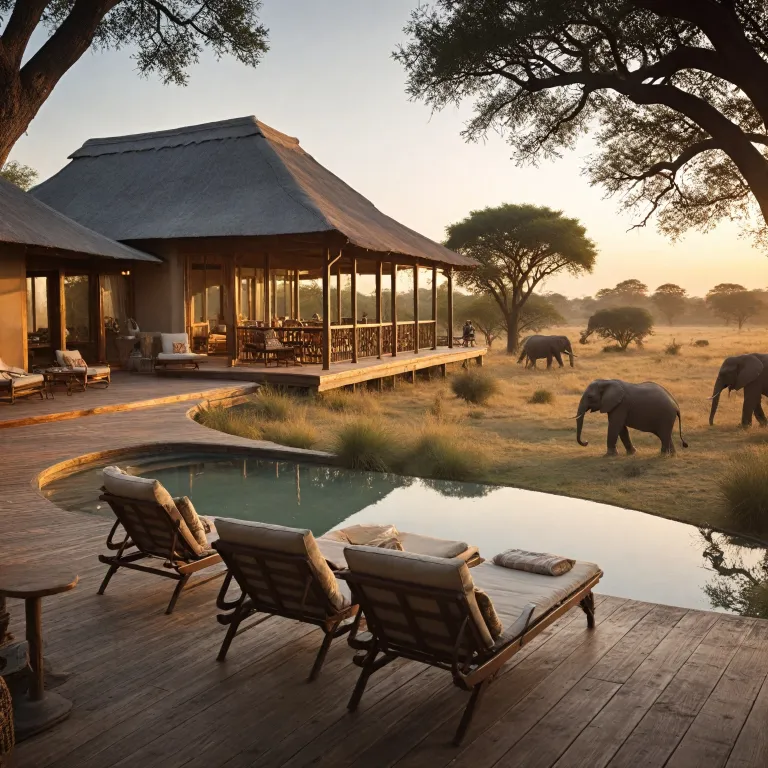
Reading a sabi sands map 2025 style layout before you book
Understanding the layout of Sabi Sands Game Reserve is the quiet luxury that shapes every stay. A detailed map that mirrors a refined sabi sands map 2025 approach helps you visualise lodges, access gates, and the unfenced boundary with Kruger National Park. When you plan travel from a South African city, this clarity turns a simple booking into a tailored journey.
The reserve stretches across about 65 000 hectares of sand and savanna, so distance between each lodge and each gate matters for timing. A precise sands map style overview shows how the private game reserve links to the larger Kruger National ecosystem, including the sand nature corridors that allow wildlife to roam freely. By reading the map alongside your flight details, you can match your arrival time at an airport with realistic transfer expectations.
For many guests based in South Africa, the first decision is which airport to use. Skukuza Airport inside the Kruger National Park offers short transfer times to several Sabi Sands lodges, while Kruger Mpumalanga International Airport near Nelspruit connects easily with Johannesburg and Cape Town. When you overlay these airports on a sabi sand nature reserve map, you immediately see how your chosen gate and lodge affect total travel time.
Luxury and premium lodges in the Sabi Sands game reserve typically arrange private transfers from both airports. However, the person fee for conservation and gate entry is usually separate from your room rate, and it is charged per person rather than per vehicle. A careful reading of the sands game layout helps you anticipate these fees at access gates such as Gowrie Gate, Newington Gate, and Shaws Gate.
Choosing the right access gates and lodges for seamless arrivals
For a South African traveller, the most practical use of a sabi sands map 2025 style diagram is matching access gates to specific lodges. Each gate serves a cluster of lodges within the Sabi Sands game reserve, and choosing the wrong gate can add an hour of unnecessary driving on gravel sand roads. When you book, always confirm the correct gate name and cross check it against an updated sands map.
Gowrie Gate in the north, Newington Gate in the west, and Shaws Gate in the south are the three primary access gates into the reserve. Some booking confirmations still refer to gate Newington or simply Newington, so be sure the wording matches what appears on your map. This is especially important if you self drive from elsewhere in South Africa and rely on navigation apps that may not reflect private sand nature tracks accurately.
Many premium lodges provide detailed driving directions that reference both the Kruger National Park boundary and the Sabi Sands reserve roads. These directions usually include estimated time from Kruger Mpumalanga International Airport and from Skukuza Airport, which helps each person in your party plan their own travel. When you overlay these directions on a sabi sand game reserve map, you gain a realistic sense of arrival windows and check in timing.
Remember that access gates have specific opening and closing times that change slightly with the seasons. Arriving after hours can incur an additional fee for an escort vehicle, or you may be asked to wait at the gate until morning. A thoughtful booking strategy therefore links your flight, your chosen airport, your gate, and your lodge on one integrated sands map so that your first game drive is not lost to logistics.
Aligning game drives, seasons, and time on safari with your map
A refined sabi sands map 2025 style overview does more than show roads ; it frames how you will experience game drives. In Sabi Sands, the best time for wildlife viewing is the dry season when animals concentrate around water, and a map helps you see how rivers and sand riverbeds shape animal movement. When you know where your lodge sits relative to these features, you can choose a stay that maximises time in high density game areas.
Because Sabi Sands Game Reserve shares an unfenced boundary with Kruger National Park, wildlife moves freely between the national park and the private nature reserve. A sands game layout that marks this boundary line illustrates why sightings of leopard, lion, and other predators are so consistent here. It also explains why some lodges closer to the boundary may enjoy slightly different game viewing patterns than lodges deeper inside the reserve.
Most lodges offer two daily game drives, one at first light and one in the late afternoon. When planning travel from elsewhere in South Africa, use your map to ensure your arrival time allows you to join at least one drive on your first day. If your flight into Skukuza Airport or Kruger Mpumalanga International Airport lands late, you may prefer a lodge closer to the relevant gate to reduce transfer time.
For families or multi generational groups, a clear map also helps each person understand the rhythm of safari days. You can see how far the lodge is from the nearest access gates, where walking safari areas are located, and how sand nature features like riverbeds influence routes. This level of planning supports a calmer, more luxurious experience where logistics fade into the background and the focus remains on the game reserve itself.
Using a detailed reserve map to compare luxury lodge locations
On a luxury and premium hotel booking website in South Africa, a sabi sands map 2025 style graphic should sit alongside rates and room images. Location within the Sabi Sands game reserve is as important as suite design, because it shapes privacy, views, and access to prime game areas. A precise sands map lets you compare lodges on the banks of the Sand River with those in more secluded bush settings.
Some travellers prefer lodges near the Sand River, where permanent water attracts game throughout the year. Others choose lodges deeper in the sand nature woodland for a sense of remoteness and fewer vehicles on drives. When the booking platform overlays each lodge on a sabi sand game reserve map, you can align these preferences with your budget and desired level of exclusivity.
Well designed maps also highlight private concessions, traversing rights, and neighbouring properties such as Lion Sands on the southern boundary. Understanding how your chosen lodge shares land within the broader nature reserve helps you anticipate vehicle density at sightings. This is particularly relevant for photographers who value longer, quieter time with each animal rather than quick rotations.
For South African families seeking extra space, consider private villas within the reserve or in other Big Five areas. A useful resource is exceptional private family villas in South Africa's Big Five reserves, which complements your Sabi Sands planning. By combining this information with a detailed sands game layout, you can design a multi stop itinerary that moves smoothly between Sabi Sands, Kruger National Park, and other South Africa destinations.
Understanding fees, person charges, and gate logistics before you travel
Luxury travellers based in South Africa often focus on nightly rates yet overlook reserve fees. A sabi sands map 2025 style planning sheet should include a breakdown of every person fee, vehicle fee, and conservation levy linked to the Sabi Sands game reserve. These charges usually apply at access gates such as Gowrie Gate, Newington Gate, and Shaws Gate, and they are separate from your lodge invoice.
When you arrive at the gate, officials will confirm your booking, collect the relevant fee, and record your vehicle details. Having your lodge confirmation and a printed sands map with the correct gate name speeds up this entry process. If you are transferring from Skukuza Airport or Kruger Mpumalanga International Airport with a lodge vehicle, these logistics are usually handled on your behalf.
It is important to note that conservation levies are typically charged per person per night and support anti poaching and community projects. In a reserve that borders the Kruger National Park, these funds help maintain the integrity of the broader sand nature ecosystem. For many guests, understanding this context turns a simple person fee into a meaningful contribution to South Africa conservation.
Before you travel, confirm whether your lodge includes gate fees in the package or whether you must pay at the access gates. Some premium properties bundle these costs for international guests but exclude them for South African residents booking locally. By mapping every expected fee against your route and time of arrival, you avoid surprises at the gate and keep the focus on the game experience.
How a map led approach elevates South African lodge booking decisions
For a traveller based in South Africa, the deepest challenge in booking a luxury lodge is not choice but clarity. A carefully curated sabi sands map 2025 style interface on a booking website answers this by showing how each lodge, gate, and airport fits into the wider Sabi Sands game reserve. It transforms a list of rates into a visual journey that respects your time, budget, and expectations.
By integrating a sands map with live availability, the platform can suggest lodges that align with your preferred access gates and chosen airport. If you fly into Skukuza Airport, it can prioritise lodges with shorter transfer times via Shaws Gate, while Kruger Mpumalanga International Airport arrivals might be guided towards properties near Newington Gate. This map led curation is especially valuable for last minute travel when every hour of daylight game viewing counts.
Advanced platforms can also layer in practical guidance drawn from the reserve itself. For example, they can highlight that “Book accommodations well in advance, especially during peak seasons. Follow all safety guidelines provided by the reserve. Respect wildlife and maintain a safe distance during sightings.” When such advice appears alongside a sabi sand game reserve map, it feels concrete rather than abstract.
Ultimately, a map centric approach honours the reality that Sabi Sands is a living nature reserve, not just a backdrop for luxury suites. It helps each person understand how the sands game landscape, the Kruger National boundary, and the network of access gates shape their stay. For South African travellers who know the distances of their own country, this level of transparency builds trust and encourages more frequent, more considered returns to Sabi Sands and the wider south of Kruger.
Key statistics for planning a Sabi Sands stay
- Total area of Sabi Sands Game Reserve is approximately 65 000 hectares, offering extensive space for game viewing.
- The reserve hosts around 20 luxury and premium lodges, giving travellers a focused yet varied selection.
- Annual visitors number about 50 000 people, which helps maintain an exclusive atmosphere compared with larger parks.
Essential questions South African travellers ask about Sabi Sands
What is the best time to visit Sabi Sands?
The dry season from May to September is ideal for wildlife viewing as animals gather around water sources. During these months, vegetation is thinner, which improves visibility on game drives across the reserve. Cooler temperatures also make early morning and evening drives more comfortable for each person on the vehicle.
Are there malaria risks in Sabi Sands?
Yes, Sabi Sands is in a malaria area; visitors are advised to take prophylactic measures. Travellers from within South Africa should consult their healthcare provider well before travel to discuss suitable medication. In addition, lodges typically provide mosquito nets and repellents, but personal precautions remain essential.
Can children participate in safaris at Sabi Sands?
Many lodges offer family friendly safaris, but age restrictions may apply; it's best to check with the specific lodge. Some properties provide specialised kids' programmes and private vehicles, which can be ideal for younger guests. Always confirm child policies at the time of booking, as they may differ between lodges within the same game reserve.