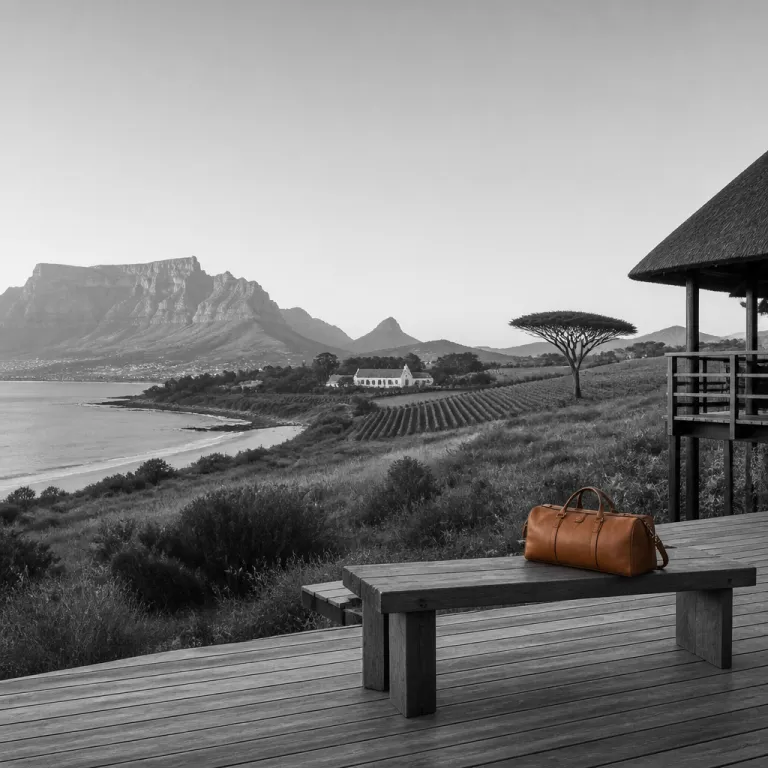
Southern Africa travel refined: from Cape Town to Kruger safari lodges
Southern Africa travel that links Cape Town, the Cape Winelands and a Kruger safari has become the gold standard for South Africans seeking meaningful luxury. This combination lets you pair a design-forward hotel in the city, a character-filled country house among the vineyards, and an intimate safari lodge in a legendary game reserve for one seamless journey. For a traveller based in South Africa, this means shorter flights, familiar currencies and the freedom to shape your own days while still enjoying world-class service.
Many local specialists now recommend a nine-day route that connects Cape Town, Stellenbosch or Franschhoek and a Kruger safari near Hoedspruit or Skukuza. A typical Cape Town–Winelands–Kruger itinerary starts with three nights in a waterfront or city-bowl hotel beneath Table Mountain, continues with two nights in a Winelands manor house, and ends with four nights in a private safari lodge inside or near a Kruger National Park concession. The distance between Cape Town and the Kruger region is about 2 000 km, so a direct flight of roughly two and a half hours is usually preferable to a long multi-day drive.
For South Africans, the appeal lies in how familiar and foreign the journey feels at the same time. You might start your day with a coffee in a favourite Cape Town neighbourhood, then end it on a deck overlooking a Sabi Sand waterhole as elephants drift past in the dark. Because you are not paying international airfares, you can often upgrade to a more exclusive game reserve, choose a lodge with a higher level of guiding, or extend your stay by a few days without increasing the overall cost per person night too dramatically.
Choosing the right Cape Town and Winelands hotels for a safari focused trip
When your goal is a Cape Town, Winelands and Kruger safari journey, your city and wine-country bases should enhance the wildlife finale rather than compete with it. In Cape Town, look for a hotel that offers easy access to Table Mountain, the V&A Waterfront and the Atlantic seaboard, yet still feels like a calm house of rest between excursions. Many South Africans now favour smaller luxury properties over large chains that market themselves as boutique hotels, because they want warmth, discretion and a strong sense of place.
For a two or three day Cape Town stay, prioritise walkability and views over resort-style amenities you will not use. A room facing the harbour or the mountain can transform a short city break into a memorable part of your wider South Africa itinerary, especially if you are arriving from a busy work week. Mid-winter in the city can be particularly rewarding for locals, and guides such as this feature on the underbooked week when Cape Town is at its sharpest show how quieter days translate into better rates and more attentive service.
In the Cape Winelands, your choice of hotel or country house shapes the rhythm of your days. Properties around Stellenbosch and Franschhoek often sit within a few kilometres of multiple wine estates, so you can plan relaxed day trips with short drives between tastings and long lunches. If sustainability matters to you, consider new-generation rewilding stays in South Africa, where properties are actively restoring land rather than only hosting guests, as profiled in this piece on South African properties that are returning land to nature.
Kruger safari lodges and Sabi Sands reserves tailored to South Africans
The heart of any Cape Town, Winelands and Kruger safari itinerary is the time you spend on game drives in and around Kruger National Park. For a traveller based in South Africa, the choice is no longer simply between a state rest camp and a high-end international lodge, because a spectrum of safari options now caters specifically to local tastes and budgets. You can select a private game reserve in Sabi Sand, a concession inside Kruger National Park, or a more remote sector near Hoedspruit, each offering a different balance of cost per person night, exclusivity and wildlife density.
At the very top end, properties such as Singita Lebombo in a private Kruger concession deliver a level of luxury safari that rivals any in Africa. Here, suites float above a rugged river valley, and each day brings two long game drives, guided walks and refined dining that still feels rooted in the bush. Comparable lodges such as Lion Sands Ivory Lodge or Londolozi Private Granite Suites in the Sabi Sand reserve follow a similar fully inclusive model, with all meals, most drinks and twice-daily game drives in the rate per person night, which can make them better value than they first appear when you compare them with a city hotel where every extra is charged separately.
For couples planning a romantic escape, some safari lodge collections now curate packages that link a few nights in Cape Town with a stay in Sabi Sands or another private reserve. Many South African honeymooners gravitate towards properties that offer both privacy and easy logistics, and resources such as this guide to a honeymoon safari in South Africa where romance meets the wild can help you refine your shortlist. Whether you choose a thatched house-style suite overlooking a waterhole or a contemporary villa with floor-to-ceiling glass, the key is to match the atmosphere of your lodge with the tone of your overall journey.
Designing a nine day Cape Town, Winelands and Kruger route from South Africa
A well-structured nine day Cape Town, Winelands and Kruger safari itinerary gives you enough time in each region without feeling rushed. Many South Africans now follow a pattern with three nights in Cape Town, two nights in the Cape Winelands and four nights on safari in or near Kruger National Park. This balance allows for unhurried days in the city and wine country, followed by a deep immersion in the bush where the rhythm of early morning and late afternoon game drives defines your schedule.
On days one to three, you might base yourself in a central Cape Town hotel and focus on Table Mountain, the Atlantic seaboard and the historic heart of the town. A typical day in the Cape could include a cableway ascent in the morning, a walk through the Company’s Garden and a late afternoon drink on a rooftop terrace watching the light change over the mountain. Because you are travelling from within South Africa, you can time your arrival to avoid peak holiday periods and secure better value on both flights and rooms.
Days four and five shift the mood as you move into the Cape Winelands, where vineyard views replace ocean horizons. Here, a characterful house on a working farm or a small hotel in Franschhoek lets you slow down, with long lunches, short drives between estates and perhaps a spa treatment before sunset. Days six to nine then belong to your chosen safari lodge in a private game reserve or a concession bordering Kruger, where each day brings close encounters with big game and quiet hours on your deck listening to the sounds of the park at night.
Comparing safari lodges, reserves and routes for South African travellers
Choosing the right safari lodge and route within the broader Cape Town, Winelands and Kruger framework requires clear priorities. If your main goal is to see the Big Five in a short time, then a private game reserve in Sabi Sands or another sector bordering Kruger National Park is usually the strongest choice. These reserves limit vehicle numbers, allow off-road game drives in many areas and often share unfenced boundaries with the park, which means wildlife moves freely between the two.
Travellers who value space and solitude over constant sightings might prefer a more remote Kruger safari area or even a different national park in South Africa, such as the Kgalagadi or Addo, combined with a stay along the Garden Route. Growing demand for combined city and safari tours, the rise of luxury travel experiences and a stronger emphasis on sustainable tourism are reshaping how lodges design their offerings for local guests. This shift has encouraged more properties to introduce resident rates, flexible minimum nights and shorter three day packages that fit neatly into a single week of leave.
For some South Africans, driving the Garden Route and then flying to a Kruger safari lodge offers the best of both worlds. You might spend a few days exploring coastal towns, forests and marine reserves before heading north for three or four nights in a private reserve where every day is structured around early morning and late afternoon game drives. Many travellers find that the journey from Cape Town to Kruger can be as rewarding as the destination when you build in thoughtful stops and avoid trying to cover the full distance by road in a single day.
Practical booking strategies for luxury and premium stays in South Africa
Booking luxury and premium hotels and safari lodges as a South African traveller calls for a slightly different strategy than booking from abroad. Because you are closer to the destination, you can be more flexible with dates and take advantage of shoulder-season windows that still offer excellent game viewing in Kruger National Park and comfortable weather in Cape Town. April to May and September to November often provide optimal conditions in both the city and the bush, with fewer crowds and more competitive rates per person night.
For a Cape Town, Winelands and Kruger safari itinerary, start by fixing your safari lodge dates first, because private reserves and high-demand properties such as Singita Lebombo often fill up months in advance. Once your nights in the game reserve are secured, you can build the Cape Town and Cape Winelands segments around them, using direct flights between Cape Town and the Kruger region to minimise travel days. Several airlines now operate non-stop services on this route, reducing the journey to about two and a half hours and turning what used to be a multi-day drive into a single easy travel day.
Always check what is included in your safari rate, especially around game drives, park fees and transfers between the airstrip and the lodge. A package that appears more expensive at first glance may include twice-daily game drives, all meals, selected drinks and conservation levies, while a cheaper option might add these as extras and increase your final bill. For city and Winelands hotels, look for flexible cancellation policies, clear information on room sizes and views, and loyalty benefits that recognise repeat stays, because as a South African traveller you are well placed to return for different combinations of Cape Town, Winelands and safari over several years.
Key figures for Cape Town, Winelands and Kruger safari travel
- The average cost per adult for a nine day Cape Town, Winelands and Kruger safari itinerary is often around 3 500–3 600 USD (roughly 65 000–70 000 ZAR at mid-2024 exchange rates) for a mid to high-end mix of hotels and lodges, based on pricing ranges referenced by sources such as Rough Guides and specialist tour operators.
- A typical itinerary spans nine days, with three nights in Cape Town, two nights in the Cape Winelands and four nights in or near Kruger National Park, offering a balanced blend of urban, wine-country and safari experiences.
- The distance between Cape Town and the Kruger region is approximately 2 000 km, so most travellers choose a direct flight of about two and a half hours rather than a multi-day drive across South Africa.
- Direct flights between Cape Town and airports serving the Kruger area, such as Hoedspruit or Skukuza, have reduced overall travel time and made combined city and safari itineraries more accessible for South African travellers, as reflected in current schedules published by major domestic airlines.
- Shoulder seasons from April to May and September to November generally offer comfortable weather in both Cape Town and Kruger, with fewer visitors and often better value on per person night rates in hotels and safari lodges.
FAQ about Cape Town, Winelands and Kruger safari lodge bookings
What is the best time for a Cape Town and Kruger safari from South Africa ?
For a combined Cape Town and Kruger safari, April to May and September to November usually provide the best balance of weather, crowd levels and value. These months bring mild temperatures in Cape Town and the Cape Winelands, along with excellent visibility for game drives in and around Kruger National Park. As a South African traveller, you can also target midweek stays during these periods to secure stronger rates at both city hotels and safari lodges.
How long should I stay in each destination on a nine day trip ?
A well-tested pattern for a Cape Town, Winelands and Kruger safari itinerary is three nights in Cape Town, two nights in the Cape Winelands and four nights on safari. This gives you enough time to explore Table Mountain, the Atlantic seaboard and the historic town centre before slowing down among the vineyards. Four nights in a private game reserve or concession near Kruger National Park then allow for at least six to seven game drives, which significantly increases your chances of seeing big game.
Are there direct flights between Cape Town and the Kruger area ?
Yes, several airlines operate direct flights between Cape Town and airports that serve the broader Kruger region, such as Hoedspruit and Skukuza. The flight time is roughly two and a half hours, which is far shorter than attempting to drive the approximately 2 000 km distance across South Africa. For most South African travellers, this makes it practical to spend a full day in Cape Town, fly the next morning and still arrive at a safari lodge in time for the afternoon game drive.
How far in advance should I book safari lodges and hotels ?
For peak holiday periods and top-tier properties such as Singita Lebombo or other high-demand safari lodges in Sabi Sands, booking six to twelve months ahead is wise. City hotels in Cape Town and country houses in the Cape Winelands often have more flexibility, especially outside school holidays, but you should still secure your preferred dates a few months in advance. As a South African traveller, you can sometimes benefit from last-minute resident offers, yet these are never guaranteed for the most sought-after game reserves.
What should I budget per person night for a luxury safari lodge ?
Rates for a luxury safari lodge in or near Kruger National Park vary widely, but many high-end properties charge a premium per person night that includes accommodation, meals, most drinks and twice-daily game drives. Mid-range private reserves may offer more accessible pricing, especially for longer stays of three or four nights. When comparing options, always factor in transfers, park fees and any extras, because a seemingly lower nightly rate can end up costing more than an all-inclusive package in a well-run game reserve.