What slow coastal luxury really means for South African travellers
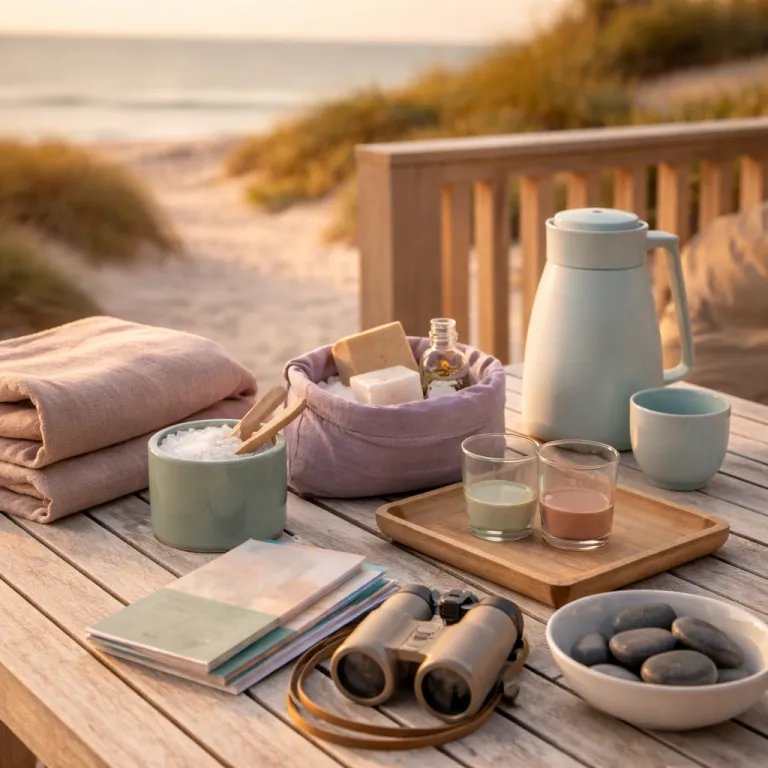
Slow luxury on the coast of South Africa is not a marketing slogan; it is a deliberate, unhurried rhythm that shapes every hour of your stay. In this new era of relaxed coastal indulgence, the most coveted amenity is not a bigger pool but the freedom to let the day unfold without a schedule, with the Atlantic or Indian Ocean setting the pace instead of a clipboard. For a honeymoon or anniversary holiday, that shift matters because it turns a trip south into shared ritual rather than a checklist of activities.
Nomad Africa Magazine’s framework on the new pillars of South African tourism describes “a travel style emphasizing relaxation, quality experiences, and connection with local culture and nature”, and that definition captures the essence of these coastal retreats. On the ground, it means fewer compulsory activities and more space for long breakfasts, second coffees, and lingering over wine as the light changes on the mountain or the beach. It also means that a luxury hotel or lodge on the coast now behaves more like a refined, small-scale retreat, where the view and the conversation carry as much weight as any formal excursion.
For couples used to the pace of a luxury safari in Sabi Sands or another game reserve, the coastal version of slow travel feels familiar yet softer around the edges. Instead of two daily game drives, you might have two daily tides, with a morning walk replacing the dawn drive and a late afternoon swim taking the place of the sundowner stop in the bush. The same principles that define a great private game experience in South Africa — attentive staff, intuitive service, and a sense of seclusion — now define many of the best coastal hotels from Cape Town to the Eastern Cape and along the Garden Route, even if the daily rhythm is gentler and less scripted.
From Glencairn to Maputaland: three coastal stays rewriting the script
The clearest expression of unhurried coastal luxury in South Africa right now sits in a restored heritage villa above the bay in Glencairn, where Tintswalo Summer House has been conceived as a residence for longer stays rather than a quick weekend. Here, the rhythm is closer to a private holiday home than a traditional hotel, with couples encouraged to settle in for several days, unpack properly, and treat the ocean view as their main daily appointment. Typical stays run to three or four nights, with flexible breakfast hours and no fixed activity schedule; staff quietly arrange wine tastings, transfers into Cape Town, or a day trip to the Cape Winelands, but there is no pressure to leave the terrace if the light over False Bay feels like enough.
Farther up the Western Cape coastline, Kalliste Boutique Stays curates intimate coastal addresses for couples who want the comforts of a luxury South African stay without the formality of a large hotel. Properties in small-town settings along the Garden Route and near the Cape Winelands offer kitchens for slow breakfasts, fireplaces for winter evenings, and easy access to both beach and mountain trails. These stays echo the best elements of a safari lodge — privacy, attentive hosts, and a sense of being held — but swap game drives for tidal pools, wine farm lunches, and unhurried walks along quiet sands, often with a recommended minimum stay of two or three nights to encourage deeper immersion.
On the Maputaland coast, Thonga Beach Lodge and the newer GweGwe Beach Lodge inside Mkambati Nature Reserve show how a beach lodge can borrow the structure of a luxury safari without importing its rush. Days here are shaped by the ocean and the national park rather than a rigid timetable, with snorkelling, guided walks, and turtle tracking offered but never forced. For honeymooners, that balance between wild Africa and gentle pacing is powerful, because it allows one partner to head out on a morning activity while the other stays with a book and the sea view, both returning to share stories over wine at dinner, much as they might after a day in a private game reserve.
For readers wanting a broader sense of how coastal stays are evolving, a range of recent South African travel features and accommodation round-ups now map out which stretches of sand lean into this slower model. Many of these reports also highlight how certain town centres along the coast have matured, with better dining and wine lists that rival those of inland estates in the Cape Winelands. The through line is clear: the most interesting coastal properties are no longer chasing volume; they are courting time-rich guests who value depth over constant motion.
Why romance, whale season and the Overberg are leading the shift
Romantic travel has always been the testing ground for new forms of luxury in South Africa, and slow coastal stays are no exception. Honeymooners and anniversary couples are willing to invest in a luxury safari in Sabi Sands or another private game reserve, but they increasingly want the coastal leg of their trip south to feel just as intentional, not like an afterthought. That is why properties from Plettenberg Bay to the Whale Coast are redesigning their programming around longer stays, softer schedules, and more meaningful contact with the land and sea.
The Whale Coast, anchored by towns like Hermanus and the fynbos-rich Overberg, is quietly becoming the savvy choice for couples who prefer a natural low-stimulation window. The Marine in Hermanus has long used the July to November whale season as a draw, yet the real luxury in that period is the unhurried pace between sightings, when you can walk the cliff path, linger over lunch, and watch the light shift across the bay. A stay at a coastal lodge near Grootbos, where fynbos conservation meets five-star comfort as profiled in multiple independent travel features on the Overberg, shows how a coastal property can feel as immersive as a lodge experience in Sabi Sands, with guided walks replacing game drives and the Atlantic standing in for the bushveld.
Along the Garden Route, places like Simbavati Fynbos on Sea near Sedgefield and Waves of Grace in Herold’s Bay offer a different expression of slow coastal luxury. Here, the drama comes from the meeting of mountain and ocean, with panoramic views that rival the sweep from Table Mountain over Cape Town, yet the daily rhythm remains gentle. Couples might spend one day exploring nearby Plettenberg Bay or a section of the Garden Route National Park, then retreat to their lodge for a private dinner, echoing the way a safari lodge structures time between morning and evening activities, but with more freedom to skip an outing entirely if the weather or mood suggests staying in.
How to read the signals of genuine slow coastal luxury
For a South African couple booking online, the challenge is separating genuine slow coastal luxury from glossy marketing that still runs on a fast-paced model. The operational signals are subtle but legible: look for coastal hotels and lodges that emphasise longer minimum stays, flexible meal times, and the option to opt out of activities without guilt. Properties like Sandcastle Villa on the Sunshine Coast, with its private beachfront setting and villa-style service, or Strandloper Ocean in Paternoster, with its focus on ocean-facing suites and unhurried dining, embody this approach by treating each day as a canvas rather than a timetable, often suggesting three-night or longer stays so guests can settle into the slower rhythm.
Staff ratios tell another story, just as they do in a top-tier safari lodge in a private game reserve. A property that quietly maintains high staff-to-guest numbers — for example, a team of 20 to 30 staff for 10 to 15 guests at full occupancy — can offer the same intuitive service you might expect at a luxury safari lodge in Sabi Sands, where a guide remembers your preferred sundowner and a butler anticipates your return from game drives. On the coast, that translates into a team that adjusts breakfast to your whale-watching plans, arranges a last-minute wine tasting in the Cape Winelands, or sets up a private beach picnic without fanfare, typically within an upper four- to five-star price bracket.
Reading between the rates matters as much on the coast as it does when choosing a lodge in Sabi Sands for a luxury safari, and general guidance from South African hospitality analysts suggests looking beyond headline prices to what is included. Apply the same questions to a coastal stay: does the hotel or lodge talk about its relationship with the surrounding national park or marine reserve, its partnerships with local communities, and its approach to conservation? When the answers are clear and supported by specific examples or dates, you can be confident that your coastal holiday will feel as grounded in Africa as any time spent under the stars in the bush, even if your only game viewing that day is a pod of dolphins moving through the surf.
Key figures shaping slow coastal luxury in South Africa
- There is no single, universally accepted count of luxury coastal accommodations in South Africa, but indicative tallies from regional tourism authorities and industry directories suggest several dozen high-end coastal properties nationwide. Travellers should always consult the latest South African Tourism (SAT) annual reports and provincial tourism listings for updated, verified numbers.
- Recent hospitality commentary on South Africa’s four- and five-star segment points to average occupancy rates for upscale coastal hotels in the range of 65 to 80 percent, depending on season and region, indicating resilient demand for high-end coastal stays even outside traditional peak holiday periods.
- Industry data from global luxury travel consultancies and South African tour operators shows a marked rise in demand for personalised itineraries and slow travel, aligning with Ker & Downey’s observation in its “Redefining Luxury Travel” commentary (2020) that “luxury [is] no longer defined by opulence, but by how immersive and authentic an experience is”.