Weather in South Africa in July for luxury city and coastal stays
The weather in South Africa in July shapes every luxury stay, from glittering city towers to serene coastal retreats. This is the heart of winter weather, when daytime temperatures stay mild yet evenings turn crisp, especially in the south and interior. For a traveler based in South Africa looking to book a hotel, understanding africa weather patterns now is as important as comparing suites or spa menus.
Across much of south africa, July brings dry skies, clear light, and calm days that flatter ocean views and mountain silhouettes. In cape town and the wider western cape, the rainy season is still active, so you can expect cool days with passing showers and dramatic clouds over Table Mountain. These conditions mean the weather in South Africa in July can shift quickly between sunny breaks and soft rain, so premium hotels that offer both indoor lounges and sheltered terraces feel especially valuable.
Daytime temperatures in cape town usually sit in the low to mid teens in degrees Celsius, while inland cities often feel slightly warmer under bright winter sun. This africa south climate suits travelers who prefer cool air for urban exploration, wine tasting, and art gallery visits rather than intense summer heat. When you plan a trip that combines cape town with the cape winelands, the weather climate balance between rainy vineyard mornings and clear, golden afternoons can be deeply atmospheric.
Luxury booking platforms that specialise in south africa now highlight flexible cancellation policies, precisely because winter weather can occasionally disrupt flights or road access. After the severe flooding and snow that affected the Eastern Cape, the South African Weather Service and the National Disaster Management Center have urged travelers to stay informed about forecasts during the rainy season. For high end city and coastal stays, this means checking africa weather updates before you confirm non refundable rates, especially if your itinerary includes connecting flights or long drives.
Safari lodges, national parks, and July’s cool, dry clarity
For many guests, the weather in South Africa in July offers the best time to plan a safari focused trip. Across much of the north and north east, winter weather is dry, vegetation thins out, and animals cluster around waterholes, making sightings in every national park more frequent. In these regions of south africa, africa weather patterns favour clear, sunny days and cold nights, a combination that rewards thoughtful packing and careful hotel selection.
In and around kruger national reserves, daytime temperatures are pleasantly warm, often reaching the low to mid twenties in degrees Celsius. Early mornings and evenings can be very cool, so luxury lodges respond with heated vehicles, thick blankets, and hot water bottles, turning the chill into part of the experience. When you compare properties online, look for details about how they handle winter weather, from in room fireplaces to enclosed dining decks that protect you from wind while preserving views.
Many travelers consider africa july conditions the africa best season for wildlife, because the dry climate concentrates game along rivers and dams. The weather in South Africa in July also means fewer mosquitoes than in the rainy season, which can be reassuring for families and older guests. When you evaluate premium safari options, check whether your chosen national park area has gravel access roads that might be affected by rare cold fronts or localised showers.
High end booking sites increasingly highlight sustainability credentials alongside climate information, especially for lodges bordering a national park. If you are considering an exclusive private safari retreat, you can explore detailed reviews of properties such as the ultimate private safari retreat in Sabi Sand. These reviews often explain how properties adapt to africa weather shifts, from water management in the dry season to emergency planning in case of unseasonal storms.
Coastal contrasts: cape town, the western cape, and the northern cape
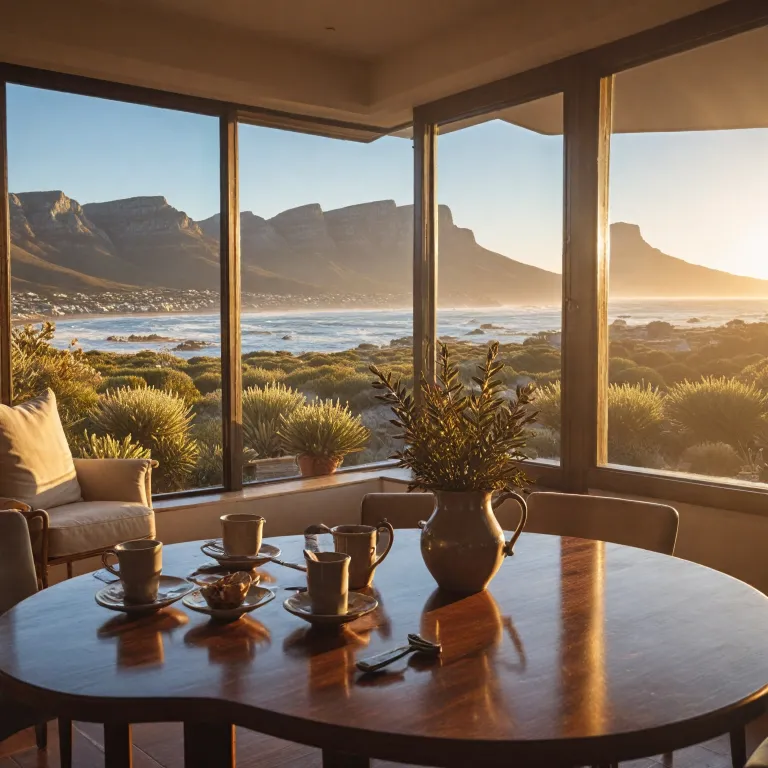
The weather in South Africa in July creates striking contrasts along the coastline, which directly influence luxury and premium hotel choices. In cape town and the broader western cape, this is the cool, wet season, with frontal systems bringing rain, wind, and dramatic seas. Yet between showers, the city often enjoys luminous, sunny days that make the Atlantic sparkle and Lion’s Head glow against a crisp blue sky.
Daytime temperatures in cape town during africa july rarely feel harshly cold, but the combination of wind and moisture can make evenings feel sharper than the numbers suggest. Travelers who value spa facilities, heated pools, and in house dining will find that winter weather enhances the appeal of full service properties. When you browse a luxury booking website, pay attention to whether rooms offer effective heating, double glazing, and sheltered balconies, because these details transform a rainy afternoon into a cosy, indulgent interlude.
Further north, the northern cape coastline and interior experience a much drier winter climate, with clear skies and large temperature swings between day and night. Here, the weather in South Africa in July often means warm, sunny days ideal for road trips, stargazing, and desert landscapes, followed by cold, still nights. If your trip includes both the western cape and northern cape, you will move between rainy season conditions and almost desert like dryness within a few days.
Premium platforms that focus on africa south itineraries now integrate climate data, helping you align your route with the best time for each region. For travelers who want refined stays in wine country, articles such as elegance redefining luxury and premium hotel booking in the Cape explain how properties adapt to winter weather. By combining this insight with official weather south updates, you can design a journey that balances rainy vineyard tastings with clear, golden drives through open countryside.
Kwazulu Natal, the south coast, and warm winter escapes
While much of the country feels firmly in winter, the weather in South Africa in July along the Kwazulu Natal coastline often feels surprisingly gentle. Durban and the surrounding south coast enjoy a humid subtropical climate, which means relatively warm days and mild nights even in the coolest season. For travelers who dislike cold, this region of south africa offers a comfortable compromise between summer heat and inland chill.
Daytime temperatures along the Kwazulu Natal shoreline frequently reach the low twenties in degrees Celsius, with plenty of sunny days and only occasional showers. Sea temperatures remain swimmable for many guests, especially those used to cooler Atlantic waters in cape town. When you search for luxury hotels here, prioritise properties with sea facing rooms, shaded pools, and direct beach access, because the africa weather encourages long, relaxed afternoons outdoors.
Inland, the Drakensberg and nearby national park areas experience colder nights and crisp, clear mornings, which suit hiking and scenic drives. The weather in South Africa in July here is generally dry, but sudden cold fronts can bring mist, frost, or even snow to higher passes. Premium lodges respond with fireplaces, underfloor heating, and hearty cuisine, turning the winter weather into a reason to linger indoors after a day on the trails.
For a multi region trip that combines cape town, Kwazulu Natal, and perhaps a kruger national safari, timing becomes crucial. Africa july patterns mean you can enjoy warm coastal days, cool wine country tastings, and dry, sunny game drives within a single itinerary. When booking, use platforms that clearly explain weather climate expectations for each stop, so you can pack intelligently and choose room categories that match your tolerance for cold or heat.
Safety, extreme events, and resilient luxury travel planning
The weather in South Africa in July is usually stable, but recent extreme events have highlighted the importance of informed planning. The Eastern Cape’s severe flooding and snow showed how quickly africa weather can turn, even in a season generally associated with dry conditions. In response, the South African Weather Service, the Eastern Cape Provincial Government, and the National Disaster Management Center have strengthened early warning systems and public communication.
For luxury travelers, this means that checking official weather south alerts should sit alongside reading hotel reviews and comparing rates. Authorities now emphasise three simple guidelines for visitors during the rainy season in vulnerable regions : "Avoid travel to flood-affected areas during the rainy season.", "Stay informed about weather forecasts and warnings.", "Follow guidance from local authorities during severe weather events." These recommendations apply whether you are driving to a remote national park lodge or transferring between cape town and smaller towns in the western cape.
When you evaluate premium properties, look for evidence of robust contingency planning for winter weather and other disruptions. Many high end hotels in south africa now outline their emergency procedures, backup power systems, and communication protocols on their websites. This transparency builds trust and aligns with a broader shift toward resilience in africa south tourism, especially as the frequency of extreme events increases.
Travelers who value sustainability can also explore how properties manage water, energy, and land use in a changing climate. Curated resources on South Africa’s finest eco luxury hotels show how leading establishments adapt to africa weather variability while maintaining comfort. By combining this information with up to date forecasts, you can design a trip that respects both the environment and your own safety expectations.
Using weather insights to choose the right luxury hotel
For a traveler based in South Africa, the weather in South Africa in July should guide not only destination choices but also the type of luxury property you select. In cape town and the western cape, where rainy season fronts roll through, hotels with strong indoor amenities become especially appealing. Think heated pools, extensive spa facilities, and restaurants that offer panoramic views without exposing you to wind or rain.
In drier regions such as the northern cape or safari areas near kruger national reserves, the focus shifts toward outdoor spaces that maximise sunny days. Here, daytime temperatures are often warm enough for poolside relaxation, while nights invite stargazing from fire pits or private decks. When browsing booking platforms, pay attention to how each property describes its response to winter weather, from providing blankets on game vehicles to offering late checkout on particularly cold mornings.
For itineraries that combine multiple regions of south africa, consider how africa july patterns vary between coast, interior, and highlands. The best time to stay in cape town might coincide with a slightly cooler spell in Kwazulu Natal, while a national park further north enjoys ideal dry season game viewing. By aligning your route with regional weather climate trends, you can enjoy warm afternoons in one area and crisp, fireplace evenings in another without feeling rushed.
Finally, use flexible booking options to hedge against unexpected africa weather disruptions, especially if your trip involves smaller airports or mountain passes. Many premium platforms now allow date changes without heavy penalties, reflecting a broader understanding of climate risk in africa south tourism. With thoughtful planning, the weather in South Africa in July becomes an ally, shaping a layered journey through city lights, coastal storms, and sunlit savannas.
Key statistics on recent severe weather impacts
- Confirmed deaths due to flooding in the Eastern Cape reached 101 people, underscoring the potential severity of winter weather systems.
- Estimated cost for infrastructure rebuilding after the floods was 288 million USD, highlighting the financial impact of extreme africa weather.
- Approximately 4 000 people were displaced during the event, a reminder that even the dry season can bring significant disruption in parts of south africa.
Essential questions travelers ask about July weather
What caused the severe flooding in South Africa in June 2025?
What caused the severe flooding in South Africa in June 2025? The flooding was triggered by heavy rains and snow from a cold front that struck the Eastern Cape province starting June 9, 2025.
How many people were affected by the June 2025 floods in South Africa?
How many people were affected by the June 2025 floods in South Africa? Over 4,000 people were displaced, and at least 101 people died due to the floods.
What measures are being taken to prevent future flooding disasters in South Africa?
What measures are being taken to prevent future flooding disasters in South Africa? The government is investing in improved infrastructure, early warning systems, and community education to enhance disaster preparedness and resilience.