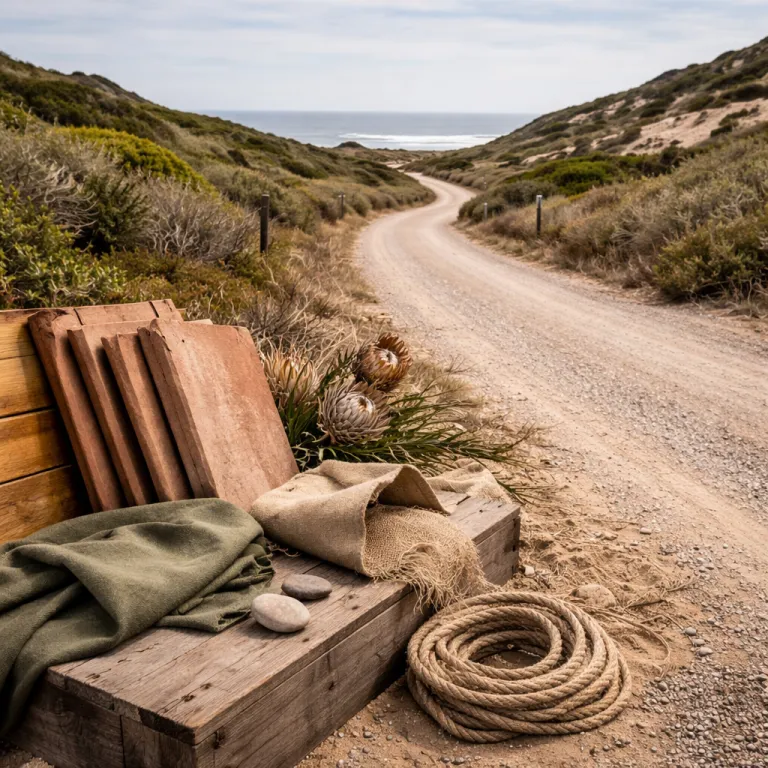
Reframing Garden Route luxury accommodation as a six stop coastal arc
Most travellers race the Garden Route in a blur of one night stays. For a South African traveller who knows the drive from Cape Town, the real luxury lies in slowing the route south and letting each coastal house, lodge or manor house feel like a destination in itself. Think of Garden Route luxury accommodation as six distinct chapters rather than a single long transfer between cities in South Africa.
The geography shapes everything, from Hermanus and Mossel Bay through George, Knysna and Plettenberg Bay to the forests near Storms River. This coastal route in the Western and Eastern Cape covers roughly 400 km between Mossel Bay and Storms River if you include detours to viewpoints and towns, yet the most rewarding itineraries stretch those kilometres into six days of measured travel, with room night counts that favour two or three nights including long afternoons. That rhythm lets you arrive early, unpack properly in your chosen hotel or guest house, and actually use the swimming pool, spa or wine tasting deck instead of just admiring them on the way to dinner.
Local tour operators confirm that demand is rising for personalised, slower journeys along this route south. One expert summary from South African Tourism captures it neatly: "Spring and autumn offer mild weather and fewer crowds." That seasonal window, combined with careful spacing of your accommodation choices, turns Garden Route luxury accommodation into a sequence of coastal retreats where the road itself feels like an extension of each property’s grounds.
Cape Town to Hermanus and Mossel Bay: where the ocean sets the pace
Leaving Cape Town, the temptation is to push straight to Knysna or Plettenberg, but that skips the Atlantic and Walker Bay drama that frames the first part of the route. A more indulgent approach is to treat Hermanus as your prologue, staying two nights in a clifftop house where every room night is about sea air, long walks and local wine. Properties in this stretch of South Africa often feel more like private country house retreats than conventional hotels, with only a handful of rooms and staff who remember your preferred vintage by the second evening.
Birkenhead House in Hermanus is the benchmark here for high end coastal stays, even if it technically sits just before the classic Garden Route signboards. Its rooms face the bay with uninterrupted views, and the atmosphere is closer to a relaxed manor house than a formal city hotel, which suits a traveller starting or ending a longer route south. Around two hours of driving from Cape Town (about 120 km via the N2 and R43, according to the Western Cape tourism route planner) is enough on day one, leaving a full afternoon for wine tasting in the Hemel en Aarde valley and a sunset swim in the small cliffside swimming pool.
From Hermanus, continue along the coast to Mossel Bay, a four to five hour journey of roughly 350 km if you return to the N2 and allow for scenic pauses. Planning a coffee stop or lunch break helps keep the pace relaxed and matches the slower rhythm recommended by South African Tourism for self drive holidays. Mossel Bay itself can disappoint if you stay near the busiest strip, so look for a beach lodge or guest house on the quieter outskirts where the view hotel style panoramas take in both sea and fynbos garden. This is also the first point where you really feel the transition from the metropolitan energy of Cape Town to the softer, more rural character of the Garden Route in South Africa, a shift that sets the tone for the rest of your luxury accommodation choices.
For travellers interested in how this coastal rhythm connects with inland safari stays, a useful perspective on Kruger adjacent luxury can be found in this analysis of Sabi Sabi’s evolving high end model, which mirrors the same move toward longer, more immersive stays.
George and Fancourt: when the fairway becomes your front garden
George is often treated as a refuelling stop on the Garden Route, yet for golfers and spa loyalists it deserves a full two or three night stay. The Fancourt estate, technically a resort rather than a simple lodge, turns Garden Route luxury accommodation into a parkland experience where manicured greens replace the beach but the mountains and nature remain firmly in view. Here, the route south pauses and the property itself becomes your primary landscape, with rooms and suites arranged around fairways, lakes and a central manor house that anchors the experience.
Fancourt’s original manor house offers some of the most characterful rooms on the estate, with high ceilings, deep baths and a sense of old world South Africa that contrasts with the more contemporary hotel wings. For a South African traveller used to quick business trips, booking a minimum of two room night stays here changes the feel completely, allowing time for a full round of golf, a long spa session and an unhurried wine tasting in the evening. Families appreciate the space too, as the grounds function almost like a private nature reserve for children, with safe lawns and walking paths that keep everyone outside and away from screens.
Driving wise, George sits roughly 50 km from Mossel Bay, or about 40 minutes via the N2 in normal conditions, which keeps the day short and the transition gentle. That leaves enough daylight to check in, explore the garden like grounds and still make a late afternoon tee time or swim in the main swimming pool before dinner. If you are curious how this kind of residential scale luxury is reshaping South African hospitality more broadly, it is worth reading about the rise of private residences within top hotels, a trend that echoes the country house feel many travellers now seek along the Garden Route.
Knysna and Pezula: lagoon light, forest air and elevated viewpoints
Knysna marks the point where the Garden Route’s reputation for beautiful scenery finally matches the marketing photographs. The town curves around a sheltered lagoon, with the Knysna Heads guarding the entrance to the bay and forested hills rising behind, creating a natural amphitheatre for some of the region’s most atmospheric hotels and guest houses. For Garden Route luxury accommodation that feels both coastal and elevated, Pezula Resort and its surrounding lodges are the clear standouts.
Pezula sits on a headland east of Knysna, with rooms and suites that look either toward the ocean or back over the lagoon and golf course, giving you a choice of view hotel perspectives. The resort’s layout, with villas scattered through indigenous garden plantings, makes it feel more like a low density nature reserve than a conventional hotel complex, and that sense of space is a major part of its appeal. Two or three nights including at least one slow morning on your terrace is the minimum here, especially if you want to balance golf, spa time, short forest walks and perhaps a boat trip on the lagoon.
Knysna itself offers a range of smaller hotels, guest houses and self catering accommodation options, many of them family friendly without sacrificing a sense of luxury. When comparing hotels in this part of South Africa, pay close attention to how taxes and fees are presented in the final rate, as some properties quote a room night price that excludes local levies while others show a total per night including all charges. For a South African traveller used to domestic booking platforms, that transparency can be the difference between a relaxed check out and an unwelcome surprise at reception, especially on longer multi stop itineraries along the route.
For a broader view of how premium booking platforms are evolving in the country, this overview of Cape based luxury booking trends offers useful context that applies equally to Knysna and the wider Garden Route.
Plettenberg Bay and Tsala: treetops, tides and the art of staying put
Plettenberg Bay is where many South African travellers finally stop treating the Garden Route as a corridor and start treating it as a holiday. The town’s long beaches, sheltered coves and surrounding nature reserves create a natural pause point, and the quality of Garden Route luxury accommodation here rewards a stay of at least three nights. The Plettenberg, perched above the main bay, is the archetypal view hotel, with rooms that frame the ocean so completely you may find yourself skipping planned drives just to watch the light change.
For a different angle on Plettenberg Bay, Tsala Treetop Lodge sits inland among indigenous forest, turning the focus from beach to canopy while still keeping the ocean within easy reach. Each lodge suite is suspended above the forest floor with private decks and plunge pools, creating a sense of seclusion that feels closer to a game reserve treehouse than a coastal hotel, yet you are only a short drive from cafés, wine farms and the beach. Families often split their stay between The Plettenberg and Tsala, using the former as a base for beach days and the latter as a retreat for quieter nights, which keeps both adults and children engaged.
The wider Plettenberg area also offers excellent guest house and country house options, some on working farms where wine tasting and farm to table dinners are part of the nightly rhythm. When comparing accommodation here, consider whether you want to be able to walk to the beach or prefer a more rural setting with views over garden landscapes and distant hills. Either way, Plettenberg Bay is the point on the route where you should resist the urge to move on quickly, because the combination of nature, food and relaxed luxury is hard to match elsewhere in South Africa.
Tsitsikamma and Storms River: forests, suspension bridges and the final stretch
Beyond Plettenberg Bay, the Garden Route narrows into the forests and ravines of Tsitsikamma, where the N2 slices through some of the most dramatic coastal scenery in South Africa. This is where the road itself genuinely feels like part of the property, with viewpoints, short trails and picnic spots turning even a two hour drive into a day’s worth of experiences. Storms River village and the nearby Tsitsikamma section of the Garden Route National Park, managed by SANParks, offer a handful of lodges and guest houses that make ideal bases for two nights of hiking, kayaking and quiet evenings under tall trees.
Accommodation in this stretch tends to be simpler than in Plettenberg or Knysna, but the best options still deliver a sense of luxury through space, warmth and proximity to nature. Look for a lodge or country house style property with generous rooms, fireplaces for cool nights and easy access to the suspension bridge trails and coastal viewpoints, rather than focusing solely on star ratings. Some travellers pair Tsitsikamma with a nearby game reserve stay, driving inland after Storms River to spend a few nights in a malaria free safari lodge, which rounds out the route with wildlife and completes the classic South Africa triad of city, coast and bush.
As you plan this final segment, remember that the total distance of the six stop route is modest, but the cumulative experiences are dense. Keeping daily drives to two or three hours where possible, choosing Garden Route luxury accommodation that invites lingering and being honest about which towns feel overbuilt or underwhelming will protect the sense of calm you came for. In the end, the measure of success is not how many hotels you can tick off, but how many mornings you wake up feeling that the garden, bay, forest or beach outside your window is yours alone, at least for that one quiet night.
FAQ: planning a slower luxury journey along the Garden Route
What is the best time of year to travel the Garden Route for a luxury stay ?
Spring and autumn bring mild temperatures, fewer crowds and reliable driving conditions, which suit a slower six stop itinerary. These seasons also align with fynbos flowering (typically August to October, according to CapeNature) and good whale viewing around Hermanus from June to November, plus quieter beaches in Plettenberg Bay. Summer can be lively and fun, but peak demand pushes prices up and makes last minute luxury accommodation harder to secure.
How many nights should I spend in each stop along the route south ?
For a genuinely relaxed Garden Route luxury accommodation experience, plan at least two nights in Hermanus or Mossel Bay, two or three nights in George or Knysna, three nights in Plettenberg Bay and two nights in Tsitsikamma. That structure turns a simple road transfer into a layered holiday, with enough time to enjoy each hotel, lodge or guest house. Single night stays are best reserved for unavoidable transit points rather than your main coastal retreats.
Are guided luxury tours available, or is self drive better for this region of South Africa ?
Both options work well, and the choice depends on how comfortable you feel driving and parking at multiple hotels. Self drive offers maximum flexibility for spontaneous stops at viewpoints, wine farms and nature reserves, which many South African travellers value. Guided luxury tours, often using private drivers and curated lodges, remove all logistical stress and can be ideal if you prefer to focus entirely on the scenery and service.
What types of activities can I expect near these coastal lodges and hotels ?
The Garden Route combines beach time, forest walks, lagoon cruises and mountain viewpoints, so your daily activities can be as active or relaxed as you wish. Popular options include wine tasting near Hermanus and Plettenberg, hiking in Tsitsikamma, golf at Fancourt or Pezula, and occasional day trips to nearby game reserves for wildlife viewing. Many properties also offer on site spas, heated swimming pools and curated nature experiences that make staying on the property just as appealing as heading out.
How should I budget for taxes and fees when booking Garden Route luxury accommodation ?
When comparing room night rates across hotels and lodges, check whether the quoted price is per night including all taxes and fees or whether local levies are added at checkout. Some properties in South Africa advertise an attractive base rate that excludes these charges, which can distort comparisons on booking platforms. Reading the detailed rate breakdown and inclusions carefully will help you avoid surprises and choose the accommodation that genuinely fits your budget and expectations.
Key travel data for a six stop Garden Route itinerary
Approximate driving distances and times (one way, via main routes):
Cape Town – Hermanus: 120 km / 2 hours; Hermanus – Mossel Bay: 350 km / 4–5 hours; Mossel Bay – George: 50 km / 40 minutes; George – Knysna: 60 km / 50 minutes; Knysna – Plettenberg Bay: 35 km / 30 minutes; Plettenberg Bay – Storms River: 70 km / 1 hour. Distances are rounded and based on typical self drive routes recommended by Western Cape tourism authorities and SANParks access roads.
Suggested minimum stays and price bands:
Hermanus or Mossel Bay: 2 nights; George or Knysna: 2–3 nights; Plettenberg Bay: 3 nights; Tsitsikamma: 2 nights. Luxury guest houses and boutique hotels along this route typically range from mid to upper price brackets for South Africa, with peak season rates higher in December and early January and more value in shoulder months.
Booking lead times and practical tips:
For peak school holiday periods, aim to book preferred properties three to six months in advance, especially for small lodges with limited rooms. Outside those dates, one to three months is usually sufficient, though SANParks and CapeNature managed areas near Tsitsikamma and coastal reserves can still fill quickly over long weekends. Always confirm whether rates include breakfast, conservation fees and local tourism levies before finalising your itinerary.