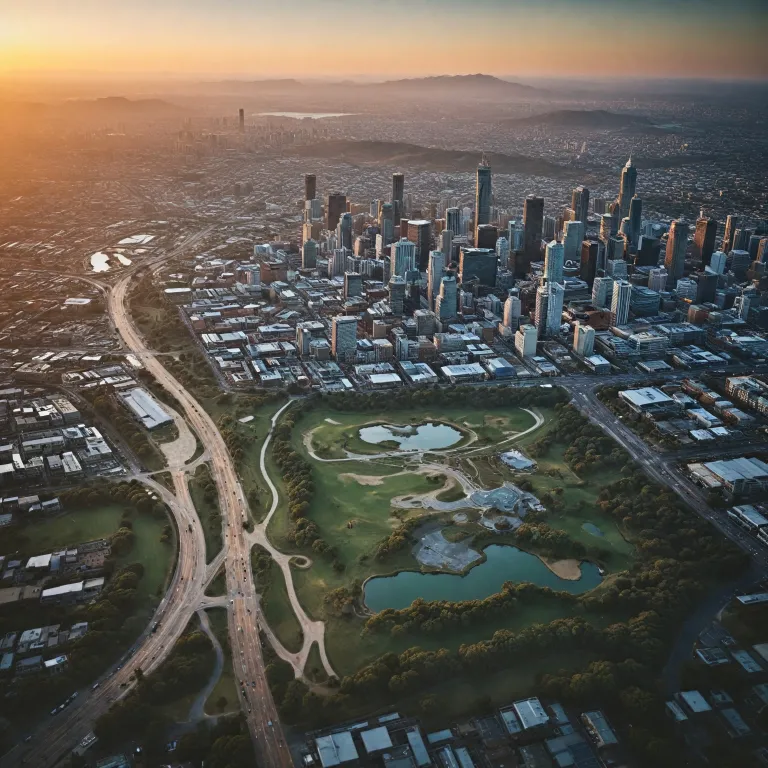
Understanding where Johannesburg sits in South Africa’s travel landscape
To answer the question of where Johannesburg is located in South Africa, imagine the country’s map as a triangle and look toward the elevated inland plateau. The city lies in the north east on the Highveld, forming the vibrant heart of Gauteng, which is the smallest yet largest economic province in South Africa. This elevated position gives Johannesburg a mild subtropical highland climate, which many south african travelers appreciate for urban breaks.
Johannesburg grew along the Witwatersrand, a ridge rich in gold deposits that transformed a mining camp into today’s sprawling Johannesburg metropolitan region. When you study a detailed map, you will see how the Johannesburg city area stretches south toward Johannesburg South and north toward Sandton, forming a continuous urban fabric. This central position makes the city Johannesburg a natural hub for both leisure and business itineraries across the wider city south and Highveld.
From a national perspective, Johannesburg is inland, far from the Cape coastline and iconic Cape Town, yet well connected to both the north west interior and the southern seaboard. The Johannesburg served air network and road system link the city centre to every major south and africa gateway, which is invaluable when planning multi stop luxury stays. Understanding precisely where Johannesburg is located in South Africa helps you judge travel times between the central business core, safari reserves, and coastal retreats.
Key districts from Sandton to Johannesburg South for premium stays
On any map of the Johannesburg metropolitan area, Sandton stands out as the polished financial and business district that many luxury travelers choose first. This node north of the historic city centre has become the de facto central business hub, with gleaming towers, high end malls, and refined hotels. For a traveler asking where Johannesburg is located in South Africa, it is helpful to see Sandton as the modern face of the city Johannesburg.
Further south, Johannesburg South offers a different rhythm, with leafy suburbs and golf estates that appeal to guests seeking space and privacy. These city south neighborhoods sit closer to townships such as Soweto, allowing curated excursions that explore apartheid history and contemporary culture. When comparing districts, many south african travelers pair a stay in Sandton with time in quieter Johannesburg South areas to balance energy and calm.
The traditional city centre still houses important civic buildings and heritage sites, and ongoing urban renewal is reshaping this historic Johannesburg city core. Luxury and premium properties increasingly position themselves between the central business grid and emerging creative quarters, giving guests easy access to both commerce and culture. Understanding how these districts relate on the Johannesburg map will help you choose locations that minimise transit time yet maximise your experience of south africa’s most dynamic city.
Air gateways, taxis, and minibus taxis for navigating the city
Johannesburg is served by O. R. Tambo International Airport, the primary international airport for south africa and a major hub for the wider africa region. Located east of the Johannesburg metropolitan core, this gateway connects the city to global capitals and regional centers across the north west and beyond. For many itineraries, understanding where Johannesburg is located in South Africa begins with flight paths into this busy airport.
From O. R. Tambo International, premium travelers typically rely on hotel cars or regulated metered taxis to reach Sandton, the city centre, or Johannesburg South. These metered taxis offer predictable pricing and are generally preferred over informal minibus taxis for guests carrying luggage or valuables. While minibus taxis form the backbone of local commuting across the Johannesburg city and wider Gauteng region, they can feel overwhelming to visitors unfamiliar with routes.
Within the central business and business district zones, many luxury hotels arrange private transfers that move efficiently between city nodes, airport, and attractions such as the Apartheid Museum and Constitution Hill. “Exercise caution in certain areas due to safety concerns,” and “Utilize reputable transportation services,” are standard advisories that remain relevant for south african and international guests alike. When you understand where Johannesburg is located in South Africa and how the Johannesburg served transport grid functions, you can plan seamless movements between the city Johannesburg, safari lodges, and coastal retreats.
Cultural landmarks from Soweto to the Apartheid Museum
Johannesburg is known for its rich history, being the economic hub of South Africa, and landmarks like the Apartheid Museum and Nelson Mandela's former residence. The city grew from gold rush origins on the Witwatersrand into a complex urban tapestry where memory and modernity intersect. For travelers asking where Johannesburg is located in South Africa, its cultural geography is as important as its physical coordinates on a map.
South west of the city centre lies Soweto, a vast township that played a pivotal role in the struggle against apartheid. Here, the black population shaped political movements that changed south africa, and guided tours now interpret this legacy for visitors. Many itineraries combine Soweto with the nearby Apartheid Museum, where curated exhibits trace the country’s journey toward democracy and a new south african identity.
In the inner Johannesburg city, cultural institutions and galleries highlight contemporary african art, fashion, and design, reflecting the largest urban economy in africa. Luxury travelers often stay in Sandton or the revitalised city centre, then venture out with private guides to these sites for deeper context. Understanding where Johannesburg is located in South Africa, between Cape Town, the north west interior, and regional capitals, helps position these experiences within a broader continental narrative.
Stadiums, events, and the legacy of the FIFA cup
Johannesburg’s sporting infrastructure adds another layer to understanding where Johannesburg is located in South Africa on the global events stage. The city hosted key matches of the FIFA cup, using venues such as Ellis Park and the main park stadium complex that anchors its sporting identity. These arenas sit within reach of both the central business district and major hotel clusters, which is convenient for event focused stays.
The principal stadium near Soweto became an emblematic site during the FIFA cup, drawing fans from across africa and beyond to Johannesburg. In the inner city centre, Ellis Park and adjacent facilities continue to host rugby and football fixtures that attract passionate south african supporters. When you look at a map, these venues form a corridor between Johannesburg South, the business district, and the broader Johannesburg metropolitan area.
For luxury travelers, event calendars can influence where to stay within the city Johannesburg, especially when premium hotels near park stadium or Sandton fill quickly. Many properties offer packages that combine match tickets, transfers from O. R. Tambo International airport, and curated dining that highlights south african cuisine. Understanding where Johannesburg is located in South Africa, and how its stadium network relates to the central business grid, allows you to align travel dates with major fixtures while avoiding congestion.
Planning luxury hotel bookings with Johannesburg as your central hub
For a traveler based in south africa, knowing precisely where Johannesburg is located in South Africa helps position the city as a strategic hub for multi destination journeys. From the elevated Highveld, you can connect easily to Cape Town, the Cape Winelands, or safari reserves in the north west and beyond. Many premium guests use Johannesburg as a first or final stop, leveraging its Johannesburg served air and road links.
Within the Johannesburg metropolitan area, luxury hotels cluster in Sandton, the central business and business district zones, and select Johannesburg South suburbs. When comparing options, consider proximity to O. R. Tambo International airport, the city centre, and cultural sites such as the Apartheid Museum or Soweto. Detailed reviews and curated recommendations on platforms such as South Africa luxury hotel reviews and expert insights can help refine your shortlist.
Safety and logistics remain important, especially when moving between the city south, city Johannesburg core, and outlying attractions. “While Johannesburg offers many attractions, visitors are advised to stay vigilant, avoid certain areas, and follow local safety guidelines.” By combining reputable metered taxis, hotel transfers, and a clear understanding of the map layout, you can enjoy the energy of Johannesburg city while accessing the best of south and wider africa in comfort.
Key statistics and practical insights for Johannesburg based stays
When evaluating where Johannesburg is located in South Africa for your next premium stay, a few quantitative details help frame expectations. The city sits at an elevation of about 1 753 metres, which contributes to its pleasant summers and crisp, dry winters. This altitude also means that evenings can feel cooler than coastal Cape destinations, even when daytime temperatures are warm.
The broader Johannesburg metropolitan area is home to a population of roughly 4.8 million people, making it the largest urban concentration in south africa and one of the biggest in africa. This dense black and diverse south african urban fabric underpins a sophisticated hospitality sector, from grand city hotels in the central business grid to tranquil retreats in Johannesburg South. For travelers, this scale translates into extensive dining, shopping, and cultural options within the city Johannesburg.
Urban renewal projects in the city centre and technology driven growth in Gauteng continue to reshape the Johannesburg city skyline. “Johannesburg experiences a subtropical highland climate with warm summers and mild, dry winters.” With this context, and a clear sense of where Johannesburg is located in South Africa on the national map, you can time your visit, select districts from Sandton to Soweto, and book luxury hotels that align with both climate and culture.
Key statistics about Johannesburg for luxury travelers
- Population of Johannesburg : approximately 4 803 262 people in the wider urban area.
- Average elevation of the city : around 1 753 metres above sea level.
- Johannesburg’s origins : founded following the discovery of gold on the Witwatersrand.
Essential questions about Johannesburg answered
What is Johannesburg known for ?
Johannesburg is known for its rich history, being the economic hub of South Africa, and landmarks like the Apartheid Museum and Nelson Mandela's former residence. This reputation shapes the luxury hotel scene, which caters to both business and cultural travelers. Many guests use the city as a base for exploring wider South African attractions.
Is Johannesburg safe for tourists ?
While Johannesburg offers many attractions, visitors are advised to stay vigilant, avoid certain areas, and follow local safety guidelines. Choosing reputable hotels, using trusted transport, and seeking local advice from concierges all contribute to a secure stay. Most premium properties have robust security protocols that support confident urban exploration.
What is the climate like in Johannesburg ?
Johannesburg experiences a subtropical highland climate with warm summers and mild, dry winters. The altitude moderates temperatures, which many travelers find comfortable for city breaks. This climate also makes Johannesburg a practical year round hub for connecting to coastal and safari destinations.