Why Durban luxury oceanfront hotels deserve a second look
Durban has long watched Cape Town take the limelight, yet its warm Indian Ocean and subtropical air make a different kind of coastal escape. For a traveler based in South Africa, Durban luxury oceanfront hotels offer shorter flights, softer water temperatures, and a relaxed rhythm that feels more like a long exhale than a checklist of sights. When you compare the high low of Cape Town’s chilly Atlantic and Durban’s balmy currents, the appeal of a Durban beach stay becomes obvious.
The Golden Mile and wider Durban beachfront once meant ageing concrete blocks and predictable beach hotels, but a quiet renewal has reshaped the skyline. Today, hotels Durban side by side with residential towers frame the promenade, with renovated rooms, better pools, and a stronger sense of place that speaks to both leisure guests and business travelers. You still see the legacy of older hotel towers, yet inside many of these hotels the design, service, and food have moved decisively upmarket.
For South Africa based travelers, the value equation is compelling, because the average price per night at a comparable hotel Durban property often undercuts Cape Town’s Atlantic Seaboard. You can book generous ocean facing rooms, enjoy a proper swimming pool, and still have budget left for a night of fine Indian cuisine or a guided township tour. When you check availability across several Durban luxury oceanfront hotels, you will notice that midweek price per night bands are especially attractive outside school holidays.
Durban south of the harbour remains more industrial, yet the main leisure focus runs from the central Durban beach stretch up to Umhlanga Durban and beyond. Along this arc, you will find a mix of classic four and five star accommodations, family friendly resorts, and quieter adults oriented floors or wings. The trick is to read each review carefully, understand the rating context, and match the hotel’s personality to your own travel style rather than chasing the highest star count.
International guests often skip Durban entirely on a first South Africa itinerary, routing instead through OR Tambo and heading straight to the Cape or Kruger. That omission means missing the country’s most compelling Indian Ocean city, where Zulu heritage, Indian diaspora culture, and beach life intersect in a way no other South African city can replicate. For a South Africa based guest planning a multi stop journey, routing via King Shaka and combining Durban luxury oceanfront hotels with a bush stay can create a more layered and less predictable trip.
The Golden Mile reborn: from concrete strip to curated stays
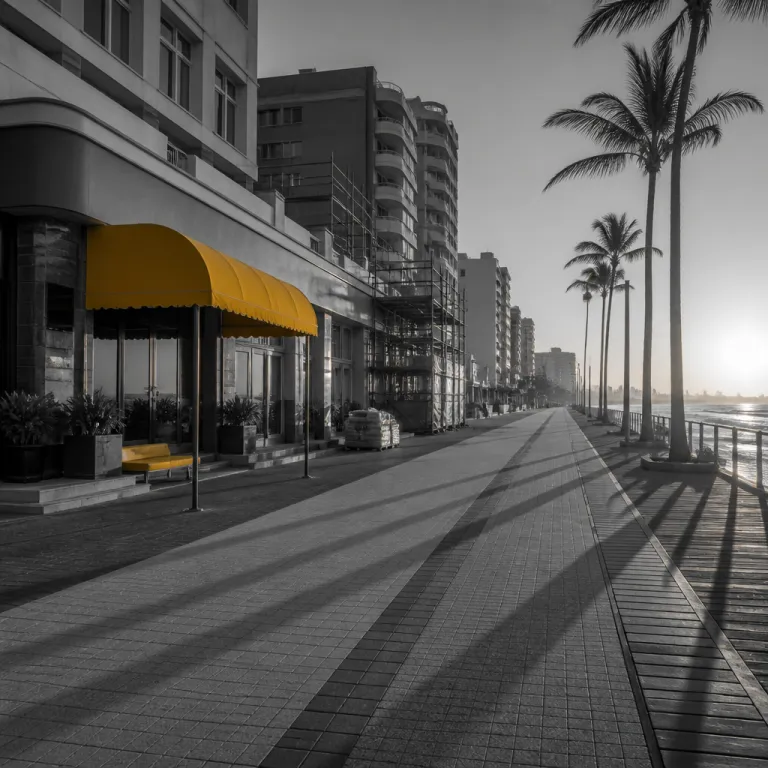
Walk the Durban beachfront promenade at first light and you will sense how much the Golden Mile has changed. Runners, surfers, and early rising guests share the same wide walkway, while renovated hotels Durban side now open directly onto the sand with cafés and pools that feel connected to the sea. This is no longer just a strip of anonymous beach hotels, but a corridor where each hotel tries to articulate its own version of coastal South Africa.
Properties such as Belaire Suites on the northern end of the Durban beach stretch show how a once functional block can evolve into a polished oceanfront address. Here, rooms are configured to maximise sea views, the pool deck feels like an urban resort, and the on site café draws both hotel guests and locals for long breakfasts. When you read online reviews, pay attention not only to the overall rating but to how guests describe noise levels, lift capacity, and the feel of the public spaces at night.
Further along the Golden Mile, Southern Sun hotels anchor several key corners, offering reliable four star accommodations with large swimming pool areas and family friendly layouts. These Southern Sun properties tend to attract a mix of adults, children, and group travelers, so a guest seeking quiet should request higher floors or end of corridor rooms when they check availability. The high low pattern of feedback in each review often reflects whether people stayed over a busy weekend or a calmer midweek night.
Closer to the Suncoast entertainment complex, the Suncoast Hotel and Towers combination has become a reference point for Durban luxury oceanfront hotels. The main Suncoast Hotel offers comfortable rooms and direct access to the casino and restaurants, while the adjacent Hotel Towers section provides a more exclusive feel with upgraded rooms and a quieter pool. For South Africa based travelers who enjoy integrated resorts, this cluster delivers beach access, dining, and nightlife without needing to drive across Durban south traffic.
Durban’s coastal renaissance also connects to a broader KwaZulu Natal story, where the province is repositioning itself as a dual beach and safari destination. The new all inclusive resort model on the North Coast, as explored in this analysis of the dual beach and safari format on the KZN North Coast, hints at how Durban luxury oceanfront hotels might integrate more tightly with nearby reserves. For a guest, that means you could feasibly land at King Shaka, spend a night on the Durban beachfront, and be in big five country by the following afternoon.
Umhlanga and beyond: the northern arc of quiet luxury
North of the city, Umhlanga Durban has become the shorthand for polished coastal living, with a skyline of glass towers and a sheltered beach that feels far from the city’s bustle. Here, Durban luxury oceanfront hotels lean into a more rarefied atmosphere, with manicured lawns, attentive service, and a guest mix that skews toward adults and well traveled families. The high low of tides on the Umhlanga beach mirrors the ebb and flow of visitors, with quieter weeks outside school holidays offering exceptional value.
The Oyster Box stands as the area’s grand dame, a red and white landmark facing the Umhlanga lighthouse and the open Indian Ocean. Within this hotel, rooms range from intimate garden facing spaces to expansive sea facing suites, while the pool terrace and second swimming pool create layered zones for different types of guests. Many reviews highlight the property’s sense of history and the warmth of its staff, reminding you that the true rating of a hotel often lies in how it makes you feel at night when the crowds have gone.
Just along the curve, the Beverly Hills hotel offers a more restrained, almost retro take on Durban luxury oceanfront hotels, with every room facing the sea and a calm, adults oriented ambience. Guests who value privacy and attentive yet unobtrusive service often gravitate here, accepting a higher price per night in exchange for that sense of seclusion. When you check availability, look for midweek offers that include breakfast or spa credits, as these can soften the high low swings in seasonal pricing.
Further north toward Ballito and the emerging North Coast strip, new hotels and serviced accommodations are appearing near quieter stretches of beach. These properties often emphasise free WiFi, secure parking, and flexible rooms that work for both short leisure breaks and longer remote work stays. For a South Africa based guest, this northern arc can feel like a softer alternative to the denser Durban beachfront, especially if you prefer to drive into the city only for specific dinners or events.
Choosing between Umhlanga and the central Durban beach zone is less about star rating and more about the texture of your stay. If you want a walkable promenade, a mix of casual and smart restaurants, and easy access to the city’s cultural sites, the Golden Mile or Suncoast area works well. If you prefer a self contained coastal village feel, with high low options from iconic addresses like the Oyster Box to newer apartments, Umhlanga Durban and the North Coast will likely suit you better, especially when paired with quieter off peak stays in places such as Plettenberg Bay during its off peak season.
Inside the stay: rooms, service, and the Durban dining edge
When you compare Durban luxury oceanfront hotels, focus first on the rooms and how they frame the sea, because that daily view will shape your entire stay. Some hotels Durban side offer compact but cleverly designed rooms with floor to ceiling glass, while others prioritise larger footprints, separate lounges, and balconies where a guest can sit outside at night. Reading detailed reviews will help you understand whether the high low of feedback relates to room size, maintenance, or simply mismatched expectations.
Service in Durban’s better hotels tends to be warm and genuinely friendly, reflecting both Zulu hospitality traditions and the city’s laid back rhythm. You will find that many staff members have worked at the same hotel Durban property for years, building relationships with repeat guests from across South Africa and beyond. Pay attention to how often reviews mention specific team members by name, as this usually signals a culture where the guest experience matters more than the formal star rating.
Durban’s Indian cuisine heritage gives its coastal hotels a dining advantage that no other South African city can quite match. From refined hotel restaurants serving delicate prawn curries to casual beach cafés offering bunny chows, the high low of dining options means you can eat exceptionally well without leaving the Durban beachfront. For adults who care about food, choosing accommodations with strong in house kitchens can transform a simple night away into a mini culinary break.
Facilities matter too, especially if you plan to spend long stretches on property rather than exploring wider Durban south neighbourhoods. Look for a proper swimming pool with enough loungers, reliable free WiFi that extends to outdoor areas, and thoughtful touches such as late checkout offers or day use rooms for evening flights. When you check availability, consider whether the price per night includes breakfast, parking, and access to wellness areas, as these inclusions can shift the value equation significantly.
For South Africa based travelers planning a longer journey that combines coast and bush, Durban can be a strategic first or last stop. The city’s proximity to reserves such as Hluhluwe iMfolozi and Phinda means you can move from Durban beach sunrise to big five sundowners in a single day, especially if you plan your driving times carefully. To understand how the country’s safari offering is evolving at the top end, it is worth reading this perspective on how Kruger’s centennial is reshaping the luxury safari contract, then using Durban luxury oceanfront hotels as a contrasting coastal counterpoint.
How to choose and book: reading reviews, weighing value, planning nights
Selecting between Durban luxury oceanfront hotels starts with clarifying what you want from each night, whether it is a quick work stopover or a slow coastal reset. Decide how many nights you will spend on the Durban beachfront versus Umhlanga Durban or the quieter North Coast, then match each segment to a hotel style that fits. A guest who values nightlife and easy Uber rides into the city will make different choices from one who wants early bedtimes and long beach walks at dawn.
When you read reviews, look beyond the headline rating and scan for patterns in how guests describe noise, cleanliness, and staff responsiveness. A cluster of comments about lifts, parking, or pool crowding can matter more than a single glowing or angry review, especially if you are travelling during peak South Africa school holidays. Pay attention to whether adults travelling without children felt comfortable in shared spaces, as this can be a useful proxy for how balanced the guest mix will feel.
Value in Durban often sits in the high low space between headline luxury names and more anonymous mid range hotels. You might find that a four star hotel Durban property with generous rooms, a good swimming pool, and reliable free WiFi delivers a better overall experience than a more expensive address trading mainly on its name. Comparing the price per night across several hotels Durban side by side, while factoring in inclusions such as breakfast and parking, will help you see where the real sweet spots lie.
Booking strategy matters too, especially if you are flexible on dates and room types. Use your preferred booking platform to check availability across multiple Durban beach and Umhlanga properties, then cross reference with direct hotel offers that may include added value such as spa credits or late checkout. For a South Africa based guest, signing up for local loyalty programmes can unlock quieter high low periods where rates drop yet the weather and sea remain inviting.
Finally, remember that the most meaningful rating of any stay is your own sense of how the place aligned with your expectations and travel rhythm. Durban luxury oceanfront hotels are not trying to be Cape Town; they are offering a warmer, more relaxed, and often better value second coast within South Africa. If you approach them on those terms, reading each review with that lens and choosing nights that suit your pace, Durban’s quiet return can become a recurring chapter in your personal South Africa travel story.
FAQ
Is Durban a good alternative to Cape Town for a coastal break ?
Durban works very well as a coastal alternative, especially for travelers who prefer warm water and a subtropical climate. The city’s beaches are swimmable for more months of the year than Cape Town’s Atlantic coast, and Durban luxury oceanfront hotels often offer better value at a similar star level. You also gain easier access to KwaZulu Natal game reserves, making it simpler to combine beach and safari in a single trip.
Which areas are best for luxury oceanfront stays in Durban ?
The main zones for Durban luxury oceanfront hotels are the central Durban beachfront, the Suncoast precinct, and Umhlanga Durban to the north. The Golden Mile and Suncoast area suit travelers who want a lively promenade and quick access to the city, while Umhlanga offers a more village like, self contained feel. Further north toward Ballito, you will find quieter coastal accommodations that work well for longer, more private stays.
How many nights should I spend in Durban on a multi stop South Africa trip ?
For a combined beach and safari itinerary, many South Africa based travelers find that two to four nights in Durban strikes a good balance. That allows time for at least one full beach day, a night focused on Indian cuisine, and a day to explore cultural sites before heading to the bush. If you are using Durban mainly as a stopover via King Shaka, even a single night at a well located oceanfront hotel can make the journey feel less rushed.
Are Durban’s oceanfront hotels suitable for adults seeking quiet stays ?
Several Durban luxury oceanfront hotels cater well to adults who prefer calmer stays, especially in Umhlanga and the higher floor sections of certain beachfront properties. When you read reviews, look for comments from couples or solo travelers about noise levels, pool atmosphere, and bar closing times. Booking outside school holidays and choosing rooms away from main pools or lifts will further increase your chances of a peaceful night.
How safe is it to stay along the Durban beachfront and Umhlanga coast ?
The main Durban beachfront and Umhlanga promenade are actively patrolled and generally feel comfortable during the day and early evening, especially around well known hotels. As in any South African city, you should follow standard precautions, such as avoiding isolated areas at night and using registered transport services. Choosing established hotels with good security practices and reading recent guest feedback will help you make informed, confident decisions.