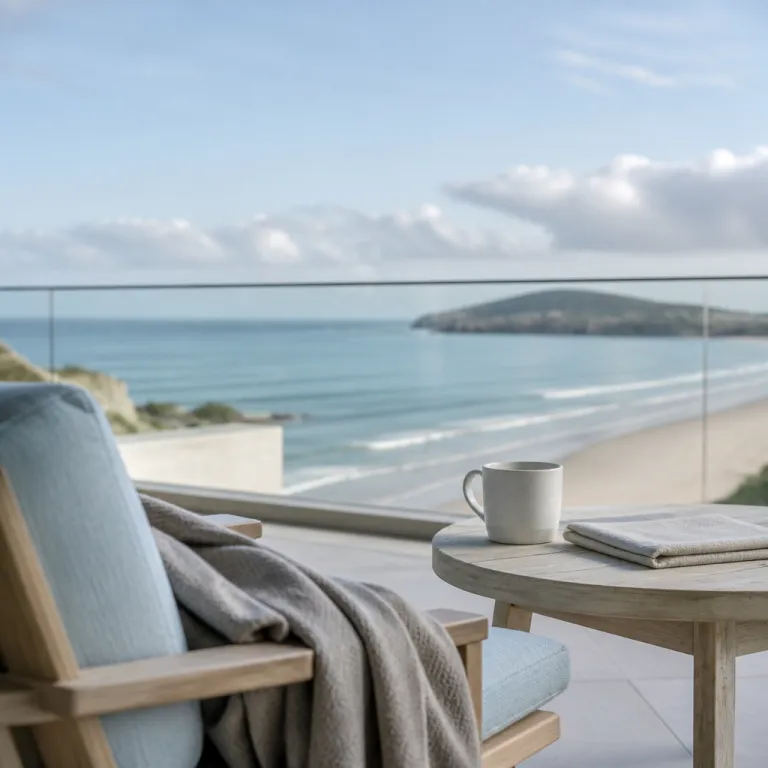
Plett in winter: why the bay finally breathes
Winter is when Plettenberg Bay finally exhales. From May to November the usual holiday traffic thins, and the Garden Route settles into a quieter rhythm that suits Plettenberg Bay’s luxury hotels perfectly. The result is a softer light over the bay, more attentive service in every property, and a sense that this corner of South Africa belongs back to its landscape rather than to peak-season crowds.
The Plettenberg hotel, perched on a rocky headland above the Indian Ocean, is the clearest expression of this shift. Part of the McGrath Collection curated by Liz McGrath, it offers luxury accommodation that feels deeply rooted in the south coast rather than in generic international styling. In winter the swimming pool terraces are calm, the views Plettenberg guests enjoy stretch from golden sand to distant sky, and the staff to guest ratio quietly favours those who have chosen the off peak season.
Plettenberg Bay Tourism Office frames it succinctly in its own guidance to travellers. “What is the off-peak season in Plettenberg Bay? May to November.” That simple line underpins a broader strategy to encourage year round travel, with lower accommodation options pricing and less crowded activities for South African guests who know the Garden Route but want it at its most legible.
For a traveller based in Cape Town, the appeal is practical as well as romantic. You trade the summer crush for clear winter days, mild south coast temperatures that typically sit between 8°C and 20°C, and a bay where whales, dolphins and forested hillsides replace the December party circuit. Revenue data from local stays shows how sharply demand drops in these months, and that dip translates directly into quieter hotels, more flexible suites availability, and staff who have time to remember your name.
This is when Plettenberg Bay’s wintertime retreats come into their own. The Plettenberg hotel feels like a private villa above the ocean, while inland properties such as Hunter's Country House and Tsala Treetop Lodge turn their focus to fireplaces, wine lists and slow garden walks. For South African travellers used to peak season Plett, the off peak version is not a compromise; it is the upgrade.
The Plettenberg: winter at the rocky headland
The Plettenberg hotel occupies arguably the most beautiful position in Plettenberg Bay. Its two main buildings sit on a rocky headland above the golden sand of Lookout Beach, with a front row view of the Indian Ocean that feels cinematic in winter light. When the crowds thin, the soundscape shifts to waves, wind and the occasional call of seabirds circling the bay sky.
Rooms and suites here are classic small luxury in the best sense, with a strong South African art collection and fabrics that echo the blues and greens of the ocean. Many suites open to private terraces where guests can watch humpback whales move along the Garden Route, turning a stay in Plett’s high-end hotels into an informal marine observatory. The two swimming pool decks, one heated, allow you to float almost level with the horizon while the views Plettenberg offers stretch from Robberg Peninsula to the distant Tsitsikamma mountains.
Being part of the McGrath Collection links The Plettenberg to sister properties such as The Cellars Hohenort in Cape Town, and that shared DNA shows in the service culture. Staff move with the unhurried confidence of an award winning coastal hotel, yet the tone remains relaxed enough for barefoot walks down to the beach. In winter the restaurant’s bay view windows become a stage for passing storms, and the menu leans into South African produce, from line caught fish to Karoo lamb.
For travellers comparing coastal bases along the Garden Route, this rocky headland location is a strategic asset. You are close enough to Main Street for easy access to Plettenberg restaurants, yet far enough above the town to feel removed from any remaining bustle. Off peak, when most attractions remain open but less busy, the hotel’s concierge can secure last minute tables and marine activities that would be impossible in high summer.
Planning a broader coastal journey, many South African guests now pair a few nights here with quieter Eastern Cape shores, using specialist guides to the Eastern Cape coast considered as an early Garden Route alternative. That combination of Plettenberg Bay’s winter hideaways and wilder eastern beaches creates a layered, year round coastal narrative. It is a way of travelling that values space, light and the long view over simple star ratings.
Beyond the headland: Hunter's, Tsala, Robberg and Emily Moon
Not every stay in Plettenberg Bay needs to be right on the ocean. In winter, the inland estates and river lodges around the town come into their own, offering luxury accommodation that trades sea spray for indigenous forest and fynbos garden scents. For many South African travellers, rotating between these properties over a long weekend gives Plettenberg Bay’s upmarket stays a sense of narrative rather than a single static stay.
Hunter's Country House sits in a manicured garden just off the main Garden Route, a short drive inland from the bay. Its thatched suites and family friendly villa style cottages feel like a country estate rather than a coastal hotel, with fireplaces, deep sofas and a swimming pool framed by roses and camellias. In winter the atmosphere is almost English in tone, yet the staff, wine list and menu remain firmly South African, grounding the experience in this part of Africa.
Next door, Tsala Treetop Lodge lifts guests into the forest canopy, with suites and villas suspended above a gorge that runs down towards the ocean. Glass walls frame views of sky and trees rather than bay and beach, and in colder months the fireplaces and private plunge pools become the focus. For many repeat visitors, this is the most beautiful way to experience Plettenberg Bay’s cool season, because you feel cocooned in nature while still being ten minutes from Robberg Beach or the restaurants in town.
Closer to the waterline, The Robberg Beach Lodge offers direct access to long arcs of golden sand and a more casual, beach house interpretation of luxury hotels style. Its accommodation options range from compact rooms to larger suites with partial ocean views, making it a flexible choice for South African families or groups of friends. A short drive inland along the river, Emily Moon River Lodge faces west over wetlands and sky, turning every winter sunset into a slow performance reflected in the water.
For travellers who prioritise quiet, these properties often outperform more central hotels even in off peak months. They also pair beautifully with other low key coastal stays along the Garden Route’s quiet coast, where curated beachfront lodges focus on waves rather than neighbours. Taken together, they show how Plettenberg Bay’s winter luxury scene can be both varied and coherent, offering a spectrum of views, activities and atmospheres within a compact radius.
Whales, seals and winter light: the marine season
Winter is when Plettenberg Bay’s marine life takes centre stage. The bay becomes a corridor for humpback and southern right whales moving along the south and east coasts of South Africa, often visible from hotel terraces before you even book a boat. For guests staying at Plettenberg Bay’s top-end hotels, this means the ocean is not just a backdrop but a daily narrative.
The Robberg Peninsula, that long rocky headland guarding the bay, is home to a large Cape fur seal colony that thrives in the colder months. Guided walks along the Robberg trails reveal sweeping views of the Indian Ocean, with dolphins surfing the break and whales breaching beyond the kelp lines. From the higher viewpoints, you understand why so many luxury hotels here orient their suites and public spaces towards the sea and sky rather than the town.
Marine activities continue year round, but winter brings a calmer, more focused energy to the operators. With fewer boats on the water, sightings feel less like a spectacle and more like a quiet privilege shared between a handful of guests and the animals themselves. Many South African travellers report that their most memorable whale encounters have come from off peak stays, when the bay is not competing with summer noise.
Back at The Plettenberg hotel, the swimming pool decks and sea facing suites become informal viewing platforms. Staff keep binoculars at hand, and it is not unusual for breakfast to pause as someone spots a distant breach beyond the golden sand. Inland at Tsala or Hunter's, the marine story continues in a different register, with day trips to the coast balanced by evenings beside fireplaces, tasting South African wines that speak of the broader Garden Route terroir.
If your wider journey includes a malaria free safari in the Eastern Cape, where some reserves now quietly outpace Kruger for certain travellers, the contrast is powerful. You move from elephants and lions to whales and seals within a few hours’ drive, all while staying within a network of carefully run luxury accommodation. Plettenberg Bay’s winter boltholes become the coastal anchor in that itinerary, a place where the ocean’s winter mood feels both intimate and expansive.
Eating, booking and choosing Plett over Hermanus
The dining rhythm in Plettenberg Bay shifts noticeably once the peak season ends. In summer, many restaurants rely on walk in trade from holidaymakers spilling out of beach houses and hotels along the bay. From May to November, the scene becomes more deliberate, and Plettenberg Bay’s leading hotels often act as the organising hubs for serious South African diners.
The Plettenberg hotel’s restaurant, with its full bay view and focus on local produce, is a reliable anchor. In winter the kitchen has space to breathe, menus can be more experimental, and the service team has time to talk guests through South African wines and seasonal ingredients. Hunter's, Tsala and Emily Moon each offer their own dining rooms or partnered venues, turning a three or four night stay into a small circuit of Garden Route flavours without needing to drive into town every evening.
Booking strategy changes too, and this is where off peak Plett quietly outperforms Hermanus for many Cape Town based travellers. Hermanus has a deserved reputation for whale watching and polished luxury hotels, but its compact centre can feel crowded even in shoulder seasons. Plettenberg Bay, by contrast, spreads its accommodation options along the Garden Route and inland, so guests can choose between ocean facing suites, forest villas or river lodges while still accessing a coherent restaurant scene.
Practically, this means you can often secure last minute tables at award winning spots in and around Plettenberg, especially with help from your hotel concierge. The Plettenberg, The Robberg Beach Lodge and the inland estates maintain close relationships with local chefs, allowing them to steer guests towards the right room, the right table and the right time. For South African travellers used to the book months ahead culture of peak season, this flexibility is part of the winter luxury.
When you weigh up a winter weekend away, the choice between Hermanus and Plettenberg Bay comes down to geography and mood. Hermanus offers a tighter, more vertical town experience, while Plettenberg Bay’s winter-friendly hotels stretch along a broader canvas of bay, forest and river. For many, that extra space, combined with the quieter dining scene and the layered accommodation options, tips the balance firmly towards Plett.
Knysna versus Plett, and how to book with intent
Understanding the Knysna Plettenberg geography is key to planning a winter escape. The two towns sit less than 35 kilometres apart along the Garden Route, yet they offer distinct moods that suit different parts of a trip. Plettenberg Bay’s winter-focused hotels lean into ocean drama and open sky, while Knysna wraps itself around a lagoon framed by forested hills.
For a short weekend, basing in Plettenberg Bay makes the most sense if your priorities are whales, golden sand beaches and direct access to the Indian Ocean. The Plettenberg hotel, The Robberg Beach Lodge and other sea facing hotels place you right on the bay, with easy drives to Robberg Peninsula, Nature's Valley and the inland activities around the Crags. Knysna, by contrast, works better as a base for lagoon cruises, forest hikes and quieter evenings around the waterfront, especially if you are pairing the coast with inland wine country or a stay at The Cellars Hohenort in Cape Town.
On a longer Garden Route journey, many South African travellers now split their time between the two. They start with two or three nights at Plettenberg Bay’s winter retreats, focusing on marine life, beach walks and the dramatic views Plettenberg offers from its rocky headland. Then they shift to Knysna for a softer, more sheltered atmosphere, using it as a springboard for drives into the Outeniqua mountains or further east towards malaria free safari country.
Booking with intent means looking beyond star ratings and headline photos. Pay attention to how each hotel uses its garden, how the suites are oriented towards the bay or forest, and whether the swimming pool is a social hub or a quiet corner. In winter, when occupancy drops and service ratios improve, these details shape your stay more than any list of amenities.
For South African guests using a premium hotel booking website, the goal is to curate rather than simply reserve. Combine a few nights at an ocean facing Plettenberg hotel from the McGrath Collection with time in a forest villa at Tsala or a river facing suite at Emily Moon, then perhaps add a safari extension in the Eastern Cape’s quieter reserves. Done well, your route through South Africa becomes a sequence of well chosen rooms, each one tuned to the season, the landscape and the way you like to travel.
FAQ
When is the off peak season in Plettenberg Bay ?
The off peak season in Plettenberg Bay runs from May to November, when visitor numbers drop, rates at luxury hotels often soften, and the town’s beaches, trails and marine activities are noticeably quieter. This period still offers mild, generally favourable weather, making it ideal for South African travellers seeking space and attentive service. Most attractions remain open throughout these months, so you are trading crowds for calm rather than access for savings.
Are Plettenberg Bay winter luxury hotels suitable for families ?
Many Plettenberg Bay winter luxury hotels are well suited to families, particularly properties such as Hunter's Country House and The Robberg Beach Lodge, which offer flexible accommodation options and easy access to outdoor activities. Winter’s calmer pace means shared spaces like the swimming pool, gardens and lounges feel less crowded, which works well for children. Always check specific room configurations and age policies, as some treetop or river lodges are better suited to older children or adults.
How does Plettenberg Bay compare to Hermanus for a winter break ?
Plettenberg Bay offers a broader spread of landscapes than Hermanus, combining long beaches, a dramatic rocky headland, indigenous forest and river wetlands within a compact radius. Hermanus remains excellent for land based whale watching, but its centre can feel busy even outside peak season, while Plettenberg Bay winter luxury hotels are more dispersed along the Garden Route, which helps preserve a sense of space. For many Cape Town based travellers, that mix of variety and quiet gives Plett the edge on a similar length winter trip.
Is it necessary to rent a car for a winter stay in Plettenberg Bay ?
Renting a car is highly recommended for a winter stay in Plettenberg Bay, especially if you want to combine ocean facing hotels with inland estates such as Tsala or Hunter's. Distances are short, but public transport is limited, and many of the best viewpoints, trailheads and restaurants sit a few kilometres apart along the Garden Route. A car also makes it easier to include day trips to Knysna, Nature's Valley or nearby reserves as part of your itinerary.
Can I combine Plettenberg Bay with a safari on one trip ?
Combining Plettenberg Bay with a safari is not only possible but increasingly common among South African travellers. The town sits within comfortable driving distance of several malaria free reserves in the Eastern Cape, allowing you to move from whales and golden sand beaches to Big Five game viewing in a single itinerary. Many premium booking platforms and local agents can help sequence Plettenberg Bay winter luxury hotels with lodges inland so that transfers, check in times and seasonal wildlife patterns align smoothly.
Sources
Plettenberg Bay Tourism Office; AirROI market data; South African Tourism coastal travel insights.