Luxury urban escapes and tourist destinations in South Africa
Urban escapes as a gateway to refined tourist destinations in South Africa
Luxury city hotels in South Africa give you a polished base for wider exploration. These urban escapes connect effortlessly to many of the best tourist destinations in South Africa, from wine valleys to dramatic national parks. When you choose the right place in a major city, your entire Africa vacation feels smoother, better organised and far more rewarding.
For many travelers based in the south of the country, Johannesburg and Cape Town act as launchpads to the most iconic holiday destinations in South Africa. Each city airport links quickly to Kruger National Park, the Blyde River Canyon region, the Garden Route and several coastal game reserve properties that define high end Africa journeys. By pairing a refined city stay with tailored day trip options, you can experience both sophisticated urban culture and the wild landscapes that make southern destinations so compelling.
Think of these hotels as control centers for your travel plans rather than just a place to sleep. From a well located property in any major city, you can arrange a same day trip to a nearby mountain pass, a coastal beach, or a private game reserve without logistical stress. This combination of comfort, access and expert concierge support is what turns good places into the best bases for a seamless, in depth experience of the country’s most celebrated regions.
Cape Town stays for coastal elegance and mountain drama
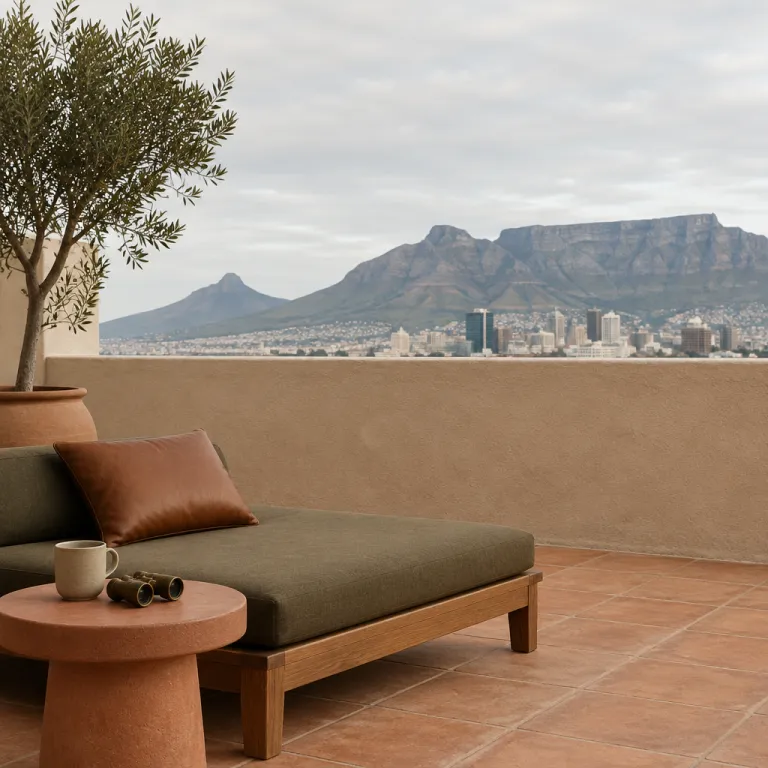
Staying in Cape Town places you between the Atlantic Ocean and the iconic Table Mountain massif. From a luxury hotel in the city bowl or along the V&A Waterfront, you can reach many of the most photographed tourist destinations in South Africa within a single day. This compact geography makes Cape Town one of the best places for travelers who want both urban energy and easy access to nature.
From your Cape Town base, you can plan a full day trip around the Cape Peninsula, linking Chapman’s Peak Drive, Boulders Beach and the Cape Point section of Table Mountain National Park in one sweeping route. These coastal places in the south of the peninsula combine rugged cliffs, penguin colonies and long stretches of beach that feel far removed from the city, yet they sit less than 70 km from most central hotels. Many visitors also add the Garden Route as an extended drive, turning a short stay in the city into a longer journey through some of the most scenic destinations east of the metropolitan area.
High end hotels in Cape Town understand that guests often want to visit South Africa’s wine regions and mountain passes without changing accommodation every night. Concierge teams can arrange private transfers to Stellenbosch, Franschhoek or the Helderberg, giving you time to read, relax and enjoy the route rather than focus on driving. Whether you prefer a quiet place overlooking the harbour or a city address close to galleries and restaurants, Cape Town offers a refined starting point for almost any Africa vacation focused on coastal and mountain landscapes.
For travelers who value refined city living with strong connectivity, consider the elegant apartments in Arcadia, Pretoria as a model of how serviced residences can complement hotel stays. While Pretoria sits north of Johannesburg, its calm avenues and diplomatic quarter show how an urban escape can feel residential yet still link efficiently to major regions south and north. This balance of discretion and access is increasingly important for travelers planning complex multi stop itineraries across South Africa.
Johannesburg and Pretoria as hubs for Kruger National Park and beyond
Johannesburg remains the primary aviation hub for travelers heading to Kruger National Park and many other inland tourist destinations in South Africa. A night or two in a premium city hotel allows you to rest after regional travel before flying onward to a safari airstrip or driving to a private game reserve. This pause in the city also gives you time to read through detailed itineraries and confirm every transfer for the days ahead.
From Johannesburg and nearby Pretoria, you can reach the Kruger National region by scheduled flight, private charter or a scenic drive that passes close to the Blyde River Canyon. Many travelers choose to break the journey with a stay near the canyon, exploring viewpoints over the Blyde River and the surrounding mountain escarpment before entering the park. This route turns a simple transfer into a memorable part of your Africa vacation, especially if you appreciate varied landscapes and want to visit South Africa beyond the classic coastal places.
Urban escapes in these cities also help you understand the economic and cultural context of South Africa before you head into more remote destinations to the south and east. If you are curious about the city’s layout and its role in national travel networks, the guide on where exactly Johannesburg is located in South Africa for luxury minded travelers offers a useful orientation. Once you have that perspective, choosing the right hotel place in the city becomes easier, whether you want quick access to the airport, business districts or cultural precincts that showcase the best of contemporary urban experiences.
Durban and the warm Indian Ocean coastline
Durban offers a different style of urban escape, shaped by a subtropical climate and a long stretch of city beach along the Golden Mile. Luxury hotels here often face the ocean directly, giving you sunrise views and immediate access to the promenade for relaxed walks or cycling. For many travelers, this combination of warm water and city convenience makes Durban one of the best places for short breaks focused on rest.
From a premium hotel in Durban, you can plan day trip excursions to several coastal holiday destinations in KwaZulu Natal that rank among the most appealing tourist destinations in South Africa. North of the city, the route passes Umhlanga, Ballito and further beach towns that feel more resort like, while still remaining close enough for a single day visit. South of Durban, quieter places offer long sandy beaches and less crowded surf, giving you a choice of atmospheres within easy reach of your urban base.
Durban also serves as a practical starting point for visiting game reserve properties in the province, including those that protect rhino and other iconic species outside the Kruger National system. Many travelers combine two or three days in the city with a transfer to a private reserve, creating a balanced Africa vacation that includes both ocean and savanna. If you plan your time carefully, you can visit South Africa’s coastal city highlights, nearby national park areas and inland cultural sites in a single, well structured itinerary that still feels unhurried.
Linking city stays with Kruger National Park and Blyde River Canyon
For many travelers, Kruger National Park remains the centerpiece of any journey through the most iconic tourist destinations in South Africa. The park stretches for nearly 350 km along the border with Mozambique, offering a mosaic of ecosystems and some of the best wildlife viewing in the world. Choosing the right combination of city hotel and safari lodge is essential if you want your Africa vacation to feel both seamless and deeply rewarding.
Most visitors reach the Kruger National region via Johannesburg or, less frequently, via Cape Town with a connecting flight, then transfer to either a rest camp inside the national park or a private game reserve on its western boundary. These private reserves, such as Sabi Sand or Timbavati, share unfenced borders with the park, allowing animals to move freely while offering a more exclusive experience with fewer vehicles. By spending a night in a well located city hotel before and after your safari, you give yourself time to read through park regulations, adjust to early morning game drive schedules and manage any delays without stress.
The Blyde River Canyon, carved by the Blyde River through the Drakensberg escarpment, lies on the main route between Johannesburg and the central Kruger gates. Many travelers choose to visit South Africa’s canyon viewpoints as part of a Panorama Route circuit, stopping at God’s Window, Bourke’s Luck Potholes and the Three Rondavels. This combination of mountain scenery, deep river canyon vistas and nearby waterfalls turns a simple transfer into one of the most memorable places to visit in the country, especially when framed by comfortable nights in carefully chosen urban and rural properties.
For safari focused travelers seeking a refined base before heading into the bush, the overview of why Zulu Nyala Heritage Hotel is a refined choice for South African safari travelers illustrates how a heritage style property can complement time in a more remote lodge. While this hotel sits outside the Kruger National region, it shows how thoughtful design, attentive service and strong links to nearby reserves can elevate the overall experience of your journey. When you apply similar criteria to other properties, you increase the chances that every place on your itinerary will feel coherent and well matched to your expectations.
Designing multi city itineraries across destinations south of the main hubs
Planning a multi city journey across South Africa allows you to combine several of the most compelling tourist destinations in South Africa in a single trip. A typical route might link Cape Town, the Garden Route, a safari near Kruger National Park and a final beach stay near Durban or along the warm Indian Ocean coast. When you structure the sequence carefully, each place feels distinct yet connected, and your overall travel time remains efficient.
One effective pattern is to begin in Cape Town for four or five nights, then follow the Garden Route eastward through Knysna and Plettenberg Bay before flying from George or Port Elizabeth to Johannesburg. From there, you can transfer to a private game reserve near Kruger National or to a lodge inside the national park itself, spending three or four days on safari before ending with a relaxed beach stay. This approach lets you visit South Africa’s key landscapes in a logical order, moving from city to coast, then to bush and finally back to the ocean.
When choosing hotels for such an itinerary, focus on properties that understand the specific needs of travelers moving between multiple destinations south of the main cities. You may require early check outs for morning flights, luggage storage between segments, or flexible dining times that align with game drive schedules in a game reserve. By prioritizing hotels that offer this level of support, you ensure that each place on your Africa vacation contributes positively to the journey rather than adding friction to your travel plans.
Timing, practical tips and reading the rhythm of each city
Selecting the right time of year for your trip can transform how you experience tourist destinations in South Africa. Coastal cities such as Cape Town and Durban feel very different between peak summer and the quieter shoulder seasons, especially around major holidays. Inland areas near Kruger National Park and the Blyde River Canyon also shift dramatically between the green summer months and the drier winter period, when wildlife viewing often improves.
For city based stays, consider how daylight hours and local events will affect your ability to visit South Africa’s main attractions without crowds. Shorter winter days in Cape Town, for example, may limit late afternoon visits to Table Mountain, while summer heat in Durban can make midday beach time intense but evenings wonderfully warm. Reading local tourism board updates and hotel newsletters before you travel helps you understand these rhythms, allowing you to choose the best places and times for each segment of your Africa vacation.
Finally, remember that urban escapes are not only about luxury rooms and skyline views but also about how each city connects you to surrounding regions south and north. A well chosen hotel in any major city should make it easy to arrange a spontaneous day trip, whether to a nearby mountain pass, a coastal beach or a cultural site that deepens your understanding of the country. When every city stay functions as both a comfortable retreat and a strategic base, your journey through South Africa’s national park regions, coastal routes and inland destinations becomes far more coherent and satisfying.
Key figures on South African travel and urban escapes
- According to South African Tourism, the country welcomed approximately 10.2 million international tourist arrivals in 2019, the most recently reported pre pandemic year, with a significant share combining city stays in Johannesburg, Cape Town or Durban with visits to at least one national park (South African Tourism, 2019 Annual Report).
- Data from SANParks indicates that Kruger National Park alone recorded around 1.8 million visitors in the 2018/2019 financial year, underscoring its role as one of the primary tourist destinations in South Africa and a frequent pairing with urban hotel stays (SANParks, 2018/19 Integrated Report).
- Statistics South Africa reports that tourism directly contributed about 2.9 percent to national GDP in 2019, with indirect contributions pushing the broader travel value chain significantly higher, highlighting the economic importance of both city hotels and remote lodges (Stats SA, Tourism Satellite Account for South Africa, 2019).
- Industry surveys from the Tourism Business Council of South Africa show that luxury and premium accommodation segments in major city hubs consistently achieve higher average daily rates than other categories, reflecting strong demand for refined urban escapes (TBCSA Tourism Business Index, 2019).
- Regional data from the Western Cape tourism authority notes that the Garden Route and Cape Peninsula collectively attract millions of domestic and international visitors each year, many of whom base themselves in Cape Town before exploring these coastal routes (Wesgro, Western Cape Tourism Performance Report, 2019).
FAQ: luxury urban escapes and tourist destinations in South Africa
What is the best city base for first time visitors to South Africa ?
Cape Town is often the preferred starting point for first time visitors because it combines dramatic scenery, a compact city layout and easy access to Table Mountain, the Cape Peninsula and nearby wine regions. Johannesburg, however, offers the most flight connections and serves as the main hub for Kruger National Park and many inland destinations. Your choice should depend on whether you prioritise coastal landscapes or safari access in the early days of your trip.
How many days should I spend in a city before going on safari ?
Most travelers benefit from spending at least one or two nights in a city such as Johannesburg or Cape Town before heading to a game reserve. This buffer allows you to recover from earlier travel, adjust to time zones and confirm all safari logistics without rushing. It also gives you a chance to explore key urban attractions and enjoy refined dining before the early starts and structured schedules of safari life.
Is it realistic to combine Cape Town, the Garden Route and Kruger in one trip ?
Combining Cape Town, the Garden Route and Kruger National Park in a single itinerary is entirely feasible if you allow at least ten to fourteen days. A common pattern is to spend several nights in Cape Town, drive or transfer along the Garden Route, then fly from George or Port Elizabeth to Johannesburg for a connection to the Kruger region. Careful planning of internal flights and transfers is essential to keep travel days efficient and avoid unnecessary backtracking.
When is the best time to visit South African cities and national parks ?
Coastal cities such as Cape Town and Durban are popular in the warmer months, when beach conditions and outdoor dining are at their best. Kruger National Park and other inland reserves often offer stronger wildlife viewing in the drier winter period, when vegetation is thinner and animals gather at water sources. Balancing these patterns usually means accepting a compromise, so many travelers choose shoulder seasons that offer moderate conditions in both city and bush.
How far in advance should I book luxury hotels and safari lodges ?
For peak travel periods and top tier properties, booking six to twelve months in advance is advisable, especially if you want specific room types or particular game reserves. City hotels sometimes have more flexibility, but high demand dates around major events and holidays can still sell out quickly. Early planning also gives you more time to coordinate internal flights, transfers and any special experiences such as private tours or exclusive dining reservations.