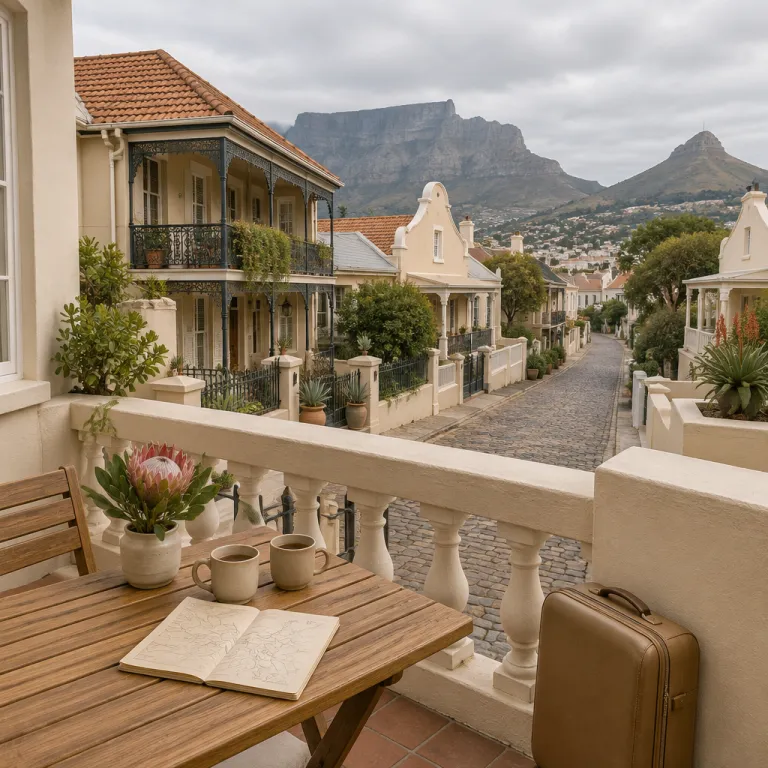
Why Cape Town honeymoon hotels neighbourhoods matter more than star ratings
Choosing where to stay in Cape Town for a honeymoon shapes every hour of the trip. The right neighbourhood will decide whether your first coffee faces the mountain, the sea, or a quiet green courtyard, and that choice often matters more than a formal hotel rating when romance is on the line. Many guests focus on the number of stars, yet the couples who remember their stay in Cape Town most fondly talk about the walk to dinner, the sound at night, and how quickly they could slip from city energy into private calm.
Think of Cape Town as a collection of small towns rather than a single city. Each part of town offers its own cluster of romantic hotels, from sea-facing addresses in Camps Bay to vineyard retreats in Constantia and design-forward stays near the V&A Waterfront, and the best honeymoon itineraries move between at least two of these areas. When you read previous guest reviews, pay as much attention to how people describe the neighbourhood atmosphere as to how they rate the hotel spa or the breakfast buffet.
For a honeymoon, proximity is a quiet luxury that rarely appears in formal reviews. A central location in the city centre might mean you can walk to dinner, theatre, and galleries, while a hotel in a calmer corner of town will trade nightlife for the sound of the sea and a darker night sky. When you compare hotels across Cape Town, ask yourself whether you want to feel part of a district popular with locals after work, or whether you prefer to stay on the coast where the only footsteps you hear belong to other honeymoon guests.
Camps Bay and Sea Point: beach glamour versus layered city romance
Camps Bay is the poster child for Cape Town honeymoon hotels neighbourhoods, with its palm-lined beach and a row of hotels facing the sea. Couples who choose a seafront hotel here wake to the sound of waves, then watch the sun drop behind the Atlantic every night, and the atmosphere leans towards high-gloss romance with a social buzz. This is where a romantic hotel often means a room with a balcony, a good view of both sea and mountain, and easy access to sunset cocktails before a late dinner.
Sea Point, by contrast, offers a more layered city experience while still hugging the sea. The promenade runs for several kilometres, giving every guest a chance to walk hand in hand past green lawns and tidal pools, and the neighbourhood’s apartments and smaller hotels create a lived-in feel that many urban romantic travellers prefer. You are close to the city centre and the V&A Waterfront from here, yet your night-time soundtrack is more likely to be waves and soft traffic than bar music.
For honeymooners, the choice between Camps Bay and Sea Point is really a choice between being on display and being tucked in. Camps Bay suits couples who want to feel part of a glamorous beach scene, where romantic hotels line the main strip and reviews often mention the energy as much as the rooms. Sea Point works better for a city honeymoon that mixes long sea walks, quick Uber rides into the city, and the option to retreat to a quieter hotel spa after a day out, and you can see how this echoes the shift happening in Johannesburg’s art quarter, where the city’s serious hotels now sit close to culture rather than malls.
Green Point, De Waterkant and the V&A Waterfront: walkable charm and harbour light
Green Point and De Waterkant sit between Sea Point and the V&A Waterfront, and they are central to any serious guide to Cape Town honeymoon hotels neighbourhoods. Green Point wraps around a large urban park, giving guests easy access to green space, running paths, and a short walk to the stadium and the sea, while De Waterkant climbs the hill with cobbled streets and pastel houses. Couples who stay in this part of the Atlantic Seaboard often talk about how quickly they can walk from their hotel to a café, a wine bar, or the Waterfront’s harbour edge.
The V&A Waterfront itself is one of the city’s best-known areas for international guests, with several large hotels and a constant flow of people. A romantic hotel here will not feel secluded, yet it offers a different kind of intimacy, where you can slip from a late dinner to your room without worrying about taxis, and where the lights of the harbour replace the stars over the mountain. For some honeymooners, that sense of being in the heart of a working harbour city is exactly what makes a neighbourhood romantic, especially if this is your first visit to South Africa and you want to feel the pulse of the place.
De Waterkant is the sweet spot for many couples who want a city honeymoon that balances privacy and access. You are close to the city centre, the V&A Waterfront, and Green Point’s park, yet the streets feel residential and the hotels are often small enough that staff remember each guest by name. When you read reviews of romantic hotels in this pocket of town, look for mentions of noise at night, the ease of walking back after dinner, and whether the hotel spa feels like a genuine retreat or just a small treatment room, and if you enjoy art-driven evenings you might appreciate how this echoes Johannesburg’s shift towards hotels near galleries rather than shopping arcades.
City Bowl and Table Mountain views: urban energy for design minded couples
The City Bowl stretches from the lower slopes of Table Mountain down into the historic city centre, and it is where Cape Town feels most like a true African city. Here, Cape Town honeymoon hotels neighbourhoods revolve around design, food, and culture rather than the beach, and a good hotel will frame the mountain through large windows while keeping you within walking distance of galleries and wine bars. Couples who choose to stay in the City Bowl often care less about a spa and more about being able to step out into a street with real local life.
Neighbourhoods like Gardens, Oranjezicht, and Tamboerskloof offer a softer edge to the city centre, with leafy streets and views up to the mountain. A romantic hotel in these parts of town might have a small pool facing Table Mountain, a green courtyard for breakfast, and rooms where the night is quiet enough that you can sleep with the windows open, and reviews often mention the sense of being in a residential area rather than a tourist strip. For honeymooners who enjoy architecture and food, this is where you can walk to some of the city’s best restaurants, then return on foot without worrying about long transfers.
Within the denser city centre, you trade some calm for immediacy. You are close to the Company’s Garden, the museums, and the city’s historic streets, and many hotels here position themselves as romantic hotels for urban couples who want to feel the city under their feet. When you compare hotels across Cape Town, note that a central location in the City Bowl can mean more street noise at night, yet it also means shorter travel times to both the mountain and the sea, and for many guests that balance is worth more than a slightly higher rating on a booking site.
Constantia and Hout Bay: vineyard quiet and coastal seclusion
Constantia lies on the southern side of the mountain, a short drive from the city centre yet a world away in mood. This is wine country within Cape Town’s municipal boundaries, and Cape Town honeymoon hotels neighbourhoods here are defined by vineyards, old trees, and long lunches, with hotels often set on large green estates rather than city blocks. Couples who stay in Constantia usually want a slower rhythm, where a good day means a wine tasting, a spa treatment, and an early night under thick duvets.
Hout Bay, further along the coast, offers a different kind of seclusion with its working harbour and curved beach. A romantic hotel here will often face the sea and the encircling mountain slopes, and the night feels darker and quieter than in popular areas like Camps Bay or the V&A Waterfront, which many previous guests mention in their reviews. This suits honeymooners who want to feel close to nature without leaving Cape Town entirely, and who value the sense of being in a small town within the larger city.
Both Constantia and Hout Bay work well as second stops in a multi-neighbourhood honeymoon. You might begin with two or three nights in a more urban romantic hotel near the Waterfront or the City Bowl, then move to a hotel spa in Constantia for vineyard calm, or to Hout Bay for sea air and long beach walks. When you plan your stay in Cape Town, remember that these areas also make it easier to reach Cape Point, the False Bay coast, and the winelands for day trips, and that flexibility is one of the reasons Cape Town competes so strongly with other South Africa honeymoon destinations.
Multi neighbourhood strategies and when to travel for a Cape Town honeymoon
The most satisfying Cape Town honeymoon hotels neighbourhoods itineraries usually involve at least two bases. Start with a central location near the V&A Waterfront, Green Point, or the City Bowl for three or four nights, then shift to Camps Bay, Constantia, or Hout Bay for a different rhythm, and you will feel as if you have visited two cities rather than one. This approach also lets you sample both a more urban romantic hotel and a quieter hotel spa without committing your entire stay to either extreme.
Timing matters almost as much as neighbourhood choice. Spring in Cape Town, especially from October into November, brings green slopes on Table Mountain, longer days, and milder winds, and prices are often lower than in peak summer while the sea is already drawing swimmers to the beach, which makes it a sweet spot for a city honeymoon. During this period, reviews from previous guests often mention comfortable temperatures for hiking and wine tasting, and you will find that both the city and the hotels feel less crowded than in high season.
As you plan, think about how Cape Town fits into a wider South Africa journey. Many couples pair a few nights in the city with a safari in the Eastern Cape or the Kruger region, and some choose to support properties that engage seriously with conservation and community work, which you can read about in depth in this analysis of which South African stays are doing the work beyond the brochure. Cape Town’s density of fine dining, its proximity to the winelands, and the presence of Table Mountain rising directly behind the city give it a romantic profile that no other South Africa destination can quite match, and that is why the most thoughtful guests treat the choice of neighbourhoods as the real luxury, not just the star rating on a screen.
Key figures for planning a Cape Town honeymoon stay
- According to Cape Town Tourism’s published occupancy summaries for recent pre-pandemic years (for example 2018–2019), average hotel occupancy in the city reaches around 70% in peak summer months, compared with roughly 55% in spring shoulder months, which means October and November often offer better availability and more choice for honeymoon couples.
- Data from the South African Weather Service climate records for Cape Town (1981–2010 normals) shows that the city’s average daytime maximum temperature in November sits near 24 °C, while sea temperatures along the Atlantic coast typically hover around 16 °C, creating comfortable conditions for both city exploring and beach walks even if the water remains brisk.
- Travel industry reports and local restaurant guides published over the last few years indicate that Cape Town, Stellenbosch, and Franschhoek together host dozens of South Africa’s most highly rated fine dining restaurants, giving honeymooners based in the city access to an unusually dense cluster of high-end culinary experiences within an hour’s drive.
- Table Mountain National Park visitor statistics released by South African National Parks and the Table Mountain Aerial Cableway Company show that the park records several million visits per year across its various sections, and the cableway alone has carried more than 800 000 passengers annually in recent years, which underlines why choosing a hotel with easy access to the mountain can significantly reduce time spent in queues and traffic.
- Studies and booking data from South African tourism bodies and tour operators suggest that couples who split their Cape Town stay between two neighbourhoods tend to extend their overall trip by an average of one to two nights, reflecting the added appeal created by contrasting city and coastal experiences.
FAQ: Cape Town honeymoon neighbourhoods and hotels
Is Camps Bay or the V&A Waterfront better for a first time Cape Town honeymoon ?
Camps Bay suits couples who prioritise a beach setting, sunset views, and a social promenade, while the V&A Waterfront works better if you want immediate access to restaurants, shopping, and harbour activities. For a first visit, many South Africa based travellers start at the Waterfront for two or three nights, then move to Camps Bay or Sea Point for a more relaxed second phase. Splitting your stay lets you experience both the city’s harbour energy and its coastal glamour without long transfers.
How many nights should we spend in Cape Town on a honeymoon ?
For a honeymoon that combines Cape Town with a safari or winelands stay, five to seven nights in the city is a practical minimum. This allows time for at least two neighbourhoods, a full day on Table Mountain, a Cape Point or whale coast excursion, and one or two slower days focused on spa time and long lunches. If you are based in South Africa and not adding a long-haul flight, stretching to eight or nine nights gives you space to include both urban and quieter coastal or vineyard stays.
Which Cape Town neighbourhood is best for couples who love food and wine ?
Food focused couples often base themselves in the City Bowl, De Waterkant, or Green Point, where you can walk or take short rides to many of the city’s leading restaurants and wine bars. Constantia is ideal if you want vineyard settings and easy access to historic wine estates without leaving Cape Town, though you will rely more on transfers at night. A multi-neighbourhood plan that combines three nights in the City Bowl with three in Constantia gives you both urban dining and leafy wine country within a single trip.
Is it worth paying extra for a hotel spa on a Cape Town honeymoon ?
A full-service hotel spa can be valuable on a honeymoon, especially if you are pairing Cape Town with a busy safari schedule or long drives. Properties in Constantia, Hout Bay, and some Waterfront and Camps Bay hotels tend to offer more extensive spa facilities, which can turn a windy or rainy day into a highlight rather than a disappointment. If your budget is tight, consider choosing one neighbourhood stay with a strong spa and another where you prioritise location and views instead.
How safe is it to walk around Cape Town’s honeymoon friendly neighbourhoods at night ?
Areas like the V&A Waterfront, De Waterkant, parts of Green Point, and the busier streets of the City Bowl see regular foot traffic at night and are generally considered comfortable for visitors who take normal urban precautions. Sea Point’s promenade is popular in the early evening, though it becomes quieter later, while Camps Bay’s main strip remains active around dinner time. As in any large city, use registered taxis or ride-hailing services for longer distances after dark, avoid walking with visible valuables, and ask your hotel team for the latest local advice on specific streets.