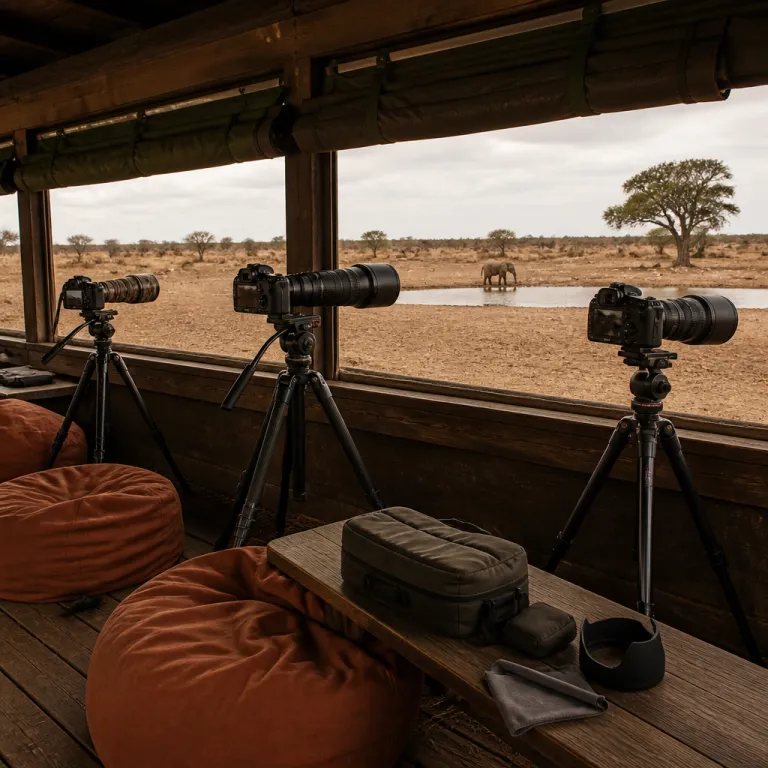
What a true photographic safari in South Africa really means
A photographic safari in South Africa reshapes every hour of your stay. Instead of racing across the plains to tick off the Big Five, the best safari lodges slow the pace so photography and wildlife observation can unfold in unhurried, thoughtful ways. The focus shifts from how many safaris you can squeeze into a few days to how each photographic safari session uses light, silence, and patient positioning.
At specialist photographic safari lodges South Africa based travellers find vehicles adapted for serious photography, with swivel seats, beanbags, and camera mounts at every row. A dedicated photo safari guide will often drive a private vehicle for just two or three photographers, which allows long pauses at sightings and repeated repositioning as the sun moves. These guides understand how to read animal behaviour and anticipate movement, so photographers can frame wildlife photography shots before the action breaks.
In Sabi Sands, lodges such as Londolozi, MalaMala, and Lion Sands have evolved from classic safari camps into refined bases for photography safari guests. Here, a photographic safari might mean leaving camp long before dawn, then returning late, with flexible brunch times and quiet editing hours built into the day. The same pattern is emerging across Africa, from bush camp stays in South Luangwa to photographic safaris that link South Africa with Botswana, the Okavango Delta, and even onward to Victoria Falls.
How the schedule differs from a standard game drive
On a conventional safari, game drives tend to run on fixed hotel style timetables. Vehicles leave camp at set hours, follow well used routes, and often prioritise distance covered over the subtle photographic details that matter to serious photographers. A photographic safari in contrast is structured around the two golden windows of light that shape every day in the bush.
Pre dawn departures from your lodge feel early, yet they place you on the plains as the first light brushes the horizon. In Sabi Sands or Kruger National Park, this is when big cats start to move, when breath steams in the cool air, and when a single photo can capture both wildlife and atmosphere. Many photographic safari lodges South Africa wide now offer extended safari days, where a private vehicle stays out longer so photographers can wait for the exact moment a lion lifts its head or an elephant turns into the sun.
Instead of rushing from sighting to sighting, photographic safaris favour long, quiet stops. Guides understand that a great photo safari is built on patience, not speed, and that photographers need time to adjust camera settings, test compositions, and react to changing light. This slower rhythm is reshaping the luxury safari contract in South Africa, a shift explored in depth in this analysis of how Kruger’s evolution is changing high end safaris.
The guide factor: when your ranger is also a photographic mentor
The difference between a standard safari and a photography safari often sits in the front seat. A specialist photographic guide is not only a tracker and storyteller but also a mentor who speaks the language of shutter speeds, ISO, and composition. These guides understand how to position a vehicle for clean backgrounds, soft side light, and unobstructed views, which transforms the quality of your wildlife photography.
In South Africa’s Sabi Sands, several safari lodges employ in house photographers who join drives, review images back at camp, and run short workshops between safari days. At properties such as Londolozi or Singita, a photographic safari might include one on one tuition, where a guide helps you refine your use of a new camera body or long lens. Across Africa, from the bush camp style Selinda Camp and Mara Plains in Botswana to lodges near South Luangwa, the best guides understand that teaching is part of the experience.
For South African travellers starting closer to home, a stay at a focused property such as Zulu Nyala Heritage Lodge in Hluhluwe can be a gentle first step into more intentional safaris. This Heritage Lodge in Hluhluwe for local safari travellers shows how a lodge can blend approachable guiding with an eye for photographic details. Once you have experienced that level of attention, it becomes difficult to return to anonymous game drives where the guide’s focus is only on the next radio call.
Hardware, hides, and hospitality: lodge infrastructure for photographers
Serious photographers quickly notice which safari lodges have been designed with cameras in mind. In room charging stations with multiple universal sockets, dust free camera cleaning areas, and secure storage for lenses are no longer optional extras at the best photographic safari lodges South Africa offers. These practical details matter as much as thread count when your camera is your primary reason for travelling.
Many top end lodges now provide rental gear for guests who prefer not to fly with heavy camera bodies and long lenses. At some camps in Sabi Sands and the wider Kruger region, you can pre book a full photo safari kit, from a fast telephoto lens to a backup camera, then test it under the guidance of in house photographers. Purpose built hides and blinds near waterholes allow photographers to work at eye level with wildlife, often during the harsh midday hours when standard safaris retreat to camp.
Beyond South Africa, the same attention to photography is visible at Mara Plains in the Masai Mara, Selinda Camp in northern Botswana, and specialist bush camp properties in South Luangwa or the Okavango Delta. These lodges often include a private vehicle in their photographic safaris packages, ensuring that photographers can stay with a single sighting for hours if needed. For travellers who enjoy pairing bush with city, a stay in Cape Town’s Constantia valley at a wine focused property such as Constantia Glen, where cool climate wines shape your stay offers a refined counterpoint to the dust and drama of the bush.
Why photographic safaris inspire repeat journeys across Africa
Once you have experienced a well run photographic safari, it tends to reframe how you think about travel. The emphasis on skill, patience, and creative expression turns a few safari days into a kind of moving workshop, where every drive offers a chance to refine your eye. For many guests, the images they bring home from photographic safari lodges South Africa wide become more meaningful than any luxury amenity.
This is why photographers often plan multi country safaris that link South Africa with Botswana, the Okavango Delta, the Masai Mara, and even Victoria Falls. A traveller might start with a Sabi Sands lodge known for big cats, then continue to a bush camp in South Luangwa for walking safaris, before ending at Mara Plains or Selinda Camp for wide open plains and dramatic crossings. Each lodge offers a different canvas for wildlife photography, and each region rewards a slightly different approach to camera settings, composition, and timing.
There is also a broader shift in luxury travel toward experiences that teach as well as pamper. Guests are no longer satisfied with passive game viewing safaris ; they want guides who can critique a photo, camps that offer editing sessions, and itineraries that build in time for reflection. For South African travellers booking through a premium platform, choosing lodges where guides understand photography and where the day is built around the lens rather than the checklist is the surest way to ensure that your next safari feels both indulgent and deeply personal.
FAQ
What is the main difference between a photographic safari and a regular safari
A photographic safari prioritises light, positioning, and time at each sighting rather than distance covered or the number of species seen. Vehicles are often adapted for cameras, and guides focus on helping guests create strong images. Regular safaris tend to follow fixed schedules and move more quickly between sightings.
Do I need professional camera equipment for a photography safari
You do not need professional gear, but a camera with interchangeable lenses and good low light performance will help. Many photographic safari lodges in South Africa and across Africa offer rental equipment, so you can test higher end lenses without buying them. What matters most is understanding your camera and being willing to learn in the field.
Which South African areas work best for photographic safaris
Sabi Sands is renowned for close sightings of big cats and relaxed leopards, which suits detailed portrait style wildlife photography. The greater Kruger National Park region offers varied habitats and a wide range of lodges with photographic safari infrastructure. KwaZulu Natal reserves and the Kalahari can be excellent for different light conditions and more open landscapes.
How many safari days should I book for a focused photo safari
For a first photographic safari, plan at least four to five nights at one lodge, which gives you several full safari days to adapt to the light and rhythm. Serious photographers often stay seven nights or more, especially in areas like Sabi Sands or the Okavango Delta. Longer stays reduce pressure and increase your chances of exceptional sightings in good light.
Can non photographers enjoy staying at photographic safari lodges
Yes, non photographers usually enjoy the slower, more considered pace of photographic safaris. Longer stops allow more time to observe animal behaviour and appreciate the landscape, even without a camera. Many lodges also offer spa treatments, walks, and cultural experiences for guests who prefer a more relaxed approach between drives.