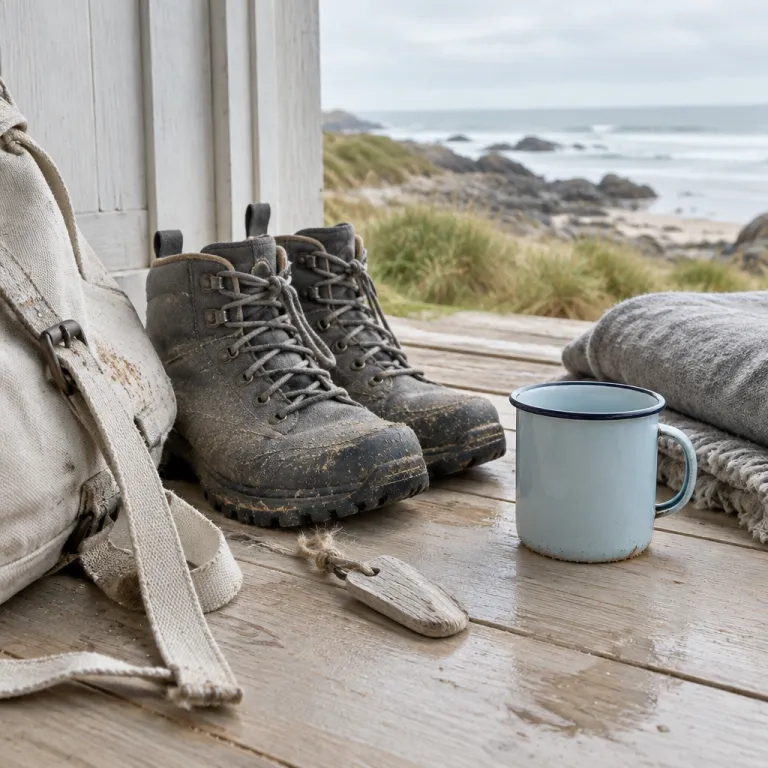
Why the Wild Coast works best at walking pace
The Wild Coast is the untamed stretch of Eastern Cape shoreline between East London and Port Edward, where cliffs, river mouths, and Xhosa villages still set the rhythm. For a traveler based in South Africa comparing polished resorts with Wild Coast luxury hiking accommodation, this is the coast where access is harder, the accommodation is fewer, and the reward is a quieter, more honest kind of stay. Walkers move between coves and headlands at human speed, watching the light shift on each bay and beach as the day unfolds.
Driving the south to north route along this wild coast, you quickly understand why many hotels and lodges are reached by gravel roads, 4x4 tracks, or on foot from the nearest river mouth. That access challenge filters the people who arrive ; guests who commit to a longer transfer or a final hike to their accommodation tend to stay more than one night, engage with the local community, and treat the landscape with respect. For South Africa based travelers used to easy coast accommodation on the Garden Route, the Wild Coast feels like a different country within Africa, where the coast sun is softer, the pace slower, and the sense of remoteness deliberate.
Most Wild Coast luxury hiking accommodation is not a conventional city hotel with a glossy hotel spa and a long list of free inclusions. Instead you find small beach lodge style properties, family run hotels, and community linked accommodation wild options that prioritise location, walking access, and a clear view of the sea over marble lobbies. When you book, you are choosing a way of moving through the coast as much as a room category, and that is what makes this shoreline such a compelling holiday choice for people who already know South Africa’s more famous bays.
Key hiking hubs: Coffee Bay, Hole in the Wall and beyond
Coffee Bay remains the most recognisable name on the Wild Coast, a small bay where a handful of hotels and guesthouses cluster around the river mouth and the curve of the beach. For South African travelers looking for Wild Coast luxury hiking accommodation, Coffee Bay works best as a base for day walks along the coast to Hole in the Wall, a natural rock arch that has become a symbol of the region. The path between Coffee Bay and Hole in the Wall is one of the most rewarding short hikes in South Africa, with a constant ocean view, grazing cattle, and Xhosa homesteads scattered across the hills.
Accommodation in and around Coffee Bay ranges from simple rooms in older bay hotel properties to more polished beach lodge style stays with private rooms and better catering. When you compare hotels here, focus less on star ratings and more on how easily you can step from your room onto the trail at first light, because that is the real luxury on this coast. Families often choose accommodation wild options with flexible catering, where a packed lunch for the day’s hike is as important as a plated dinner at night.
For travelers who like to pair coastal walking with other marine experiences, it is worth reading a specialist guide such as this Hermanus whale watching accommodation overview before deciding how to split time between the Wild Coast and the south western Cape. Coffee Bay and the surrounding bays are less developed than Hermanus, with fewer hotels but more direct access to the wild shoreline and fewer people on the paths. That trade off defines the Wild Coast experience ; you give up some urban convenience in exchange for a more elemental relationship with the sea, the cliffs, and the communities that still live close to both.
Morgan Bay, Mazeppa Bay and the softer side of the Wild Coast
Closer to East London, Morgan Bay offers one of the most accessible entries into Wild Coast luxury hiking accommodation, especially for a long weekend from anywhere in South Africa. The village sits where the cliffs ease into a broad beach, with a cluster of hotels and holiday homes overlooking the bay and the river mouth. For many South African families, Morgan Bay is the first taste of the wild coast before they venture further north to more remote bays.
The long established bay hotel in Morgan Bay has become a multigenerational favourite, with sea facing rooms, interleading family rooms, and a relaxed approach to catering that suits both couples and larger groups. You can walk straight from the hotel along the cliff path, watching the coast sun rise over the Indian Ocean, or head inland towards a nearby nature reserve for birding and quieter trails. Mazeppa Bay, further up the coast, feels more remote again, with a small cluster of accommodation wild options where a simple beach lodge might share the shoreline with a more traditional hotel, and where the night sky still feels properly dark.
Travelers who enjoy combining coast accommodation with inland wilderness sometimes pair a Morgan Bay or Mazeppa Bay stay with time in a private game reserve in the Eastern Cape. A useful way to think about this is to see the Wild Coast as the raw, wave carved counterpart to the forested interior of the Garden Route, which is explored in depth in this guide to the Garden Route’s mountain interior. On the Wild Coast you walk cliff tops and beaches ; inland you might track wildlife in a game reserve or hike forested ridges, and together they create a rounded South African holiday that feels both coastal and wild.
Remote river mouths: Mbotyi, Port Edward and the hiking trail north
North of Coffee Bay, the Wild Coast grows more rugged, with river mouths cutting deep into the cliffs and access roads becoming narrower and slower. Mbotyi, set near the Mbotyi River and a wide estuary, offers one of the most atmospheric bases for Wild Coast luxury hiking accommodation, with a handful of hotels and beach lodge style stays facing the lagoon and the open sea. Walking here means crossing river mouths by footbridge or boat, climbing grassy headlands, and passing through villages where daily life still follows agricultural and fishing rhythms.
Many South African travelers link Mbotyi with Port Edward at the northern end of the wild coast, using multi day hiking routes that trace the shoreline between the Eastern Cape and southern KwaZulu Natal. Accommodation along this stretch is limited, so booking ahead is essential, especially if you want specific room types or family rooms in the few hotels that exist. Some properties offer free guiding for shorter walks, while others can arrange transfers so that you hike one way along the coast and return by vehicle, which is particularly useful for people with limited time.
Port Edward itself feels more like a conventional south coast town, with a wider choice of hotels, self catering apartments, and guesthouses, but it still serves as a useful gateway to the wilder sections to the south. Travelers who enjoy both bush and beach sometimes route from Port Edward or the Eastern Cape coast to a private game reserve, using resources such as this analysis of how luxury safari expectations are changing in Kruger, available here under the anchor Kruger luxury safari contract. That combination of coastal hiking, river mouth scenery, and game reserve wildlife delivers a South Africa itinerary that feels coherent yet varied, especially for people who already know the more manicured resorts further west.
How to choose and book Wild Coast stays with confidence
Choosing Wild Coast luxury hiking accommodation as a South Africa based traveler starts with being honest about how remote you want your holiday to feel. Some people prefer the relative comfort of Morgan Bay or Port Edward, where hotels are easier to reach and rooms feel more like familiar city accommodation, while others seek out Coffee Bay, Mazeppa Bay, or Mbotyi, where the coast feels wilder and the nights are quieter. Either way, the key is to align your booking with the kind of walking, cultural interaction, and level of service you actually enjoy.
When comparing hotels and beach lodge options, look beyond glossy photos of a bay view or a hotel spa and read carefully about access, catering style, and community links. Properties that describe themselves as accommodation wild or coast accommodation often mean that the last stretch of the journey involves gravel roads, walking paths, or boat crossings at a river mouth, which can be part of the adventure if you plan for it. For family trips, prioritise interleading rooms, flexible catering for early or late hikes, and clear information about free time activities for children, because a remote coast can feel long if younger travelers are not engaged.
Most Wild Coast properties still rely heavily on direct communication, so do not hesitate to email info addresses listed on their sites with specific questions about rooms, hiking routes, and transfers. Ask how many people they typically host per night, whether they can arrange guides from nearby villages, and how they work with local communities and any adjacent nature reserve or game reserve. That level of detail helps you choose accommodation that respects both the wild coastline and the people who live along it, ensuring your stay feels rooted in South Africa rather than floating above it as a generic international hotel experience.
FAQ
Is the Wild Coast suitable for a first time hiking holiday in South Africa ?
The Wild Coast can work very well for a first hiking focused holiday in South Africa, provided you choose your base carefully. Areas such as Morgan Bay and Coffee Bay offer relatively easy access, marked paths, and a choice of hotels and beach lodge style accommodation, which suits people who want comfort after a day on the trail. More remote stretches near Mbotyi or Mazeppa Bay are better for experienced hikers who are comfortable with longer distances, river crossings, and fewer services along the coast.
How many nights should I plan for a Wild Coast hiking trip ?
For a meaningful experience of Wild Coast luxury hiking accommodation, plan at least three to four nights in one bay, which allows two or three full days of walking without rushing. Travelers who want to link multiple bays, such as Coffee Bay, Hole in the Wall, and Mbotyi, often spend six to eight nights, moving every second or third night. If you are combining the coast with a private game reserve or another part of South Africa, a week on the Wild Coast balances well with a similar length inland.
Do I need a 4x4 vehicle to reach Wild Coast accommodation ?
You do not always need a 4x4, but road conditions vary significantly along the Wild Coast, especially after heavy rain. More accessible areas like Morgan Bay and Port Edward are usually reachable in a standard car, while some accommodation wild options near remote river mouths may recommend higher clearance vehicles or transfers. When booking, ask the hotel directly about current road conditions and whether they offer secure parking and onward transport if the last stretch is not suitable for your vehicle.
Can I visit the Wild Coast with children or older family members ?
Many South African families visit the Wild Coast regularly, and it can be an excellent destination for multi generational trips if you match the terrain to everyone’s abilities. Choose hotels or beach lodges with family rooms, shorter walking options, and easy access to the beach, especially in bays like Morgan Bay or Coffee Bay. For older people or very young children, avoid itineraries that require long daily hikes or multiple river crossings, and instead focus on shorter walks from a comfortable base.
How does the Wild Coast compare with the Garden Route for a coastal holiday ?
The Garden Route offers more developed infrastructure, a wider choice of hotels, and easier driving, which suits travelers who prefer convenience and a broad range of activities. The Wild Coast, by contrast, is rougher and less crowded, with fewer accommodation options but a stronger sense of remoteness and cultural depth in Xhosa villages along the coast. Many South Africa based travelers enjoy starting with the Garden Route and then, on a later holiday, choosing the Wild Coast when they are ready for a more demanding but deeply rewarding shoreline.
Sources
- South African National Parks (SANParks)
- Eastern Cape Parks and Tourism Agency
- Wild Coast community tourism initiatives and regional tourism offices