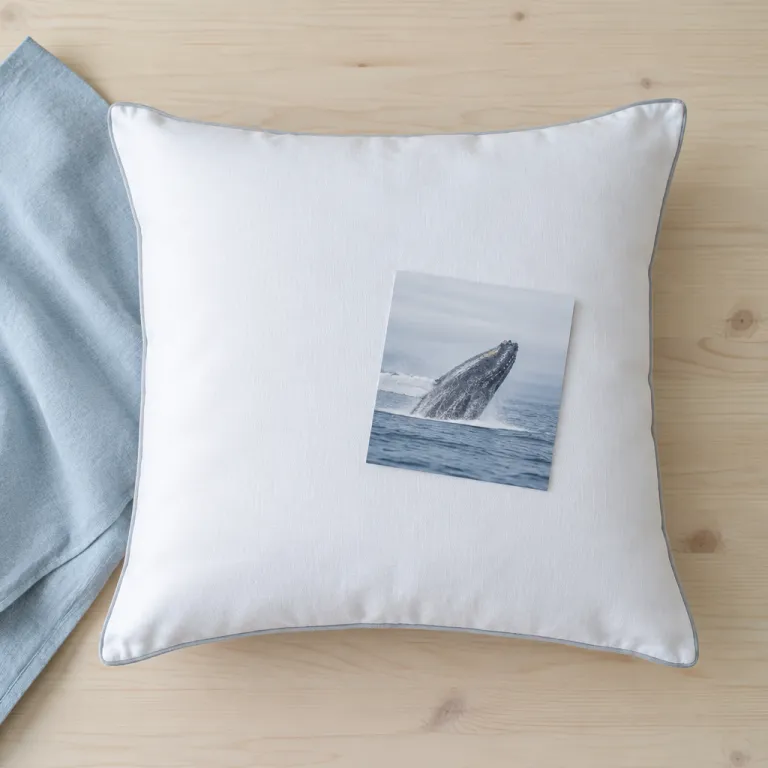
Whale season luxury accommodation in South Africa’s southern bays
Along the southern African coast, whale season luxury accommodation in South Africa has become a quiet arms race in vantage points. From June to November, southern whales move so close to shore that the right room turns the migration into theatre, and October is when the curtain properly rises. For a South African traveller used to quick weekends in Cape Town or the Winelands, this is the moment to look further along the coast for a lodge where the ocean, not the lobby, is the main event.
The most compelling whale season luxury accommodation in South Africa sits on the whale coast between Walker Bay and De Hoop Nature Reserve. Here, the promise is simple yet rare ; you can watch whales from bed, from the bath, or from a wind protected terrace, without joining a formal whale watching tour unless you choose to. These stays treat whale watching as part of the room rate, with panoramic views that frame the bay like a private cinema and make the best whale encounters feel almost casual.
For many, Hermanus South and the wider town of Hermanus remain the natural starting point for a whale focused escape. The town has long marketed itself as the whale capital of South Africa, and in peak whale season the cliffs above Walker Bay can feel like a grandstand. Yet the most rewarding experiences now sit slightly outside town Hermanus, where each luxury lodge leans into private nature, quieter coves, and a slower rhythm that suits long weekends rather than rushed day trips.
Walker Bay and Hermanus: when the bay becomes your private reserve
Walker Bay is where the idea of whale season luxury accommodation in South Africa first became a serious hospitality statement. On the cliffs between Hermanus and De Kelders, properties such as Grootbos Private Nature Reserve redefined what a beach lodge could be, pairing fynbos conservation with suites angled for uninterrupted ocean views. Here, the line between a classic safari lodge and a coastal retreat blurs, with marine life replacing the Big Five and the bay functioning as a living reserve.
At Grootbos, the whale watching experience is layered ; you might start with coffee on your deck as southern whales roll just beyond the kelp, then join a guided marine safari by boat later in the morning. The lodge’s guides treat the bay as seriously as any inland reserve, reading the water for blows and breaches the way rangers scan the bush for lions. For a South African guest who has done multiple game drives, this marine safari language feels familiar yet fresh, and it underlines how the Africa Cape coastline can rival any inland park for drama.
Within Hermanus South itself, several small luxury properties hug the cliff path, turning the town’s famous whale watching benches into extensions of the room. You can walk from your suite to the path in minutes, then follow the curve of the coast as whales and calves rest in the shallows below. Those wanting a quieter base often stay slightly outside town Hermanus, then drive in for lunch or a boat based whale watching tour, combining urban comforts with the calmer energy of a private nature setting just beyond the town.
For travellers considering a broader coastal journey beyond Walker Bay, the quieter Eastern Cape shoreline offers a different rhythm of space and solitude ; you can explore that perspective in more depth through this analysis of the Eastern Cape coast as South Africa’s early Garden Route. Linking Hermanus, De Hoop, and the Eastern Cape in one road trip lets you experience multiple whale coast moods in a single journey. It also helps South African travellers compare how different regions interpret the idea of a luxury lodge on the ocean’s edge.
De Hoop and Morukuru Beach Lodge: whales as part of the room design
Drive three hours east of Cape Town and the landscape opens into De Hoop Nature Reserve, where dunes, fynbos, and a wild stretch of African coast create one of the most concentrated southern whale nurseries on the continent. Here, whale season luxury accommodation in South Africa takes on a more elemental tone, with the ocean feeling closer, the skies bigger, and the silence deeper. The reserve’s strict development rules mean only a handful of places, including Morukuru Beach Lodge and its neighbouring private villas, can legitimately claim front row seats to the migration.
Morukuru Beach Lodge is built around the idea that the best whale watching is unhurried and unscheduled, woven into the day rather than carved out as a separate tour. Suites face the ocean with floor to ceiling glass, so southern whales become part of the room’s architecture, surfacing in the same frame as your breakfast table or reading chair. In October, when whale season peaks, it is not unusual to see multiple whales and calves at once, their blows punctuating the sound of the surf while you linger over coffee or a late lunch.
From the dunes above the lodge, panoramic views sweep across the Walker Bay Marine Protected Area towards the distant curve of the Africa Cape coastline. Guided walks along the Hoop Nature trails reveal how the reserve’s fynbos and birdlife share space with the marine giants just offshore, creating a layered sense of nature that goes beyond a single species. Many South African guests pair De Hoop with a few nights inland on safari, creating a twin centre trip where a coastal luxury lodge and a bush lodge speak to each other in terms of conservation and quiet rather than just game counts.
For those extending the journey east or west, the Garden Route offers a string of properties where the road itself becomes part of the experience ; a detailed look at Garden Route luxury slowed down shows how to turn this drive into a curated sequence of stays. Linking De Hoop, the whale coast, and the Garden Route allows South African travellers to compare different interpretations of coastal luxury, from dune framed seclusion to lagoon facing villas. It also spreads tourism pressure along the coast, which is increasingly important for fragile marine ecosystems.
From Cape Town to Plettenberg Bay: structuring a whale focused coastal escape
For a traveller based in Cape Town, the question is not whether to go, but how to structure a whale season luxury accommodation in South Africa itinerary that feels coherent rather than rushed. One elegant approach is to treat the southern African coast as a linear safari, starting with a night or two in Cape Town itself before moving east along the whale coast. Here, the city’s Atlantic seaboard hotels offer dramatic ocean views but the real whale watching begins once you leave the urban edge and commit to a dedicated lodge or nature reserve stay.
A classic route runs from Cape Town to Hermanus South, then on to De Hoop and finally Plettenberg Bay, with each stop offering a different angle on whales and water. Hermanus and Walker Bay excel at land based whale watching from cliff paths and terraces, while De Hoop’s dunes and Morukuru Beach Lodge foreground the intimacy of whales just beyond the breakers. Plettenberg Bay, further along the African coast, adds boat based marine safaris that often include dolphins, seals, and seasonal sharks, rounding out the sense that this is a full marine corridor rather than a single species show.
Throughout this journey, the most rewarding properties treat the ocean as their primary amenity, not an afterthought to spa menus and wine lists. Many now lean into digital light stays, encouraging guests to unplug so that the rhythm of tides and whales sets the pace ; for a deeper look at this philosophy, see how several South African lodges have turned disconnection into a defining feature in the signal free stay concept. For South African travellers used to always on city life, this combination of private nature, ocean views, and intentional quiet can feel as restorative as any inland safari.
FAQ
When is the best time to book whale season stays along the South African coast ?
Southern right whale season along the South African coast runs from June to November, with October generally offering the most consistent close to shore activity. For prime rooms at properties such as Grootbos Private Nature Reserve or Morukuru Beach Lodge, it is wise to book at least three to six months in advance. South African travellers planning school holiday trips should secure key weekends even earlier, as local demand can be as strong as international interest.
Is land based whale watching as rewarding as boat based tours ?
On the whale coast between Hermanus and De Hoop, land based whale watching can be exceptionally rewarding because the whales often come very close to shore. Clifftop paths, dune viewpoints, and ocean facing suites allow you to watch behaviour such as breaching and tail slapping without leaving the property. Boat based tours add a different perspective, but many guests report that unhurried viewing from a lodge terrace or reserve lookout feels more relaxed and equally memorable.
How does a coastal whale stay compare with a traditional safari lodge experience ?
A whale focused coastal stay borrows many elements from a traditional safari lodge, including guided activities, set meal times, and a strong emphasis on nature interpretation. The main difference is that the ocean replaces the bush as the primary viewing arena, with marine biologists or coastal guides taking the role of rangers. For South African travellers who have already experienced multiple game reserves, this shift to a marine safari along the African coast can feel both familiar and refreshingly new.
Can I combine whale watching with wine and food experiences on one trip ?
Yes, the geography of the southern Cape makes it easy to pair whale watching with wine and food focused days. Many travellers base themselves in Hermanus or Walker Bay, then spend one day on the cliffs and another exploring nearby Hemel en Aarde Valley wineries. Combining a coastal luxury lodge stay with time in Cape Town or the Winelands allows South African guests to enjoy both marine wildlife and the region’s culinary strengths without long internal flights.
Are these whale season lodges suitable for families with children ?
Several whale focused lodges along the South African coast welcome families, but policies vary by property and room type. Places such as Grootbos and Morukuru Beach Lodge often offer family friendly suites, child focused nature activities, and flexible dining, while some smaller coastal retreats remain more adult oriented. South African travellers should check age limits, room configurations, and activity options carefully when booking to ensure the stay matches their family’s needs.