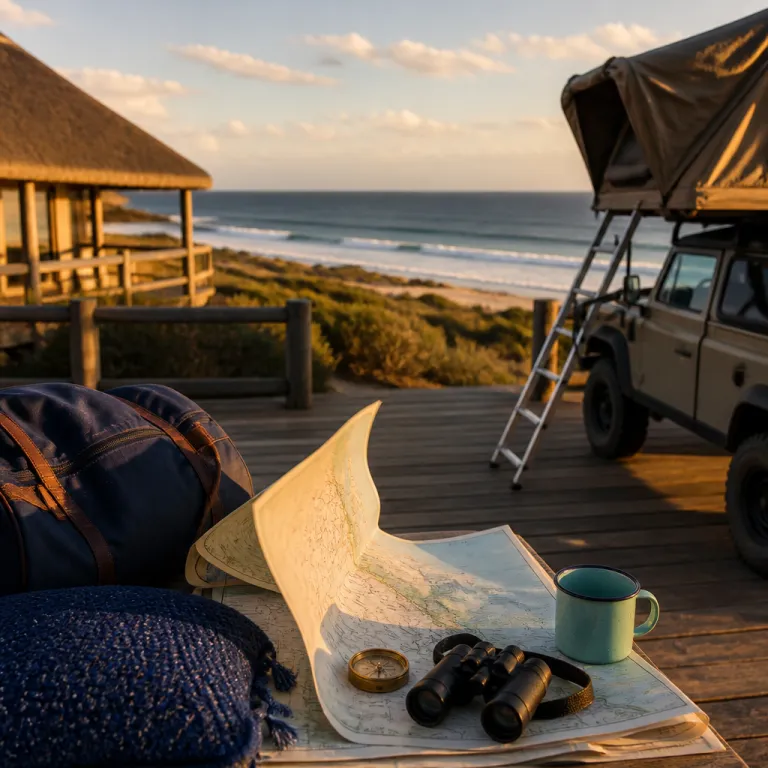
Garden Route safari lodges for South African travellers
Why a Garden Route safari lodge suits South African travellers
A Garden Route safari lodge offers a rare blend of coastal scenery and accessible wildlife for travellers based in South Africa. For many guests from Cape Town or Johannesburg, this route between Mossel Bay and Plettenberg Bay delivers a shorter drive, malaria-free reserves, and a smoother stay than remote bush destinations. You enjoy big-sky sunsets, intimate game drives, and refined luxury accommodation without long-haul flights or complex connections.
The Garden Route in the Western Cape is famous for its beaches and forests, yet a private game lodge here adds a different rhythm to your holiday. You can pair a relaxed family stay on the coast with a few nights in a private game reserve, moving easily between ocean views and wildlife-filled plains along the same scenic route. This combination suits a luxury family break where children want variety, while adults value a calm lodge atmosphere and polished, genuinely warm service.
South African travellers often know Kruger-style safaris well, so a Garden Route safari lodge must justify itself with distinct advantages. The malaria-free status of many private game reserves near Mossel Bay and Oudtshoorn reassures parents planning a first safari with younger children. Shorter transfers, flexible game drives, and the option to add wine country or Cape Town city stays before or after your safari lodge experience make this region particularly attractive for long weekends and school-holiday escapes.
Inside Garden Route Safari Camp: what sets this lodge apart
Garden Route Safari Camp lies on a privately managed game reserve near Mossel Bay in the Western Cape, and it is owner-managed with a strong focus on personalised hosting. Publicly available information indicates a small-scale lodge with a limited number of suites, which helps it retain an intimate feel because the team can space out game drives across the reserve. This balance allows you to enjoy a luxury stay with attentive service while still feeling that the wildlife and habitat have priority.
The camp offers luxury accommodation in suites designed for both couples and luxury family groups, with configurations that function like a family suite for parents and children. Each suite is positioned to maximise views over the surrounding garden-like fynbos and the distant ridge, and some units include a private plunge pool for quiet afternoons between activities. Morning and afternoon game drives in open vehicles are led by qualified guides who use binoculars and field guides to interpret every sighting, from eland and zebra to giraffe, lions, and prolific birdlife.
This Garden Route safari lodge operates in a malaria-free zone, which simplifies planning for families and older travellers who prefer to avoid prophylaxis. The owners indicate that they collaborate with local conservation initiatives and community groups, so that every game drive, bush walk, or bird-watching outing contributes to long-term wildlife protection. As one guide explains to guests on arrival, “We want you to leave feeling rested, but also knowing that your stay helped keep this landscape wild.” If you are comparing refined safari escapes near Cape Town, this camp’s combination of accessible location, authentic game viewing, and visible owner presence gives it a clear edge over larger, more anonymous lodges.
Designing a luxury family safari along the Garden Route
Planning a luxury family safari along the Garden Route starts with deciding how many nights you want to stay in a safari lodge versus on the coast. Many South African families choose two or three nights at a private game lodge, then continue along the route to Plettenberg Bay or Knysna for a further beach-focused stay. This pattern keeps children engaged, because they alternate structured game drives with free time on the beach, in town, or exploring forest trails.
When you evaluate lodges, look closely at how they handle children on safari and around the lodge facilities. Some Garden Route safari lodges accept children from five years upwards on standard game drives, while younger guests may require shorter, tailored drives or child-friendly bush activities near the main lodge. Clarify whether a true family suite is available, as interleading rooms or two-bedroom suites often work better for a luxury family than separate units scattered across the reserve.
Service structure matters as much as room type, especially in private game environments. Before booking an exclusive-use villa or a fully private game lodge, read guidance on how private safari villas are staffed so that you understand who manages your game drives, meals, and housekeeping. A well-briefed team, clear expectations about breakfast and dinner timings, and flexible activity planning will make your Garden Route safari lodge feel like a polished home rather than a formal hotel, particularly for multi-generational groups.
What to expect from wildlife, game drives, and daily rhythm
A typical day at a Garden Route safari lodge revolves around two main game drives, one at first light and another in the late afternoon. You wake early for coffee and a light snack before heading into the reserve, returning several hours later for a generous breakfast–lunch combination that often stretches into brunch. After a rest, perhaps a swim in your plunge pool or time on the deck, you depart again for an afternoon game drive that usually ends with sundowners on a scenic ridge.
On the Garden Route, game viewing focuses on a mix of plains wildlife and predators, supported by rich birdlife and varied vegetation. At Garden Route Safari Camp, for example, guests regularly encounter eland, zebra, giraffe, and lions, alongside many smaller species that reward patient observation during slower sections of a game drive. One recent family described their highlight as “watching giraffe step out of the fynbos at sunset while the kids whispered questions to the guide,” a moment that captures the region’s gentle, unhurried style of safari.
Because the area is malaria-free, you can relax into the rhythm of the day without worrying about strict medication schedules. Families often appreciate the flexibility to shorten an evening game drive if children tire, or to request a slower route that focuses on tracking, bird-watching, or photography instead of constant movement. Over several days, this pattern of drives, relaxed meals, and quiet time at the lodge creates a restorative stay that feels both indulgent and grounded in the realities of South Africa’s conservation landscape.
Pairing your safari lodge stay with coastal and city breaks
One of the strongest advantages of choosing a Garden Route safari lodge is how easily you can combine it with other South Africa highlights. From Cape Town, the drive to Mossel Bay in the Western Cape is roughly 400 kilometres, which typically takes around four to five hours in normal traffic, making it realistic to leave the city after breakfast and arrive at your game lodge in time for the afternoon game drive. This straightforward route-and-game combination appeals to travellers who want a single itinerary that includes city culture, wine, coast, and wildlife.
After your safari lodge stay, you can continue along the Garden Route towards George, Wilderness, Knysna, and Plettenberg Bay. Travellers who prefer quieter periods often plan off-peak stays in Plettenberg Bay, using resources such as a guide to Plettenberg Bay in the off season to time their trip. By structuring your journey this way, you move from the intensity of game drives and wildlife sightings to the slower pace of lagoon walks, forest hikes, and long lunches overlooking the Indian Ocean.
For many South African families, this layered itinerary offers better value than flying to distant reserves, because fuel and tolls often cost less than multiple domestic flights. You can allocate more of your budget to a higher-category suite, perhaps one with a private plunge pool or elevated sunset ridge views, rather than spending it on transport. The result is a more luxurious overall experience, with each section of the route reinforcing the others rather than competing for time and attention.
How to evaluate value, inclusions, and sustainability
When comparing Garden Route safari lodges on a booking website, look beyond headline rates and focus on what is genuinely included. A strong value proposition usually covers accommodation in a luxury suite, two daily game drives, and most meals, often structured as a combined breakfast–dinner arrangement with afternoon tea. Some lodges also include selected drinks and guided bush walks, while others charge separately for these extras, so read the fine print carefully.
Garden Route Safari Camp, for instance, positions itself as a luxury accommodation option that still feels grounded and personal, thanks to its owner-managed approach. Public descriptions note that the lodge supports conservation and community initiatives in the broader Garden Route area, aiming for each stay to contribute to wildlife protection and local livelihoods, not just private profit. Eco-conscious practices, such as careful water use and low-impact building on the ridge above the reserve, show that luxury and responsibility can coexist in South Africa’s tourism sector.
Guest feedback consistently highlights the importance of clear communication about wildlife expectations and safety, especially for families with children. The camp addresses this directly through its FAQ, which states: “What wildlife can be seen?” and answers: “Eland, zebra, giraffe, lions, and various bird species.” It continues with: “Is the lodge family-friendly?” and answers: “Yes, suitable for families with children over 5 years old.” and finally: “Are there malaria risks?” and answers: “No, the area is malaria-free.” When you see this level of transparency on a booking platform, combined with detailed descriptions of suites, game drives, and reserve policies, you can book your Garden Route safari lodge with greater confidence.
Key statistics for Garden Route safari lodge stays
- Garden Route Safari Camp operates on a privately owned game reserve near Mossel Bay in the Western Cape, providing enough space for varied game drives without overcrowding sightings.
- The reserve supports a broad mix of plains game, predators, and diverse birdlife, which together create a rich safari experience over multi-night stays.
- The lodge hosts a limited number of guests at any one time, a scale that allows for personalised hosting while maintaining sustainable usage of the reserve.
- Many Garden Route reserves, including the area around Garden Route Safari Camp, are regarded as malaria-free, reducing health-related barriers for families with young children and older travellers.
- Typical transfer time by road from Cape Town to Mossel Bay is about 400 kilometres, which usually translates to four to five hours of driving, making a long-weekend safari realistic for South Africa-based travellers.
FAQ: planning your Garden Route safari lodge experience
What makes a Garden Route safari lodge different from other South African safaris?
A Garden Route safari lodge combines wildlife viewing with easy access to coastal towns and wine regions, especially within the Western Cape. Distances from major hubs like Cape Town are shorter than many northern reserves, and several Garden Route game reserves are malaria-free, which simplifies planning. This makes the region ideal for shorter luxury family breaks or first-time safaris.
Is Garden Route Safari Camp suitable for families with children?
Garden Route Safari Camp is explicitly positioned as family-friendly, welcoming children from around five years old for standard activities. The lodge offers accommodation configurations that work as a family suite, and guides adapt game drives to suit younger attention spans. Parents should still discuss specific needs with the lodge in advance, especially regarding shared or private game drives.
How many nights should I stay at a Garden Route safari lodge?
For most South Africa-based travellers, two or three nights at a Garden Route safari lodge strikes a good balance between cost and depth of experience. This duration allows for four to six game drives, which usually delivers varied wildlife sightings and time to enjoy the lodge facilities. If you are pairing the safari with a longer Garden Route road trip, three nights often feels ideal.
Do Garden Route safari lodges offer fully private game experiences?
Several lodges along the Garden Route offer options for private game drives or exclusive-use accommodation, especially for multi-generational groups. Booking a private game vehicle usually carries an additional fee but guarantees flexible timings and tailored routes through the reserve. Travellers considering whole-villa bookings should review guidance on private safari villa staffing to understand how their stay will be managed.
What should I pack for a Garden Route safari in the Western Cape?
Pack light, neutral-coloured clothing suitable for layering, as mornings on game drives can be cool while midday temperatures rise. Include sunscreen, a hat, and insect repellent, even though many Garden Route reserves are malaria-free, and bring comfortable closed shoes for bush walks. A small daypack, binoculars, and a camera will help you make the most of each game drive and lodge activity.