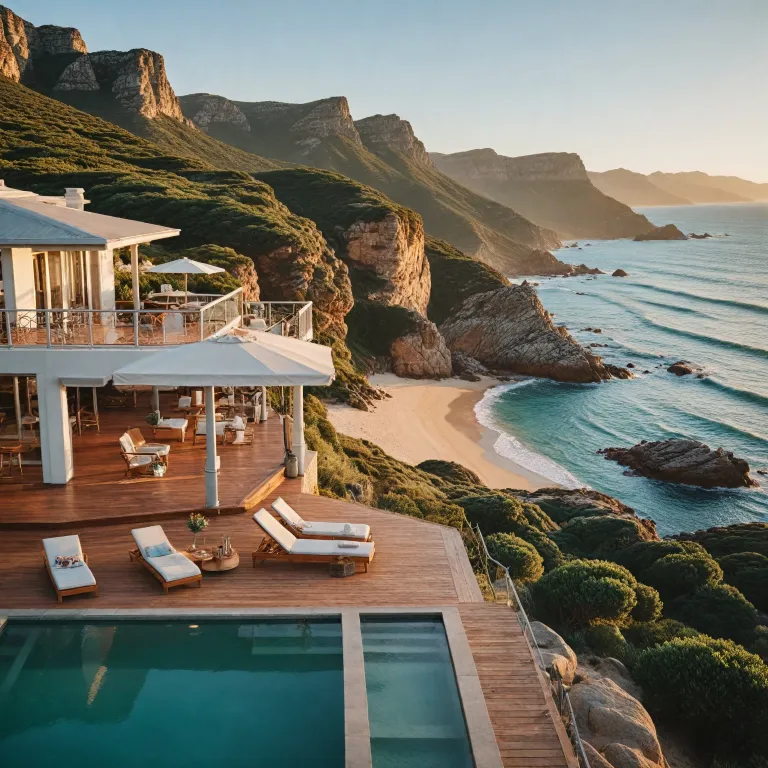
South African beaches and the rise of premium coastal stays
South African beaches shape how local travelers think about luxury stays. Along the south and western coast, premium properties now frame the sea as the central experience rather than a distant backdrop. For a traveler based in South Africa, the question is no longer whether to stay near the beach but how close to the sand and water you want to be.
With 253 beaches spread along south africa’s coastline, choice can feel overwhelming. The South African Tourism Board works with local partners to highlight the best beaches and the most refined places to stay near each bay and town. Their campaigns emphasise that “South Africa's coastline features numerous beaches renowned for their beauty, biodiversity, and recreational opportunities.”
For luxury and premium hotel booking, this means focusing on specific areas rather than the entire coast. In the western cape, cape town offers easy access to camps bay beach, boulder beach near Simon’s Town, and the dramatic curves of hout bay beach. Each bay beach has its own character, from white sand crescents to rugged stretches where the sea crashes against granite boulders.
Further along the south coast, the garden route and the wild coast present a different rhythm of travel. Here, nature reserve landscapes, national park access, and quieter beaches south of the main hubs appeal to travelers seeking privacy. Premium hotels increasingly integrate guided walks, marine experiences, and curated dining that foreground local produce and the surrounding waters.
For South Africans booking online, the challenge is filtering this abundance into a short list of the best beach and bay options. A thoughtful approach starts with your preferred coast, then narrows to specific beaches, and finally to the hotel style and level of service that match your expectations for a refined stay.
Choosing the right coastal region for your luxury hotel stay
When you plan a premium stay near south african beaches, start with geography. The western cape, eastern cape, and KwaZulu Natal each offer distinct coast and water conditions, which shape the type of hotel experience you will enjoy. Your choice of area will influence everything from sea temperature to the style of nearby town and available activities.
In the western cape, cape town remains the most polished base for high end coastal stays. Camps bay offers a glamorous bay beach framed by the Twelve Apostles, while nearby beach cape stretches combine white sand with dramatic mountain views. Boulder beach near Simon’s Town adds penguins and calmer waters, ideal for travelers who prefer gentle sea conditions and shorter swims.
Move east along the south coast and the character shifts. The garden route introduces quieter beaches south of the main city hubs, with jeffrey bay famous for surf culture and long arcs of sand. Here, premium hotels often sit between forest and sea, giving direct access to both the beach and nearby nature reserve landscapes.
The eastern cape coastline, including areas near port Elizabeth and port johns, blends family friendly beaches with wilder stretches. When you compare places to stay, look for properties that offer easy access to both a safe bay and a nearby national park or marine reserve. For a detailed look at refined coastal accommodation in this region, you can explore a premium Port Elizabeth hotel review that focuses on service, comfort, and proximity to the sea.
Whichever region you choose, read the hotel’s description of its relationship to the beach carefully. Check walking distances to the sand, typical sea and weather conditions, and whether the property offers direct beach access or relies on short transfers. These details will define how seamlessly your coastal environment integrates into each day of your stay.
Evaluating luxury hotels along south african beaches like a local expert
For a traveler based in South Africa, evaluating a luxury hotel near the coast requires more than admiring photos of white sand and blue waters. You already understand the nuances of south africa’s climate, the difference between the Atlantic and Indian sea, and the seasonal rhythms of each bay. Use that local insight to interrogate how each hotel positions itself in relation to the surrounding beaches south of major cities.
Start with location and orientation to the water. A hotel directly on a bay beach in cape town, such as those overlooking camps bay or the curve of hout bay, will offer immediate access to the sand but may also face busier promenades. Properties slightly elevated above the coast can provide quieter stays and sweeping sea views, especially along the western cape cliffs and headlands.
Next, assess how the hotel integrates the beach and sea into its services. Premium properties near the garden route or eastern cape often include guided walks along the coast, curated picnics on beautiful stretches of sand, and partnerships with marine operators. When you read hotel descriptions, look for references to nearby national park or nature reserve areas, as these signal a deeper connection to the environment rather than a simple beach frontage.
Service and wellness offerings also matter for discerning guests. Many of the best hotels now combine spa facilities, heated pools for cooler western cape waters, and tailored dining that reflects local coastal produce. For insight into how urban luxury can still connect meaningfully with the wider south african beaches narrative, consider this detailed guide to top rated luxury hotels in Johannesburg, which shows how service standards inland can match or exceed those at the coast.
Finally, use your local knowledge of seasons and sea conditions when comparing places to stay. Check whether the hotel provides clear guidance on water safety, collaborates with the National Sea Rescue Institute, or highlights Blue Flag beaches nearby. These signals reinforce that the property understands both the beauty and the power of the surrounding waters.
Safety, sustainability, and the role of trusted coastal institutions
Luxury travel along south african beaches increasingly depends on visible commitments to safety and sustainability. As a South African traveler, you are likely aware that the same sea and sand that attract visitors can also pose risks if not properly managed. Responsible hotels now work closely with coastal institutions to ensure that the beach experience remains both beautiful and secure.
The National Sea Rescue Institute plays a central role along the coast, supporting safe enjoyment of the water. Their presence near popular bay and beach cape areas, including parts of the western cape and eastern cape, reassures guests who want to swim, surf, or launch small craft. When you read hotel information, look for references to NSRI stations, lifeguard services, and clear guidance on local sea conditions.
Environmental standards matter just as much as safety. Blue Flag South Africa awards its label to beaches that meet strict criteria for water quality, environmental management, and visitor services. Many of the best beaches in south africa, from camps bay to selected stretches along the garden route, hold this status, which signals that both the sand and surrounding waters are carefully monitored.
Premium hotels near these certified beaches often extend the same ethos into their operations. They may support nearby nature reserve or national park projects, reduce single use plastics, and design landscaping that respects the coastal area. For travelers who value sustainability, these details elevate a stay from pleasant to genuinely responsible.
As you compare places to stay along the wild coast, in cape town, or near jeffrey bay, consider how each property talks about conservation. References to dune rehabilitation, marine life protection, and partnerships with environmental NGOs indicate a long term commitment to preserving south african beaches for future generations of local and international guests.
Matching coastal experiences to your travel style and expectations
Not every traveler seeks the same relationship with south african beaches, and premium hotel booking platforms increasingly reflect this diversity. Some guests want to step directly from the hotel terrace onto white sand, while others prefer elevated views of the sea and quieter access to the coast. Clarifying your travel style before you book will help you identify the best beach and bay combinations for your stay.
If you enjoy vibrant promenades and people watching, cape town’s camps bay and nearby beach cape stretches offer a lively atmosphere. Hotels here place you close to restaurants, bars, and sunset gatherings, with the sea and sand forming a glamorous backdrop. In contrast, hout bay and certain western cape coves provide a more village like feel, where fishing boats share the waters with kayakers and local families.
Travelers seeking a slower pace often gravitate toward the garden route and eastern cape. In these areas, jeffrey bay, port johns, and smaller beaches south of major towns offer a gentler rhythm, with national park and nature reserve excursions balancing time on the sand. Premium hotels may organise guided hikes, whale watching in season, or quiet picnics on a secluded bay beach.
For those who prioritise wellness and spa experiences alongside the sea, it is worth consulting specialised guides to coastal and inland retreats. A detailed overview of South Africa’s finest luxury hotels with spa can help you align your preferred level of pampering with proximity to the coast. This approach ensures that your chosen hotel complements, rather than competes with, the natural beauty of south african beaches.
Whatever your style, always read guest reviews with an eye for specifics about the beach experience. Look for comments on walking distances to the sand, typical sea temperatures, and how the hotel manages windy days or strong surf. These details will shape your daily rhythm far more than any single marketing image.
Practical booking strategies for South Africans seeking premium coastal stays
For South Africans booking luxury hotels near south african beaches, practical strategy matters as much as inspiration. Because you understand local school holidays, long weekends, and regional weather patterns, you can time your stay to enjoy the best beaches with fewer crowds. Start by mapping your preferred coast, then align dates with typical sea and climate conditions for that area.
On the western cape coast, including cape town, camps bay, boulder beach, and hout bay, summer brings warm sand but cooler Atlantic waters. If you prefer milder temperatures and quieter bay beach scenes, shoulder seasons can offer excellent value at many of the best hotels. Along the garden route and eastern cape, including jeffrey bay and areas near port johns, the Indian Ocean generally provides warmer waters for swimming.
When comparing places to stay, use filters that go beyond generic star ratings. Prioritise distance to the beach, verified sea views, and proximity to a national park or nature reserve if you value outdoor activities. Many premium properties highlight their access to beaches south of the main town centre, which can mean quieter sand and more beautiful, uncrowded stretches of coast.
Safety should remain a core consideration, even for experienced local travelers. Check whether nearby beaches hold Blue Flag status, and whether the hotel provides up to date information on tides, currents, and marine life. Remember the guidance that “Many South African beaches are safe for swimming, but it's important to heed local safety advisories and be aware of potential hazards like strong currents and marine life.”
Finally, read cancellation policies and seasonal offers carefully, especially if you plan to visit during peak periods along the wild coast or in cape town. Flexible terms allow you to adjust your stay if weather or sea conditions shift, ensuring that your time on south african beaches remains as rewarding and relaxing as the hotel itself.
Key statistics on south african beaches and coastal tourism
- South Africa offers approximately 253 distinct beaches along its coastline, giving local travelers a wide range of coastal environments and hotel locations.
- Around 27 beaches currently hold Blue Flag status, indicating high standards for water quality, safety, and environmental management near many premium places to stay.
- South African beaches attract an estimated one million visitors annually, underlining their importance to both domestic tourism and the wider hospitality economy.
Essential questions about south african beaches for local travelers
Which is the most popular beach in South Africa ?
Clifton Beach is considered the most popular beach in South Africa. For South Africans comparing it with other south african beaches, Clifton offers a sheltered bay with relatively calm waters and dramatic views. However, premium hotel options sit slightly away from the sand, so you may pair a stay in nearby areas of cape town with day visits to this iconic stretch of coast.
Are South African beaches safe for swimming ?
Many South African beaches are safe for swimming, but it's important to heed local safety advisories and be aware of potential hazards like strong currents and marine life. As a local traveler, you can use your knowledge of regional conditions and look for lifeguard presence, NSRI support, and Blue Flag status when choosing where to swim. Hotels that actively share safety updates and guidance usually demonstrate a stronger commitment to guest wellbeing along the sea.
When is the best time to visit South African beaches ?
The best time to visit is during the summer months from December to February, though specific activities like whale watching are best from June to December. For South Africans seeking quieter stays and more space on the sand, shoulder seasons around these peak periods can be particularly rewarding. Align your chosen coast and hotel with the experiences you value most, whether warm waters, marine life viewing, or calmer bay conditions.