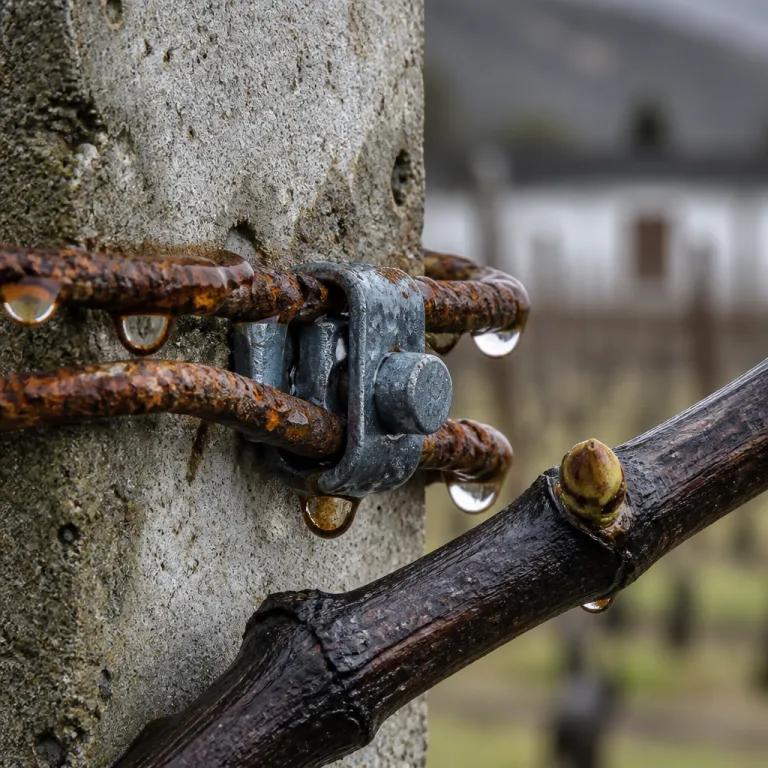
Why Cape winelands winter hotels quietly outshine summer stays
When the Cape winelands slip into late winter, the tempo changes. Average daytime temperatures hover between 5 and 15 °C, with more dry cold spells than stormy weeks, so a night stay feels crisp outside yet deeply warm indoors. Yes, winter is a good time to visit the Cape Winelands because, as Wesgro, the Western Cape’s official tourism agency, notes in its seasonal travel briefings, “Winter in the Cape Winelands offers unique experiences and fewer crowds.”
For a South African traveller used to busy harvest weekends, this season in wine country feels almost private. Cellars in Stellenbosch, Franschhoek and Robertson have finished the hard work of picking, and now the focus shifts to blending decisions, barrel tastings and unhurried conversations that shape the wine for years. Many Cape winelands hotels lean into this quiet, with fireplaces lit all day, spa teams on standby and chefs designing menus that make the most of slow braises and robust winter wines.
Think of it as the hospitality equivalent of a reserve release wine. The same estates, the same valleys and the same rooms are on offer, yet the attention you receive as a guest is more concentrated and the winter special rates start noticeably lower than peak season tariffs. According to recent winter campaign material from several Stellenbosch and Franschhoek properties, entry-level packages in July and August often start 20–35% below February rates. Many hotels across the region structure two or three night offers, with daily breakfast included and a complimentary wine tasting or spa credit folded into the stay. For a discerning local, this is when to book a country house suite or a vineyard view room in Stellenbosch that might feel extravagant in February.
Cellars in late winter: tasting with the people who make the wine
By late July and early August, the Cape winelands cellars are no longer in harvest overdrive. Tanks are full, ferments are mostly complete and the winemaker’s work shifts to quiet, detailed tasting sessions that determine which parcels will shine in the final wine. This is the moment when a guest in Cape winelands winter hotels can move from standard wine tasting counters to more intimate barrel rooms.
In Stellenbosch, a hotel linked to a serious wine estate often arranges blending themed tastings with the cellar team. At Spier Hotel near Cape Town, for example, winter wine tasting experiences may include side by side comparisons of different blocks, which makes a night stay feel like a short course in Cape terroir. Spier’s seasonal programme has in recent years included a “Winter Tasting Trio” with three themed flights and a cellar tour available on selected Fridays and Saturdays from late June to the end of August. Over in Robertson, a stay at a local wine farm hotel can be paired with visits to family run estates where the person pouring your tasting flight was pruning those same vines a few months earlier.
Because winter is off peak, Cape Winelands wineries and local tourism boards coordinate more indoor activities and discounted packages. You will see offers that combine two or three nights in hotels across the Cape with structured tastings, art workshops and cellar tours led by the actual winemakers. One Franschhoek guest described a late August visit as “three days of feeling like part of the team rather than just another visitor”, after being invited to taste a young Syrah straight from barrel. As one cellar master in the valley puts it, “In winter we finally have time to talk guests through the wines properly, not just pour and rush.” For travellers who care as much about the story behind the wine as the label, this is the season when a stay three nights in a country house on a working wine farm feels like joining the inner circle, not just passing through. For more on how the cellar and kitchen collaborate at this time of year, explore this guide to winelands hotels where the cellar and the kitchen speak as one.
Where to stay: five Cape winelands winter hotels that reward lingering
Choosing where to stay in winter is less about pool decks and more about how a property handles long, firelit nights. In Franschhoek, Mont Rochelle and La Residence both offer expansive valley views, generous rooms and a strong focus on wine, yet their winter personalities differ. Mont Rochelle feels like a relaxed country house on the slopes above the village, while La Residence leans into opulent interiors and long, indulgent dinners that make a three nights stay feel like a full reset.
On the Helshoogte Pass between Stellenbosch and Franschhoek, Delaire Graff Estate is one of the most compelling Cape winelands winter hotels because its lower winter rate quietly unlocks suites that are usually reserved for once in a lifetime celebrations. Here, a guest can book a night stay that includes a private terrace looking over the valley, a deep bath for thawing out after a cold day and access to a serious destination spa. In recent seasons, Delaire Graff’s “Winter Escape” has typically run from May to September, with inclusions such as breakfast, a two course lunch or dinner and a guided tasting at the estate’s tasting lounge. The on site wine estate offers structured tasting flights, and in winter the staff have time to talk you through each wine in detail.
Further towards Cape Town, Spier Hotel combines family friendly rooms with a strong sustainability ethos and easy access to the farm’s wine estates and art installations. In the Drakenstein valley, The Manor House at Boschendal functions as a refined country house, ideal for a group who want to stay three nights and treat it as their own private wing of the estate. A Boschendal manager notes that winter guests “tend to stay longer and use the house as a base for slow breakfasts, farm walks and late dinners by the fire.” For travellers seeking smaller scale charm, this curated selection of intimate winelands stays where the cellar owner is also your host highlights properties where the line between wine farm and home blurs in the best possible way.
Fireplaces, food and when winter wines beat summer ones
Late winter in the Cape winelands is when the kitchens take centre stage. With fewer weddings and outdoor events, chefs can focus on slow cooked dishes that pair with structured reds and textured whites rather than chilled poolside rosé. At La Colombe at Silvermist above Cape Town, the multi course menus lean into rich sauces and roasted flavours that make a night stay in the city before or after the winelands feel like part of the same culinary journey.
In Franschhoek, Foliage and the Restaurant at La Petite Ferme both show how winter wines can outperform their summer counterparts at the table. A wooded Chardonnay from a nearby wine estate suddenly feels more precise with a plate of roasted root vegetables, and a Syrah from the valley gains new depth next to slow braised lamb. Many Cape winelands winter hotels build packages that include daily breakfast plus one or two set dinners, so you can book a stay three nights and let the kitchen decide how best to showcase the cellar.
For a domestic traveller, this is also the season to look closely at offers that combine spa access with food and wine. A Stellenbosch wine estate hotel might structure a winter special where rates start with a generous room, a one hour spa treatment and a guided wine tasting included. In Robertson, a countryside hotel stay could include a fireside dinner at a neighbouring wine farm, turning cold nights into the highlight rather than the drawback. If you are planning a broader romantic escape that links the winelands with the bush, this guide to a honeymoon style safari and winelands combination offers useful pairing ideas.
How to book smart: winter specials, valid dates and room choices
Because winter is officially off peak in the Cape winelands, the smartest move is to treat your booking process like a tasting flight. Start by shortlisting three or four hotels Cape wide that match your style, whether that is a grand country house, a vineyard linked spa hotel or a more understated farm stay. Then compare how their winter special packages are structured, paying attention to which nights of the week are included and whether the offer is valid August only or stretches across the broader season.
Many Cape winelands winter hotels quietly publish rates that start significantly below their summer levels, especially for stays of two or three nights. Look for wording that includes daily breakfast, a complimentary wine tasting, perhaps a spa credit and sometimes a late checkout, which can turn a simple night stay into a full 24 hour escape. If you are travelling from Cape Town, consider pairing one city night with two nights in Stellenbosch or Franschhoek, so you can enjoy both urban and country experiences without long drives.
Room selection matters more in winter than in summer. Ask specifically about fireplaces, underfloor heating and how many rooms in each category face the prevailing weather, because a sheltered terrace can make a cold afternoon surprisingly comfortable. When you book, mention that you are interested in cellar activities, as many wine estates will prioritise guests for blending sessions or private tastings. With a little planning, your stay in the Cape winelands becomes less about chasing sunshine and more about leaning into the season that the region keeps, quietly, for itself.
FAQ
Is winter a good time to visit the Cape winelands ?
Yes, winter is an excellent time to visit the Cape winelands if you value space, attention and depth of experience. The region is quieter, average temperatures sit between 5 and 15 °C and many Cape winelands winter hotels offer lower rates with added extras. You trade pool days for fireplaces, cellar time and more meaningful wine conversations.
What activities are available in the Cape winelands during winter ?
Winter in the Cape winelands is built around indoor experiences that suit the season. You can expect focused wine tasting sessions, art workshops, cooking classes, spa treatments and long lunches or dinners that highlight robust winter wines. Outdoor walks through vineyards and valleys are still possible on dry cold days, especially around Stellenbosch, Franschhoek and Robertson.
How should I pack for a late winter stay in the Cape winelands ?
Pack warm layers, a good coat and shoes that can handle damp vineyard paths. Late winter often brings dry cold spells, but rain is still possible, so a compact umbrella or waterproof jacket is useful. Many hotels provide blankets and fireplaces, yet having your own comfortable layers makes evenings in tasting rooms and restaurants more relaxed.
Do Cape winelands hotels offer specific winter specials for South African travellers ?
Many Cape winelands winter hotels design winter special packages with domestic guests in mind. These often include reduced rates, daily breakfast, a complimentary wine tasting and sometimes spa credits or late checkouts. Always check whether the offer is valid August only or across the broader winter period, and compare what is included rather than just the headline price.
Which winelands areas work best for a short winter break from Cape Town ?
For a quick escape from Cape Town, Stellenbosch and Franschhoek are the most convenient, with a wide range of hotels, wine estates and restaurants within an hour’s drive. Robertson and the broader Breede River valley suit travellers who want a quieter, more rural feel and are happy to drive a little further. In all these areas, winter brings fewer crowds and more attentive service, making even a single night stay feel longer.