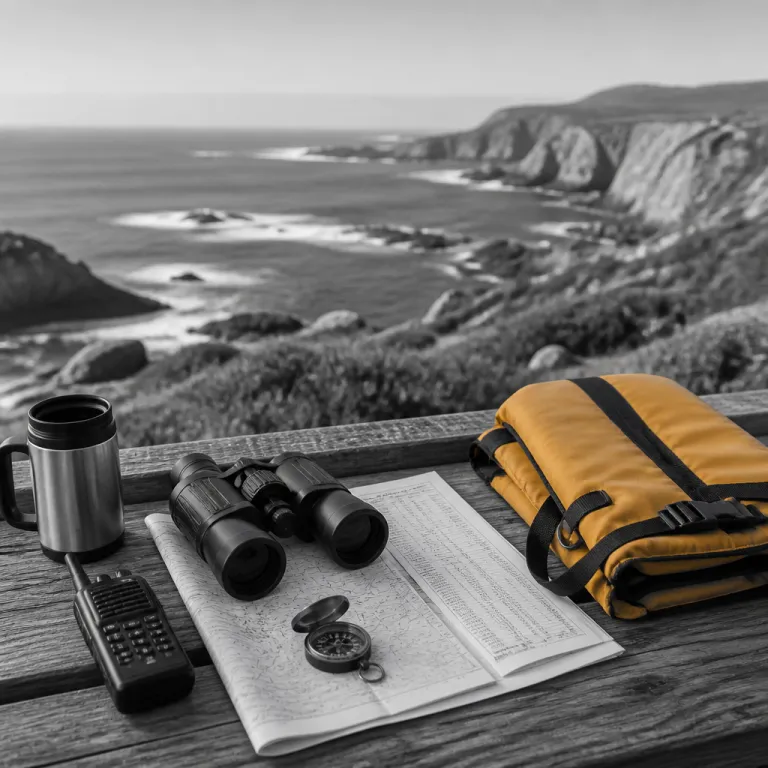
The Whale Coast geography: where the road runs past Hermanus
Leave the last traffic light in Hermanus south and the R43 begins to relax. The road traces the Whale Coast with fynbos on one side and the sea pressing close on the other, and this is where high-end coastal stays start to feel more private and less performed. You are still in the Western Cape, but the mood shifts from resort town to coastal village within a few kilometres.
The Overstrand municipality stretches from Pringle Bay in the west to Gansbaai in the east, and every curve of this coast offers a different way to stay. Hermanus remains the headline for any hotel with a sea facing pool and easy parking, yet the cliff path and the whales ignore municipal boundaries and keep going past De Kelders, Stanford and Pearly Beach. For a traveller based in South Africa, that geography matters because the same whale watching, the same sea views and the same mountain views can be booked at quieter hotels and guest houses with softer prices.
Think of the region as a necklace of small settlements rather than a single resort, and plan your booking accordingly. Pringle Bay and Betty’s Bay suit those who want a beach house or an apartment that sleeps four with a simple bedroom and a braai terrace, while De Kelders and Gansbaai lean into marine drama with whales and sharks offshore. Inland, Stanford edges towards river and lagoon, where a luxury lodge or a three bedroom house with long views can feel more like a country retreat than a standard sea facing hotel.
Why stay beyond Hermanus: quieter villages, same whales
Hermanus has earned its reputation for whale watching, but it also attracts tour buses, day trippers and fully booked hotels during peak months. Drive fifteen to twenty minutes further along the Whale Coast and De Kelders offers the same Walker Bay whale spectacle from low cliffs, with far fewer people and a more relaxed choice of guest house or luxury lodge. For many South African travellers, this is where upmarket Whale Coast accommodation starts to feel like a private ritual rather than a shared event.
De Kelders sits directly opposite the deep channel where southern right whales cruise close to shore, and the numbers are not abstract. According to the Walker Bay Whale Sanctuary Marine Protected Area management plan and long-running aerial surveys, hundreds of Southern Right Whales use this bay in season, which means that a simple bedroom apartment with a balcony can deliver the same sea show as a five star hotel in central Hermanus. In Gansbaai, a fishing town further along the coast, the harbour becomes the launch point not only for whale watching boats but also for shark viewing trips, with regular Great White Shark and Bronze Whaler sightings recorded by specialist research teams such as the Dyer Island Conservation Trust.
Stanford, slightly inland along the Klein River, trades direct beach access for lagoon stillness and birdlife, and this is where a three bedroom house or a luxury lodge suite with mountain views can outperform a compact hotel room in Hermanus south. If you are already considering a refined coastal and inland combination, it pairs naturally with a forested detour along the Garden Route’s interior, where a stay in the mountain interior can turn a coast holiday into a forest one, as explored in this guide to the Garden Route’s mountain interior. The key is to treat Hermanus hotels as one option among many on the Whale Coast, not the automatic default.
Where to stay: Grootbos, De Kelders cliffs and Stanford’s lagoon
For travellers who want Whale Coast luxury accommodation with a strong sense of place, Grootbos Private Nature Reserve near Gansbaai is the benchmark. This luxury lodge sits above Walker Bay with suites that frame both the sea and the fynbos, and the rooms feel more like contemporary houses than standard hotel units, with generous bedrooms, private decks and a calm, residential layout. Here the hotel pool is not just an amenity but a viewing platform, with whales offshore in season and mountain views behind.
Grootbos has also become a reference point for conservation. Through the non-profit Grootbos Foundation, the reserve supports fynbos research, alien plant clearing and community projects, and its conservation model has been profiled in publications such as the Journal of Environmental Planning and Management and South African tourism case studies. For guests, that translates into guided botanical walks, citizen science style monitoring and the sense that a high-end stay is funding long-term habitat protection rather than just game drives.
In De Kelders, Cliff Lodge places you almost on the edge of the continent, with glass, stone and timber opening directly to the sea. A one bedroom apartment style suite that sleeps two or three can feel as indulgent as a larger three bedroom house when the whales are breaching below your terrace, and the prices often undercut a comparable sea facing hotel in Hermanus. Schulphoek House, closer to Hermanus south but still outside the main town, offers a refined guest house atmosphere with attentive yet friendly service, a compact pool and easy parking, which suits travellers who want hotel polish without the bustle.
Stanford’s Mosaic Lagoon Lodge and its sister property The Aviary at Mosaic shift the focus from open sea to lagoon and fynbos, with tented suites and villas that blur the line between house and hotel. Here, a three bedroom villa with a private pool and full kitchen sleeps families or small groups who want to self cater, while the lodge itself operates more like a fully serviced luxury hotel with inclusive dining and guided activities. The slower rhythm of these stays reflects a broader shift along the South African coast, where the next wave of coastal stays has stopped rushing you, a trend unpacked in this analysis of slow luxury on South Africa’s shores.
Shark cage diving, fynbos and the ethics of marine thrills
Gansbaai built its global reputation on shark cage diving, and that legacy still shapes how many travellers think about the town. The question now is not whether shark cage diving is thrilling, but how responsibly it is handled and how it fits into a broader Whale Coast luxury accommodation itinerary. Local operators have shifted towards stricter codes of conduct, and the best hotels and guest houses in the area work only with certified partners.
For visitors who are weighing up questions about whale watching and shark encounters, the most frequently asked concerns are safety, environmental impact and whether these activities disturb the animals. The official guidance from South Africa’s Department of Forestry, Fisheries and the Environment and the Marine Living Resources Act permit system remains clear on two core points : "When is the best time for whale watching?" and "Is shark cage diving safe?" sit alongside "Are there accommodations in De Kelders?" in many lists of frequently asked queries, and the concise answers — "June to November.", "Yes, with certified operators." and "Yes, various guesthouses and lodges." — still hold true. When you book a hotel, guest house or luxury lodge in Gansbaai or De Kelders, it is worth asking directly how they select their marine partners and whether they cap group sizes on boats.
The other layer that sets this coast apart is the fynbos, the dense, species rich shrubland that carpets the slopes above the sea. Grootbos has become a reference point here, with a dedicated plant conservation programme that turns a stay in a luxury lodge into an immersion in botany, not just a series of game drives or boat trips. If you are planning a broader South African journey that combines coast, fynbos and wildlife, it can be paired elegantly with refined safari escapes near Cape Town, as outlined in this guide to refined safari escapes near Cape Town.
How to choose: hotel in Hermanus or village stay along the Whale Coast
When you compare a central Hermanus hotel with a village stay in De Kelders, Gansbaai or Stanford, you are really choosing between convenience and character. Hermanus hotels offer easy access to restaurants, paved cliff paths, structured parking and a wide range of rooms, from compact doubles to larger suites with a hotel pool and partial sea views. For some South African travellers, especially on short breaks, that concentration of services justifies higher prices and a slightly busier atmosphere.
Village stays along the Whale Coast, by contrast, tend to feel more residential and more flexible. You might book a one bedroom apartment that sleeps two with a small kitchen and free on site parking, or a three bedroom house with a private pool and direct beach access, and the nightly prices can be surprisingly gentle compared with a similar category hotel in Hermanus south. Guest houses in De Kelders and Gansbaai often include cooked breakfasts, friendly local hosts and informal advice on everything from the best sea facing walking paths to which operators handle both whale watching and shark viewing most responsibly.
For many readers, the most useful way to frame the decision is to start with your primary purpose. If you want to walk out of your hotel and into a choice of restaurants within five minutes, Hermanus remains the logical base, and you can still drive to Gansbaai or De Kelders for a day of marine activity. If your priority is quiet mornings, long views and the feeling of staying in a house rather than a corridor of rooms, then a village stay along the Western Cape Whale Coast will often outperform a town hotel for the same trip, especially when you factor in the extra space, the calmer beaches and the sense that the whales are performing just for you.
Frequently asked questions about the Whale Coast beyond Hermanus
When is the best time to see whales along the Whale Coast ?
The prime whale watching season in Walker Bay runs from June to November, when southern right whales migrate close to shore to calve and mate. This timing is reflected in long-term monitoring by South African marine scientists, who record peak sightings in mid winter and early spring. During these months, you can often see whales directly from cliff paths in Hermanus, De Kelders and Gansbaai without getting on a boat. Outside this window, sightings are possible but far less predictable, so plan your booking around these dates if whales are a priority.
Is shark cage diving in Gansbaai still worth including in a luxury trip ?
Shark cage diving from Gansbaai remains one of the most dramatic marine experiences in South Africa, but it should be booked with certified operators who follow strict environmental guidelines. Companies permitted by the national authorities must comply with regulations on baiting, approach distances and time spent with animals, and many higher end hotels, guest houses and luxury lodges in the area now work only with vetted partners and can arrange transfers, early breakfasts and warm gear. If you prefer to avoid cages, consider surface based shark viewing trips, which still offer close encounters without entering the water.
How do prices compare between Hermanus hotels and village stays ?
In general, central Hermanus hotels command higher nightly prices than comparable guest houses, apartments or houses in De Kelders, Gansbaai or Stanford, especially during peak whale season. As a broad guide, mid range hotel rooms in Hermanus often start higher than similarly comfortable self catering units in nearby villages, while top tier lodges and villas on the Whale Coast can reach premium rates that reflect exclusivity and inclusive activities. Village stays often provide more space, such as a one bedroom apartment or a three bedroom house with a pool, for the same or lower rate than a standard hotel room in town. That said, top tier luxury lodges like Grootbos operate in their own bracket, reflecting their inclusive rates, conservation work and remote settings.
Do I need a car to stay in De Kelders, Gansbaai or Stanford ?
A car is strongly recommended if you plan to base yourself in the smaller villages along the Whale Coast, because public transport is limited and taxis are not always readily available. Driving times are manageable: Hermanus to De Kelders takes around twenty minutes, Hermanus to Gansbaai about thirty minutes, and Hermanus to Stanford roughly twenty minutes, depending on traffic and stops. Having your own vehicle makes it easier to reach trailheads, beaches, restaurants and departure points for whale watching or shark viewing trips. It also allows you to combine coastal stays with inland excursions into the fynbos covered mountains or nearby wine regions.
Are there family friendly options along the Whale Coast beyond Hermanus ?
Families will find a wide range of friendly options, from self catering apartments that sleep four or more to three bedroom houses with enclosed gardens and pools. Many guest houses and lodges in De Kelders, Gansbaai and Stanford welcome children, though some luxury lodges maintain age limits for certain suites or activities. When you book, check details such as bedroom configurations, access to the beach and whether the property offers cots, high chairs or child focused activities. It is also worth asking about safety measures such as pool fencing, secure parking and recommendations for shorter, family suitable whale watching or lagoon cruises.